Your storefront talks to thousands of people every single day – and it does not need a microphone to do it. A grimy facade, blackened sidewalks, and windows coated in a fine layer of diesel soot send one loud message: “Keep walking.” In a city where 95% of consumers say exterior appearance directly influences where they shop, that silent broadcast could be costing you real money.
New York City is home to some of the most competitive retail corridors on the planet. If you run a business here, you already know the rules – every advantage matters. Storefront pressure washing is one of the most cost-effective ways to protect your investment, attract foot traffic, and keep regulators from knocking on your door. But this is not Omaha. The five boroughs throw unique challenges at building exteriors that generic cleaning advice simply cannot address.
Let us break down everything you need to know – from the technical details to the legal fine print – so your storefront stays sharp, compliant, and welcoming.
Why a Dirty Storefront Is Your Most Expensive Problem
Think customers do not judge a book by its cover? The data says otherwise. A Morpace Omnibus survey of 1,000 consumers found that 52% have avoided a business entirely because it looked dirty from the outside. Two-thirds decided not to enter a store based solely on its appearance from the street. And nearly 40% will not walk through your door if the exterior does not match the kind of place where they normally shop.
Here is the kicker: Monash University research found that retail sales to new customers increased by almost 50% after stores updated their exterior appearance. Professional storefront pressure washing does not just remove grime – it functions as a silent marketing campaign that works 24 hours a day, seven days a week.
In a market where commercial rents along corridors like Fifth Avenue or Broadway in SoHo can exceed $300 per square foot annually, leaving money on the table because your facade looks neglected is not just wasteful. It is painful.
New York City Streets Where Storefronts Never Sleep
Not every block faces the same pressure washing challenges. Here are some of the streets with the highest concentration of retail storefronts in New York City:
- Fifth Avenue (Midtown Manhattan)
- Broadway (SoHo and Flatiron)
- Madison Avenue (Upper East Side)
- 34th Street (Herald Square corridor)
- Fulton Street (Downtown Brooklyn)
- Jamaica Avenue (Queens)
- Fordham Road (The Bronx)
- Atlantic Avenue (Brooklyn)
- Steinway Street (Astoria)
- Hylan Boulevard (Staten Island)
These high-traffic corridors deal with extreme levels of foot traffic, exhaust fumes, and urban grime. Businesses on these streets often schedule storefront pressure cleaning monthly or quarterly just to keep up with the constant accumulation of pollutants.
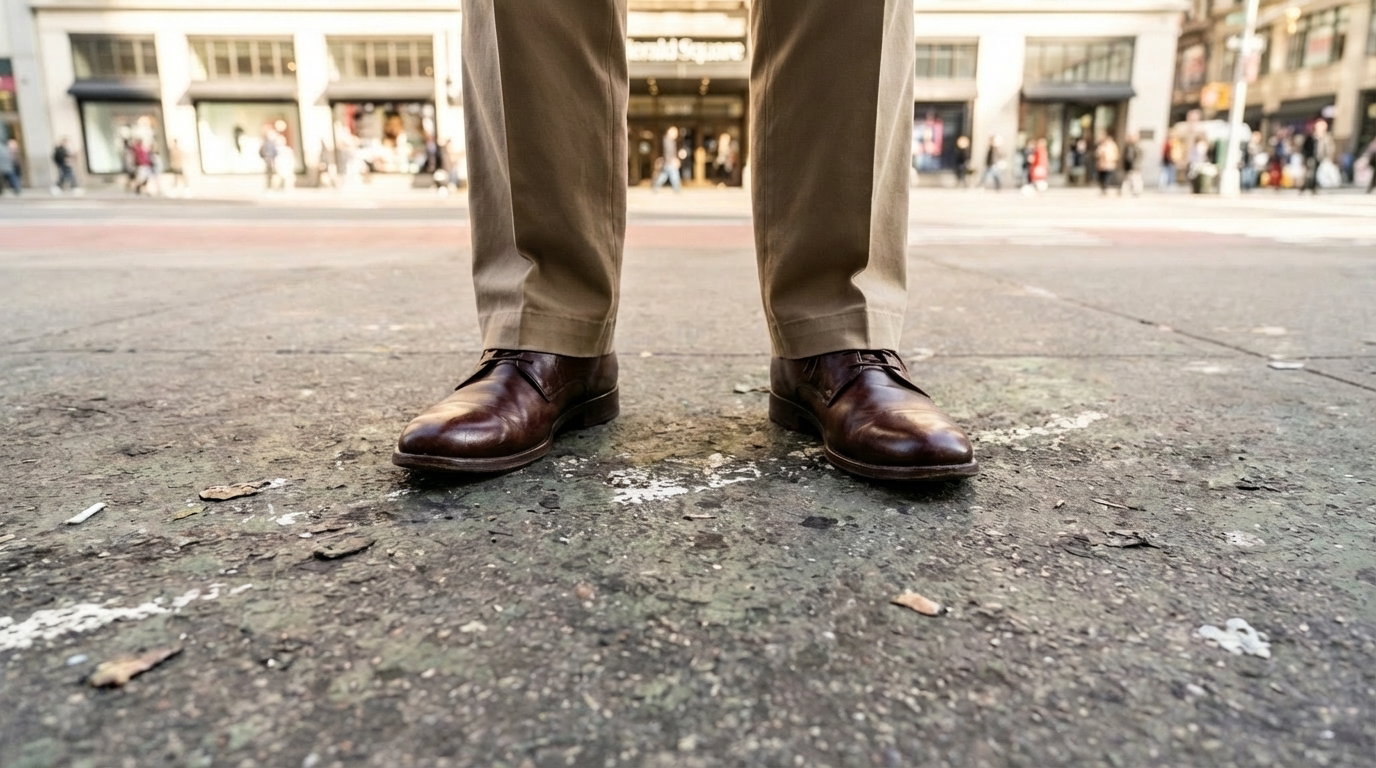
What Makes New York City Storefronts Different
A storefront in Williamsburg does not look like a storefront in Scottsdale, and it should not be cleaned like one either. New York City commercial facades come in a staggering variety of materials, each requiring a different approach:
- Aluminum-framed glass storefronts – the most common modern type across all five boroughs
- Frameless glass systems – popular in luxury retail and high-end restaurants
- Pre-war brownstone and limestone facades with ground-floor commercial spaces
- Historic cast-iron facades in neighborhoods like SoHo and Tribeca
- Brick, both load-bearing in pre-war buildings and cavity-wall in postwar construction
- Terracotta cladding, stucco, painted surfaces, and EIFS panels
Each of these materials responds differently to water pressure and cleaning chemicals. A storefront pressure washing approach that works perfectly on concrete sidewalks could destroy century-old mortar joints or leave permanent streaks on anodized aluminum.
Then there are the contaminants. New York City storefronts battle a cocktail of pollutants that suburban businesses never encounter. Diesel exhaust from delivery trucks. Fine particulate matter drifting up from subway grates. Construction dust from the perpetual building boom. Pigeon waste concentrated by urban canyon effects. Chewing gum ground into sidewalks by millions of pedestrian feet. And every winter, road salt eats into porous surfaces while freeze-thaw cycles crack mortar and erode brick.
If you have ever wondered why your storefront seems to get dirty faster than your cousin’s shop in Connecticut, now you know.
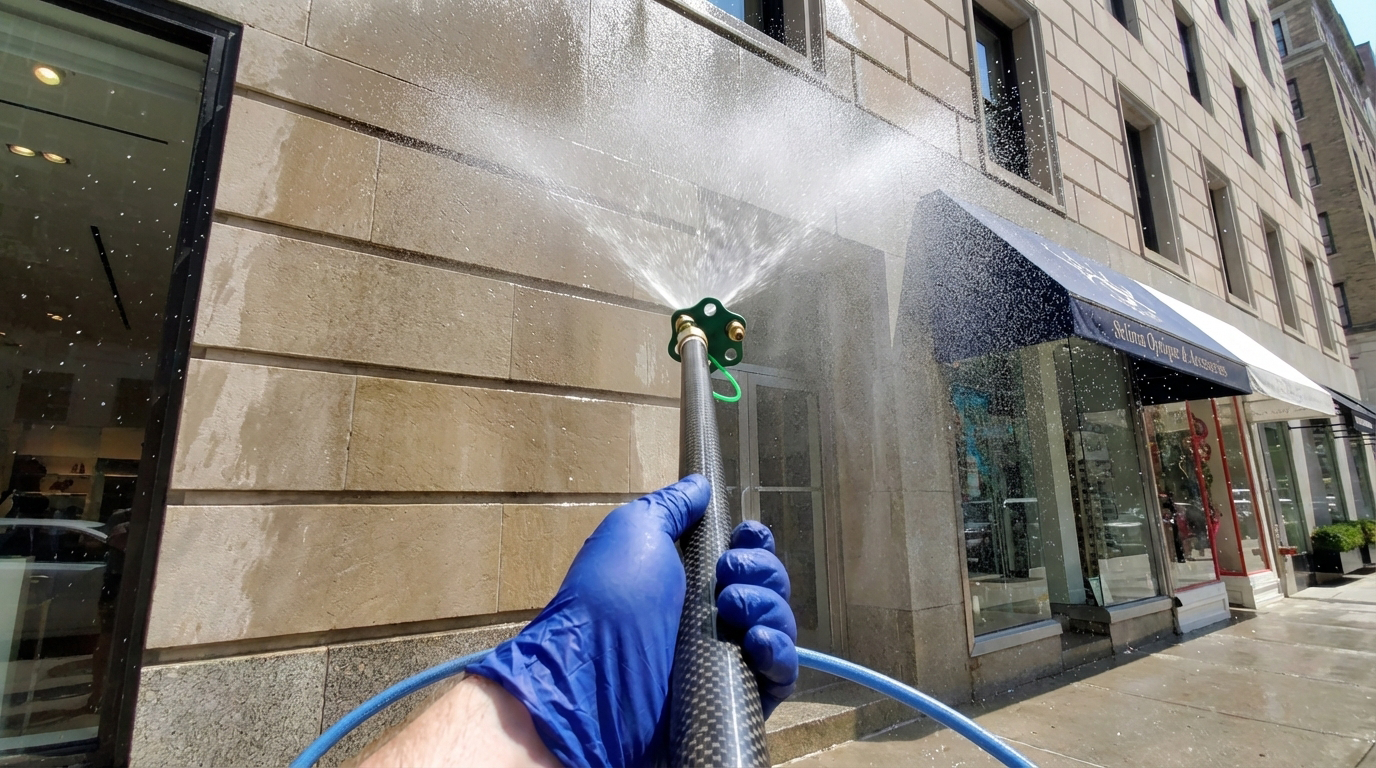
Soft Wash vs. Pressure Wash: Choosing the Right Method
Not all storefront pressure cleaning is the same. Professional technicians use two fundamentally different approaches, and picking the wrong one can cause expensive damage.
Soft washing uses low pressure – typically under 500 PSI – combined with specialized biodegradable cleaning solutions. The chemicals do the heavy lifting, dissolving mold, mildew, algae, and organic stains at the source. Soft washing is the right choice for glass surfaces, painted walls, awnings, signage, and any delicate material that high pressure would damage.
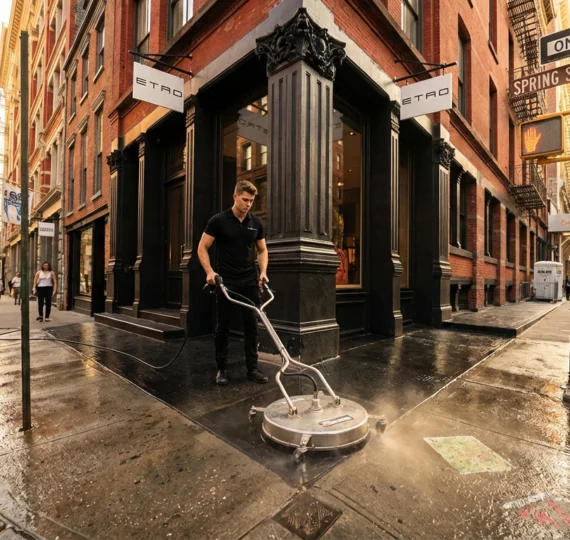
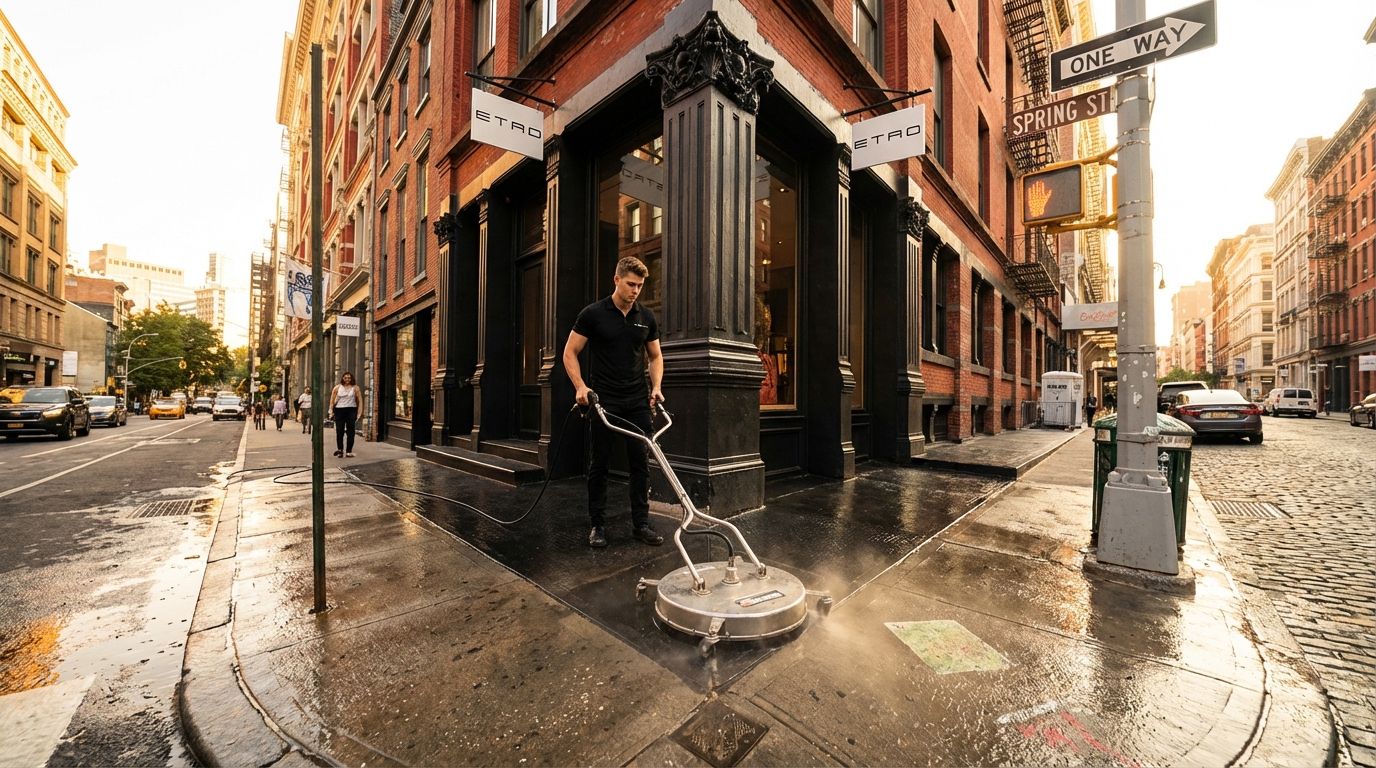
Pressure washing uses high-pressure water – ranging from 1,300 to 4,000 PSI – to blast away embedded dirt, grease, graffiti, and stubborn stains. It is ideal for hard surfaces like concrete sidewalks, brick walls, and metal fixtures.
Here is a quick guide to PSI settings by surface type:
- Glass and windows: soft wash only, under 500 PSI
- Vinyl and painted surfaces: 500 to 1,000 PSI
- Brick and masonry: 1,200 to 1,500 PSI
- Aluminum panels: 1,300 to 1,500 PSI with wide-angle nozzles
- Concrete sidewalks: 2,500 to 3,000 PSI
- Graffiti removal: 2,500 to 4,000 PSI
A qualified storefront pressure washing technician will often use both methods during a single visit – soft washing the glass and facade, then switching to high pressure for the sidewalks and curb area. At Big Apple Window Cleaning, for example, our storefront window cleaning crews regularly work alongside pressure washing teams to deliver a complete exterior refresh without risking damage to any surface.
Hot water pressure washing adds another dimension. When heated water meets grease, oil, and organic buildup, it breaks down contaminants far more effectively than cold water alone. This makes it especially valuable for restaurant storefronts and food service businesses dealing with kitchen exhaust residue.
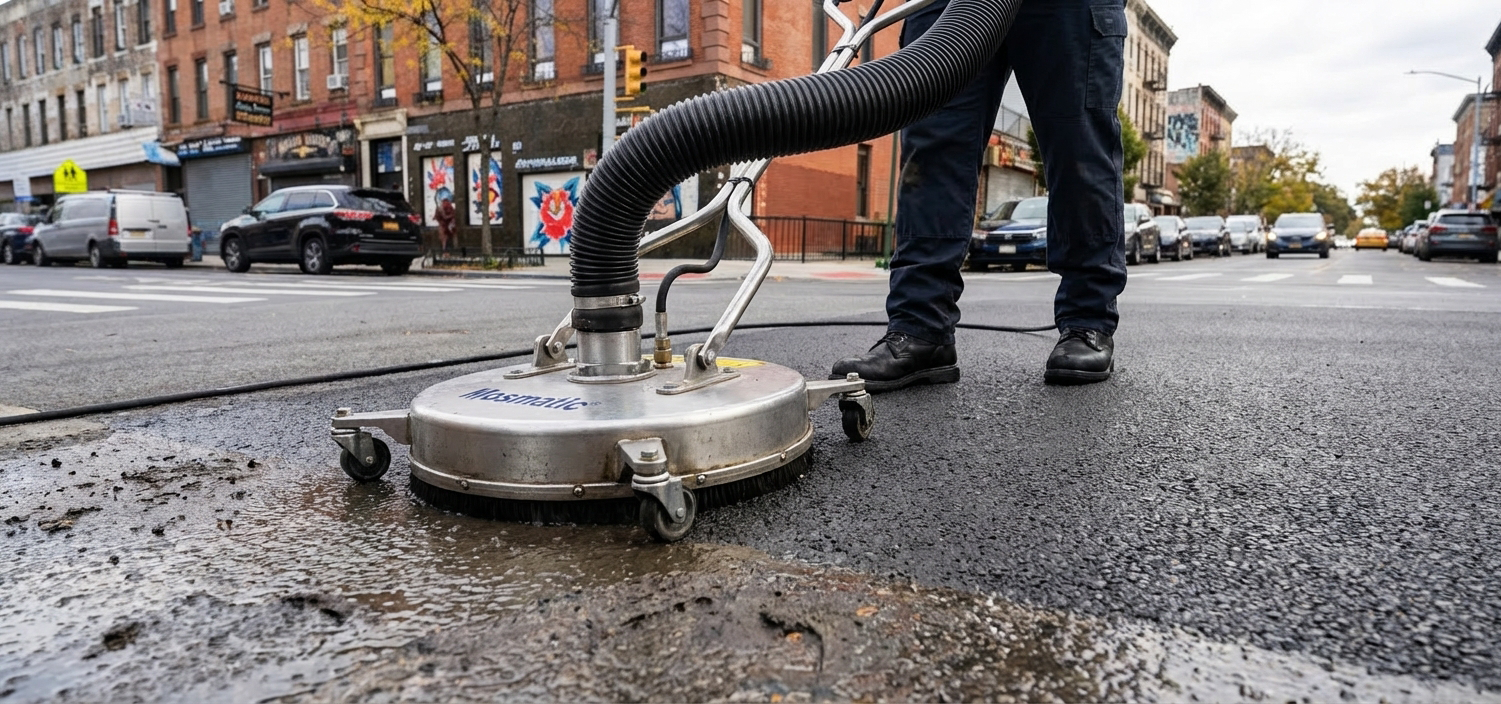
The EPA Rules You Cannot Afford to Ignore
Here is where storefront pressure cleaning in New York City gets serious. The Clean Water Act prohibits discharging pollutants into waters of the United States without an NPDES permit. That means wastewater from pressure washing cannot flow into storm drains. Period.
The consequences are not trivial. Property owners – not the cleaning company, but you, the property owner – can face fines of up to $50,000 per day if contaminated wash water enters the storm drain system. In New York City, with its complex combined sewer system, the stakes are even higher. The Department of Environmental Protection actively monitors discharge compliance in MS4 areas across the boroughs.
A professional storefront pressure washing company should use water reclamation systems that capture, filter, and either recycle or properly dispose of all runoff. They should also use biodegradable, eco-friendly detergents rather than caustic chemicals or bleach.
Before hiring anyone, ask these questions:
- How do you handle wastewater reclamation?
- Do you carry pollution liability insurance?
- Are your cleaning solutions EPA-compliant and biodegradable?
If the answer to any of these is a blank stare, keep looking.
How Often Should You Schedule Storefront Pressure Cleaning?
There is no universal answer, but here are solid guidelines for New York City businesses:
High-traffic retail storefronts, restaurants, and food service businesses should schedule storefront pressure cleaning every one to three months. The combination of foot traffic, food-related grime, and constant exposure to urban pollutants demands frequent attention.
Standard commercial spaces – offices, professional services, boutiques – typically benefit from quarterly or semi-annual storefront pressure washing. This keeps things looking fresh without excessive spending.
Low-traffic locations may get by with annual deep cleaning, but in New York City, even quiet blocks accumulate enough diesel soot and construction dust to warrant at least two sessions per year.
Seasonal timing matters too. Spring cleaning removes winter salt residue and road grime before the busy summer foot traffic season. Fall cleaning prepares your facade for the holiday shopping rush. If you wait until your storefront looks visibly dirty, you have already lost potential customers.
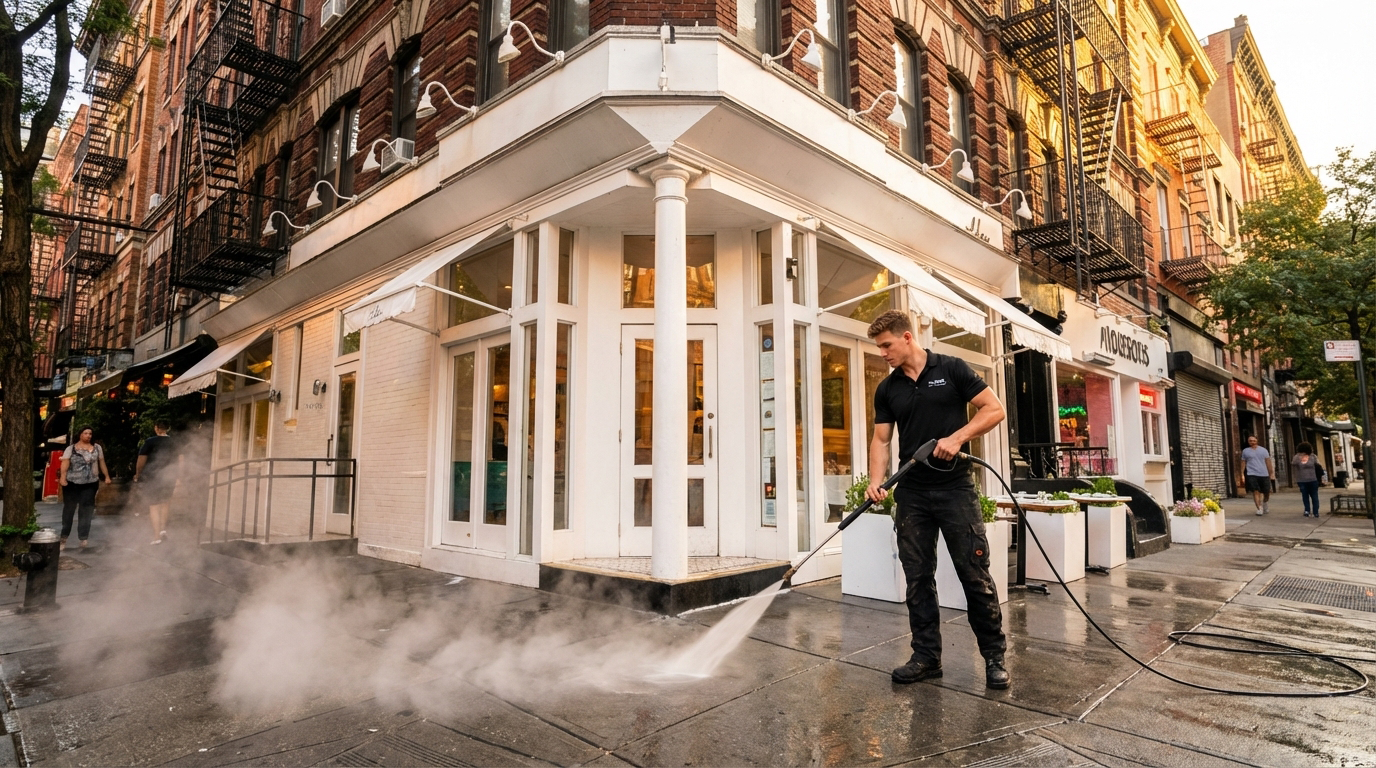
Why DIY Storefront Pressure Washing Is a Bad Idea
We get it. You are a New Yorker. You have changed your own flat tire on the BQE during rush hour. You can handle a pressure washer, right?
Maybe. But consider what is at stake. A commercial pressure washer delivers water at up to 4,000 PSI. Human skin can be penetrated at just 100 PSI. In 2014, over 6,000 people were hospitalized from pressure washing injuries – and those were mostly people using smaller residential machines.
Beyond the personal safety risks, there is the property damage factor. Too much pressure on glass can blow out window seals. High PSI on brick erodes mortar joints. Aggressive cleaning on painted surfaces strips coatings in uneven patterns that look worse than the original dirt. And one mistake with wastewater discharge can trigger EPA violations that cost tens of thousands of dollars.
Professional storefront pressure washing companies carry proper insurance, use calibrated commercial equipment, and understand how different materials in New York City buildings respond to various pressure and chemical combinations. Companies like Big Apple Window Cleaning, which specialize in both storefront window cleaning and exterior maintenance across all five boroughs, bring the kind of New York City-specific expertise that generic national franchises simply do not have.
Protect Your Investment, Protect Your Brand
Your storefront is the most visible ambassador your business has. In a city of eight million people where competition lurks on every block, a clean, well-maintained exterior is not a luxury – it is a necessity.
Regular storefront pressure washing protects your building materials from degradation, reduces slip-and-fall liability on sidewalks, keeps you compliant with DSNY sidewalk maintenance regulations, and most importantly, tells every person who walks by that you take pride in what you do.
The numbers do not lie: a clean storefront attracts more customers, generates more revenue, and costs a fraction of what you spend on digital advertising. Whether you operate a boutique on Madison Avenue or a corner deli in Astoria, professional storefront pressure cleaning is one of the smartest investments you can make in your business.
Do not let grime do the talking. Let your storefront speak for itself!
https://www.google.com/maps?cid=10117434971902366926
420 Lexington Ave #2440, New York, NY 10170, United States