

Skylight and greenhouse cleaning in NYC
Restore natural light to skylights, glass roofs, sunrooms, and greenhouses - safely cleaned inside and out.

No-Step Protocol we clean safely without putting weight on fragile glass
Biological Extraction safe removal of sun-baked bird droppings and urban soot
Seal & Drain Care we clean frames and clear weep holes to help prevent leaks
$11M Coverage strong liability coverage for complex roof access
The mechanics of
overhead glass deterioration
Your skylights and greenhouse windows aren't just dirty - they’re blocking natural light. Overhead glazing traps grime differently than vertical windows, and the wrong cleaning method can make things worse.
THE ROOFTOP DUST ACCUMULATION
Rooftop positioning means your glass collects airborne particles from HVAC exhaust, construction dust from neighboring projects, and fine soot from building heating systems. Unlike rain-washed vertical windows, horizontal and angled skylights trap debris as each raindrop evaporates.
NYC’s 2,574 annual sunshine hours bake this mixture into a hard mineral film that can block 40–60% of natural light within 12–18 months.
THE HIDDEN COSTS OF WAITING:
Compromised Thermal Performance:
Grime layers disrupt the designed solar heat gain coefficient (SHGC), throwing off your building’s thermal calculations. Your HVAC system compensates by working harder, wasting energy.
Permanent Surface Damage:
Dry-wiping baked-on debris creates micro-scratches that permanently haze acrylic domes. Using ammonia-based cleaners on Low-E coatings can damage the metallic oxide layer. Scraping with metal tools gouges tempered glass. This damage is irreversible – you can end up replacing $2,000–$8,000 skylight units because someone used the wrong technique.
Missed Structural Issues:
Professional greenhouse window cleaning and skylight cleaning can expose these issues before they cause interior water damage. We’ve caught $15,000 leak problems during routine cleaning that could have cost $50,000+ if discovered after ceiling damage occurred.
THE BIG APPLE overhead glazzing protocol
Every skylight cleaning project starts with safe access planning and surface identification.
Schedule a site visit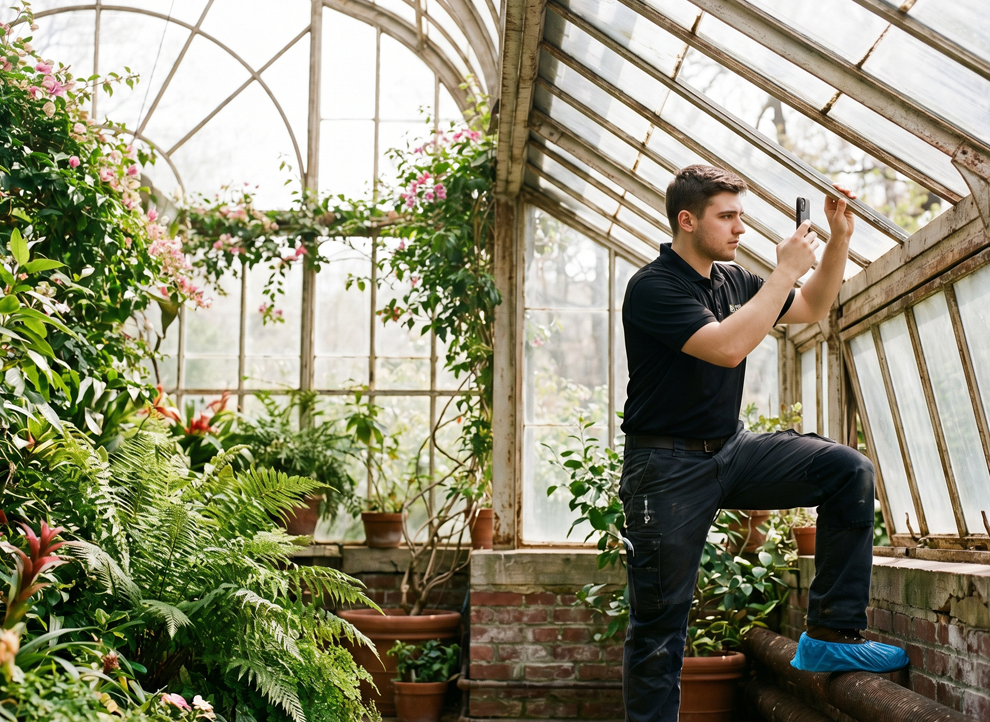
Pre-service surface assessment
Before touching glass, we identify the material: tempered glass, laminated glass, acrylic dome, polycarbonate panel, or film-coated glazing. Each requires different chemistry and tools. Ammonia can damage acrylic during glass roof cleaning. Metal blades can permanently cloud acrylic. We photograph existing conditions, document scratches or damage, and select surface-safe methods. For greenhouse window cleaning, we also assess interior access requirements and plant protection needs.
Rooftop access & safety protocols
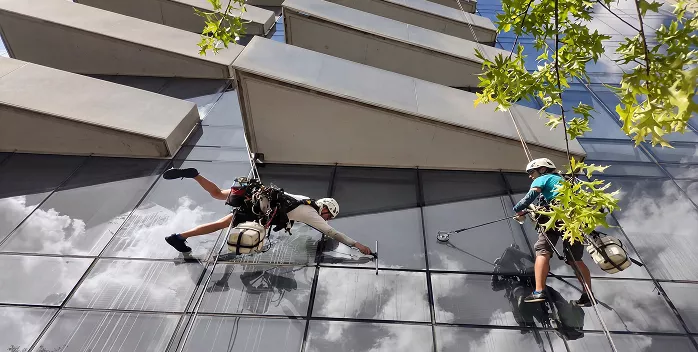
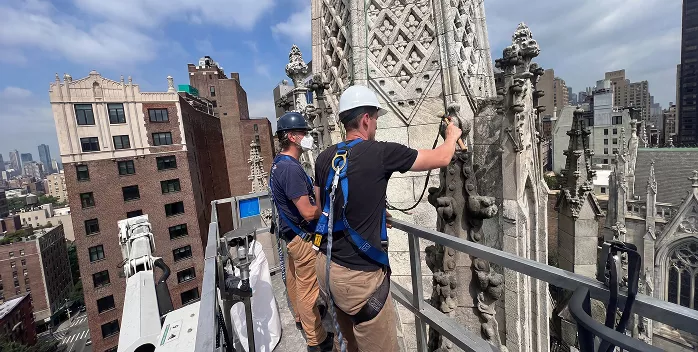
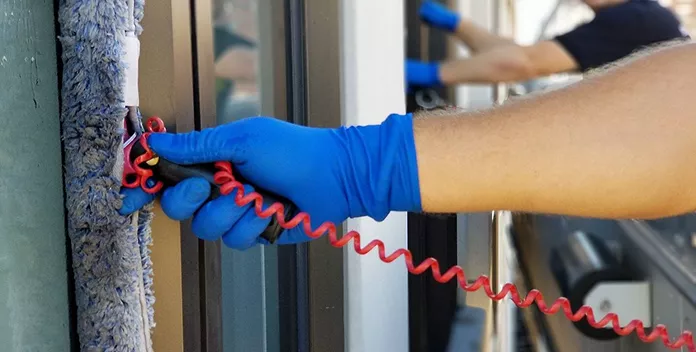
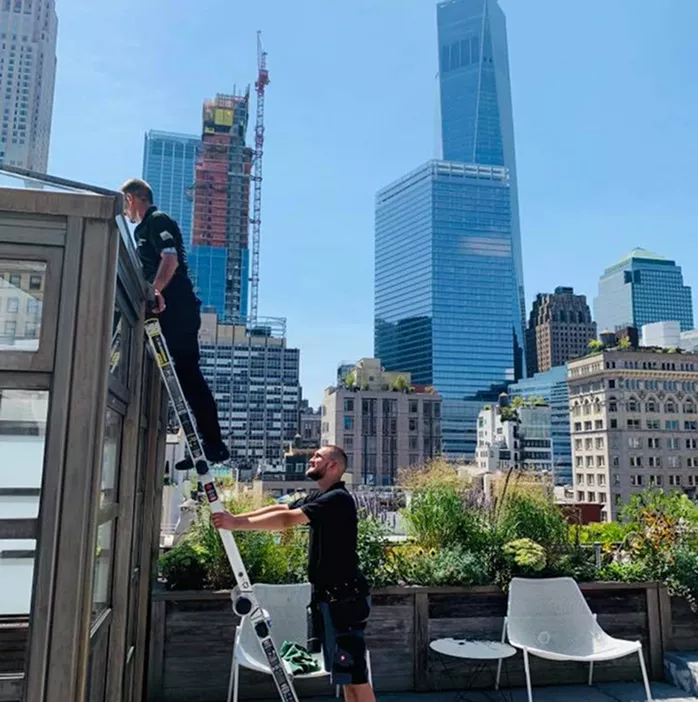
Flat roofs require edge protection barriers. Sloped roofs require anchor points and fall arrest systems. We arrive with OSHA-compliant equipment: harnesses rated for 5,000 lb, anchor straps inspected monthly, and non-slip footwear for various roof surfaces. For high-rise buildings, we coordinate with property management for roof access, elevator reservations, and certificate of insurance (COI) delivery. Safety isn't improvisation - it's documented.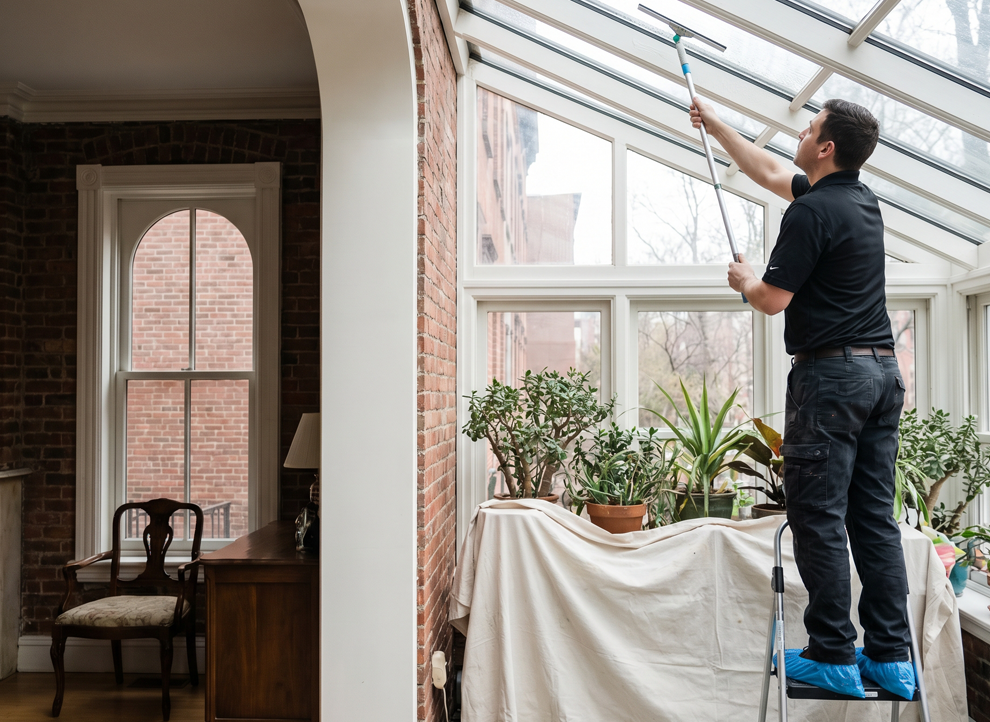
Interior protection & cleaning
We lay absorbent drop cloths, position catch basins at drip points, and use controlled moisture to prevent water damage to ceilings, floors, and furnishings. For sunroom window and greenhouse interior cleaning, we protect plants with plastic sheeting, control humidity during service, and time the work to avoid temperature stress on vegetation. Interior surfaces are hand-wiped using streak-free microfiber - no dripping, no spraying that can damage electronics or fabrics below.Big Apple Window Company at work
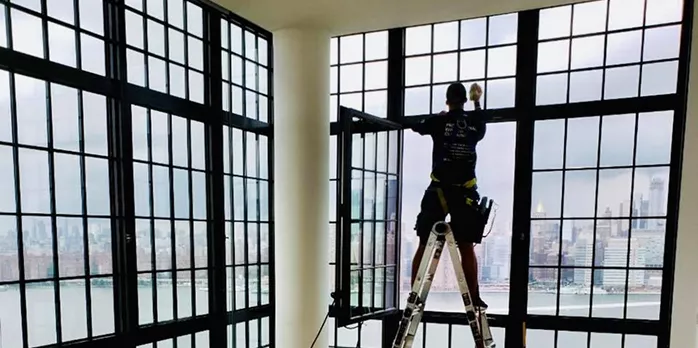
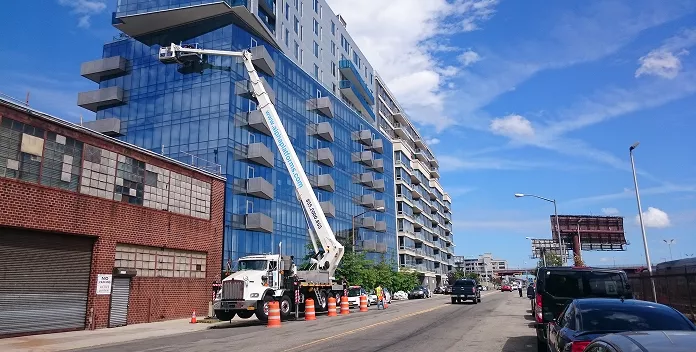
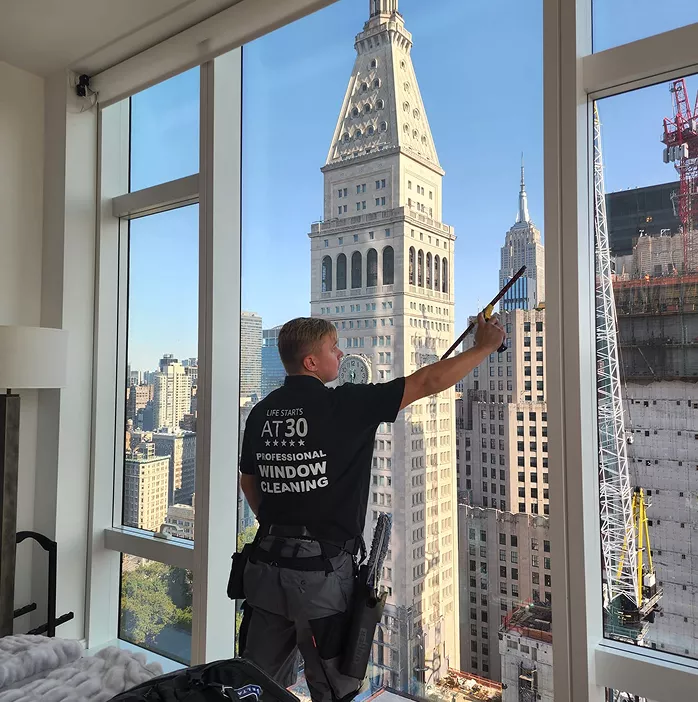
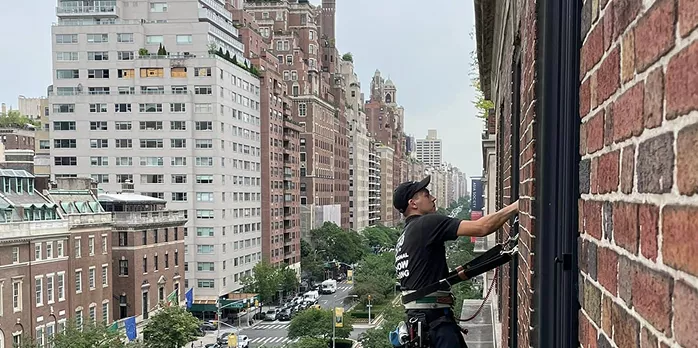
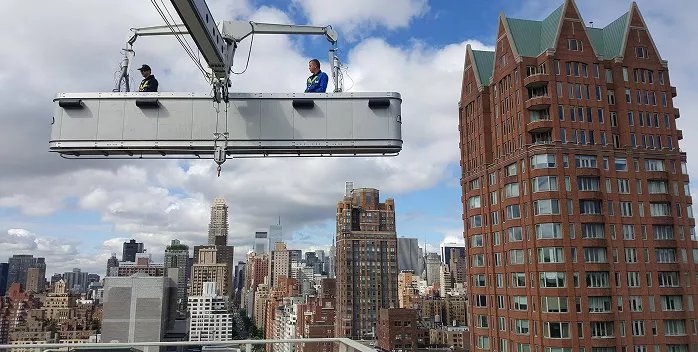
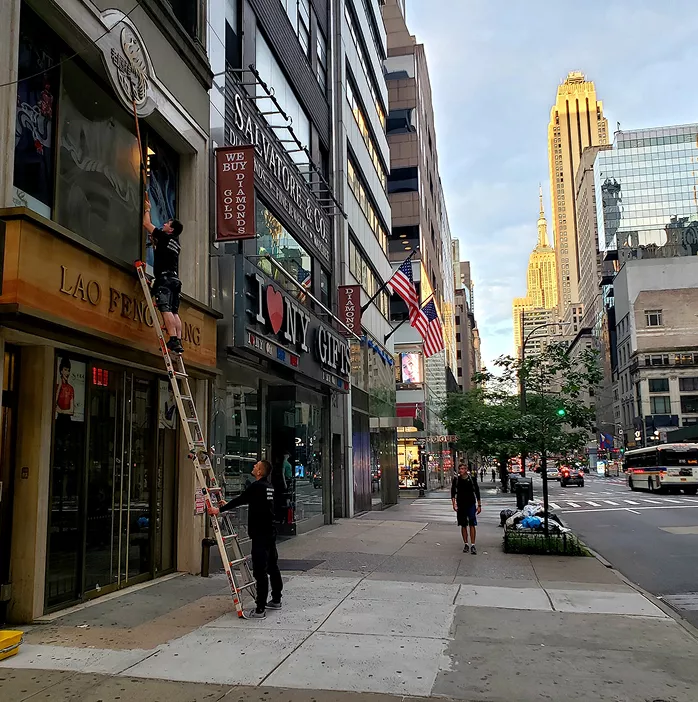
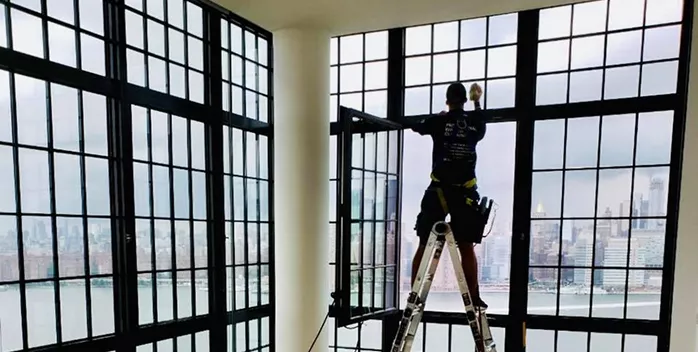
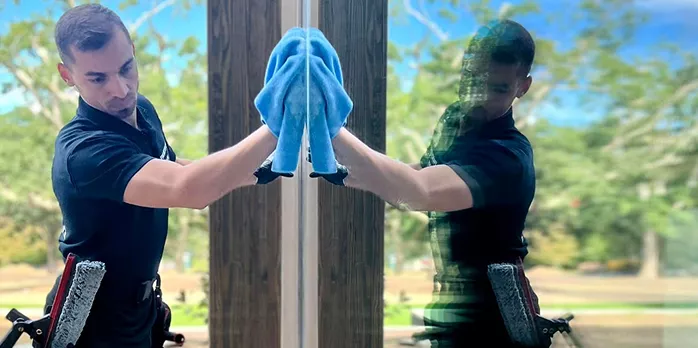
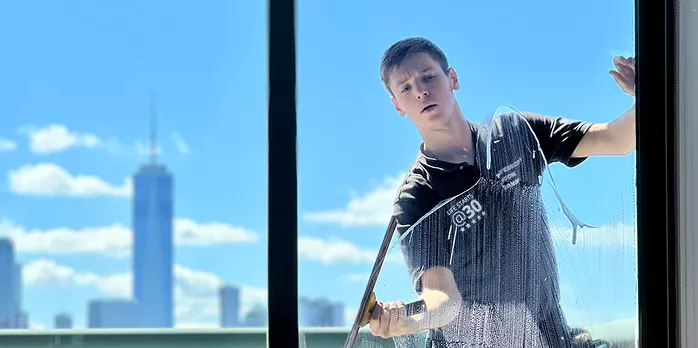
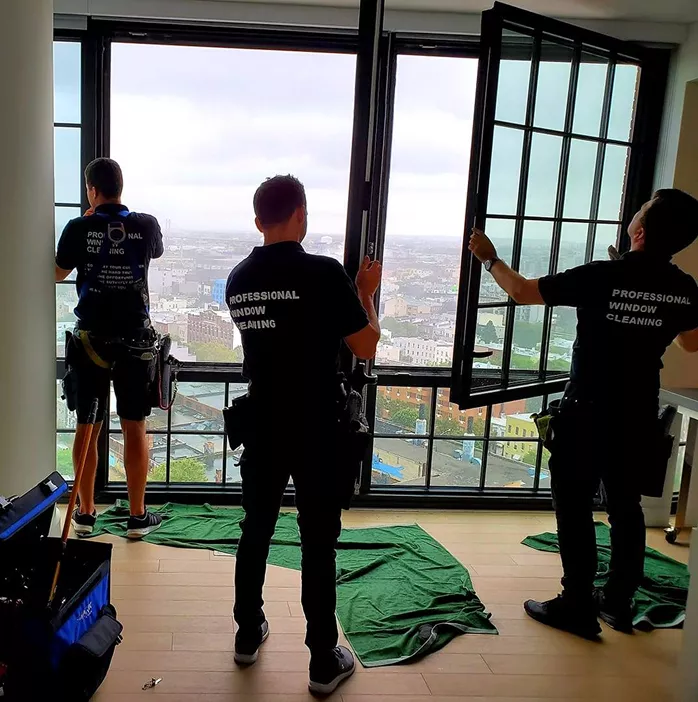
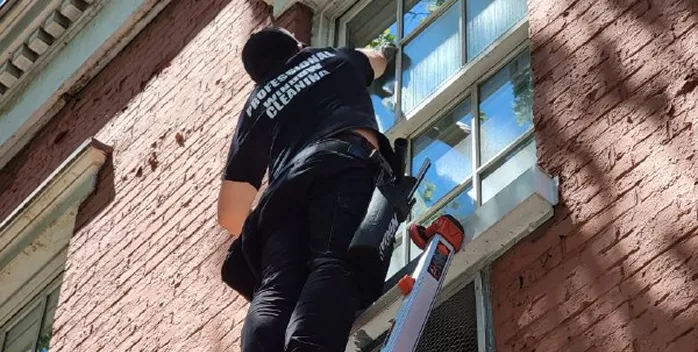
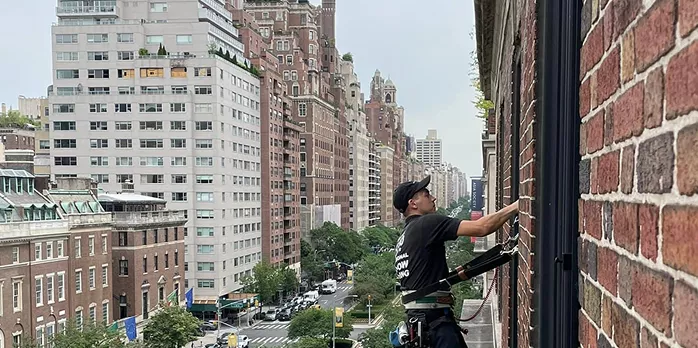
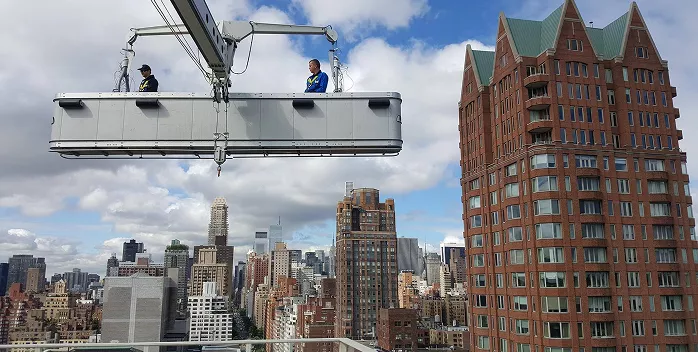
More than 2 decades of experience in property maintenance.







Light restored
The difference between dim and clear. We transformed this Brooklyn greenhouse from 40% light transmission to 95% in 4 hours.

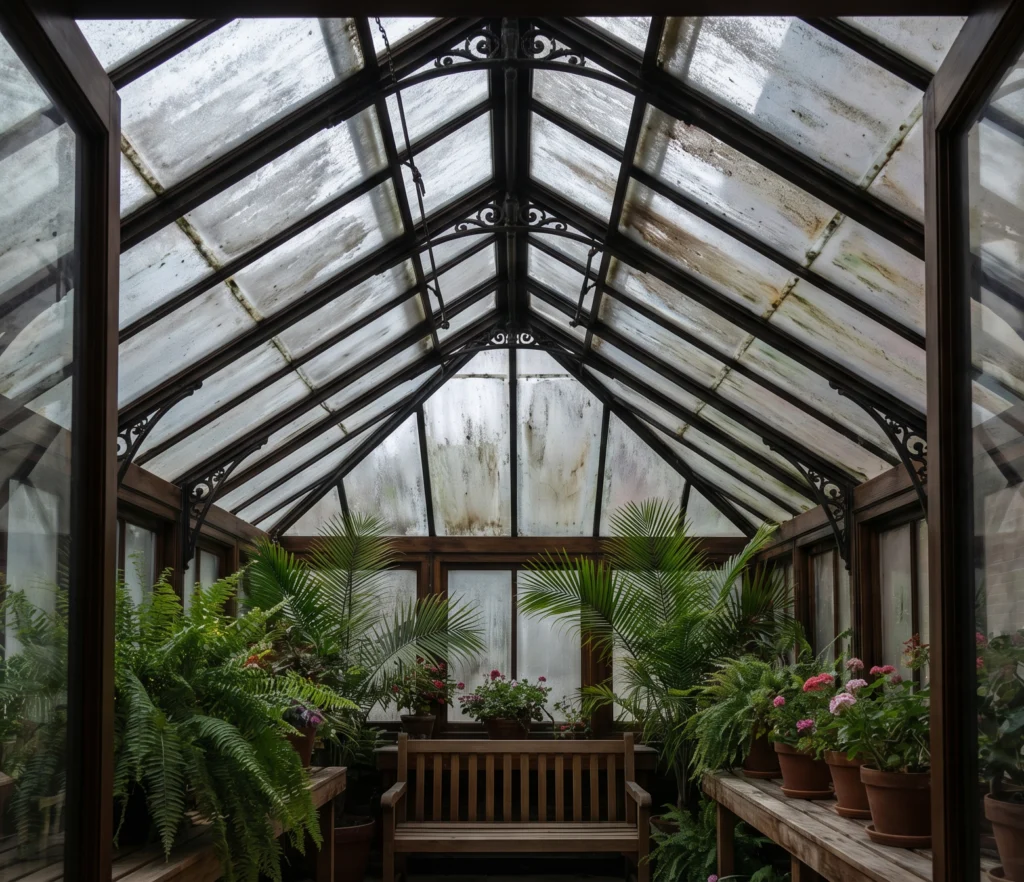 BEFORE
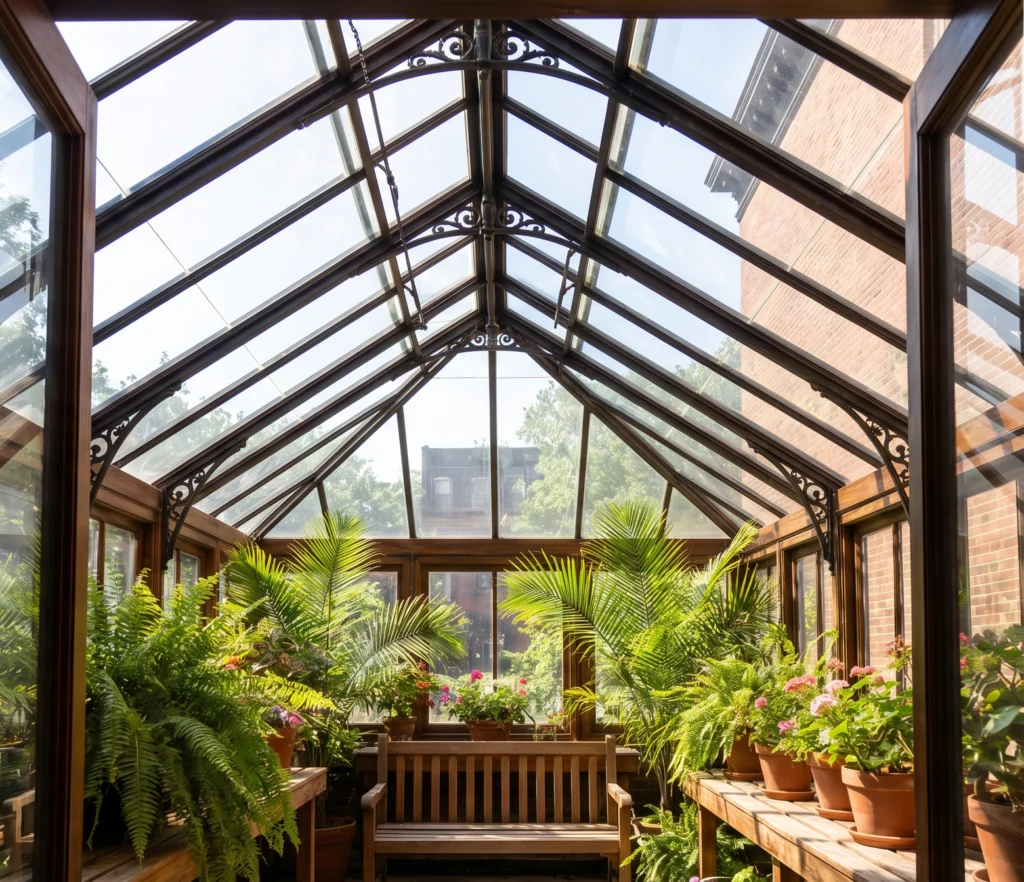 AFTER
AFTER
Engineering specifications & guarantees
Skylight cleaning requires specialized accountability. Here's what professional overhead glazing work includes.

Surface-safe chemistry
Non-abrasive, material-matched solutions. Glass gets pH-neutral cleaners. Acrylic gets ammonia-free formulas. Film-coated panels use gentle surfactants only.

Equipment standards
Soft microfiber tools, deionized water rinse systems, and plastic scrapers – never metal. OSHA fall protection gear for all rooftop skylight cleaning operations.
Crew certification
Rooftop safety-trained, OSHA fall protection certified. Surface identification expertise – we know what damages acrylic, films, and Low-E coatings.

Risk management
$11 million liability coverage includes surface damage protection. Full fall protection compliance. You’re covered during roof access work.

EXPERIENCE THE NEW STANDARD
Join 10,000+ NYC property owners who trust us with their skylights, glass roofs, and greenhouses. From single residential skylights to 50-panel commercial installations.
While we’re on-site
Our skylight cleaning crews spot structural issues during routine glass service - catching problems before they cause expensive interior damage.
Useful information
-
How do you clean greenhouse windows without leaving streaks?
Streaks usually come from dirty rinse water, oversoaping, or drying too slowly in direct sun. For cleaning greenhouse windows, work in sections, use a clean squeegee, and finish edges with a lint-free towel. On NYC rooftops, airborne dust can re-settle fast, so a proper final rinse matters. If the glass is overhead or hard to reach, do not improvise with ladders – it is safer and faster to hire a trained crew.
-
How do you remove cloudy haze from glass?
First confirm what the haze is. Outside haze can be minerals, oxidation, or pollution film; inside haze on double-pane units may be seal failure and cannot be wiped away. If haze returns quickly after cleaning, you may be dealing with hard water spotting or a coating issue. A professional evaluation prevents trial-and-error products that can etch glass or damage films.
Haze type Where it appears Typical cause Best next step Chalky spots Exterior Hard water minerals Controlled wash + proper rinse Gray film Exterior Pollution, soot, dust Glass roof cleaning protocol Rainbow / cloudy between panes Inside IGU Seal failure Consider glass replacement options Milky surface Acrylic / coated panels Wrong chemicals, micro-scratches Stop DIY – assess surface safely -
How to clean extremely dirty glass after months of buildup?
For heavy buildup, the biggest risk is scratching from dry debris. Pre-rinse first, then use a lubricated wash (soap solution) before any squeegee pass.
If residue still sticks, stop scraping blindly. A professional visit can remove buildup safely without leaving micro-scratches on glass roof panels.
-
Can I use vinegar to clean a greenhouse?
Vinegar can help with light mineral residue, but it is not a universal solution. It can react poorly with certain coatings, seals, and metal hardware, and it may not remove heavy rooftop grime. If you try it, dilute it, test a small area first, and rinse thoroughly. For delicate greenhouse panels or large glass roofs, professional washing greenhouse glass is the safest route to avoid haze and streaks.
-
How do you clean a skylight window?
Clean the interior first: protect floors, wash the skylight window, squeegee, then detail the edges. That prevents drip marks on paint and trim.
For the exterior, avoid stepping on fragile surfaces or leaning tools against seals. Many units have coatings or acrylic components that require gentler methods.
If access is awkward or elevated, book a skylight cleaning service. It is faster than DIY trial-and-error and avoids costly damage.
-
Should I let vinegar on windows sit or wipe off?
Do not let it sit for long. Vinegar works by briefly dissolving minerals – extended dwell time can leave residue, and on some frames it can dull finishes. Apply, lightly agitate, then wipe or squeegee off and rinse. If your goal is truly clear glass (especially on sunrooms), a proper wash and rinse is more reliable than soaking the surface.
-
Do window cleaners clean skylights and glass roofs?
Yes. Professional teams regularly handle skylight window cleaning, glass roof cleaning, and rooftop skylight cleaning, including interior protection and safe access planning.
If you want a consistent, streak-free finish, choose a company that works on NYC buildings and understands overhead glazing materials and risk controls.
Why glass roofs here are their own job: glass roof cleaning in New York City.
-
How to clean hard-to-reach skylight windows safely?
If it is high or over stairs, do not DIY – book a professional crew.
Situation DIY risk Recommended solution Skylight over staircase High fall risk Professional access plan Rooftop skylight near edge Severe hazard Trained crew with proper setup Large glass roof panels Scratching and streaking Glass roof cleaning workflow Acrylic or coated panels Permanent haze risk Material-safe cleaning method Sunroom ceiling glazing Interior drip damage Controlled interior protection + rinse -
What is the best thing to clean greenhouse glass with?
For greenhouse glass cleaning, start with clean water, a soft applicator, and a pH-neutral soap. Avoid harsh abrasives – they can scratch glass or haze acrylic panels. If the greenhouse has coatings or films, the safest approach is gentle chemistry and a controlled rinse to prevent spotting. If you are unsure what material you have, book a professional visit – the wrong product can permanently cloud the surface.
