

Local Law 11 in NYC: what your building owes in Cycle 10
Buildings taller than six stories need a facade inspection by a QEWI every five years. Sub-cycle 10A (blocks ending in 4, 5, 6 or 9) files by February 21, 2027. We give your inspector close-up access and do the repairs the report calls for.
- Free estimate
- Reply within 2 hours on business days
- $11M insured
- COI in 24-48 hours

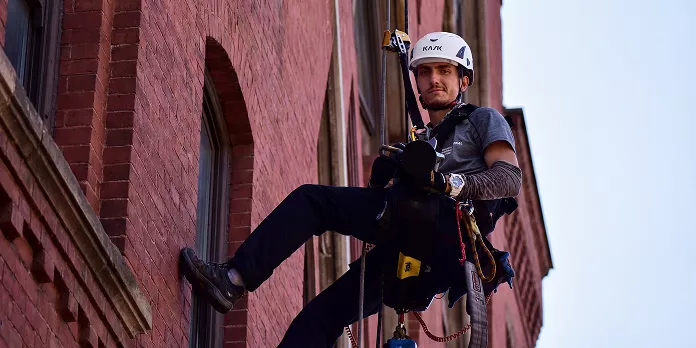
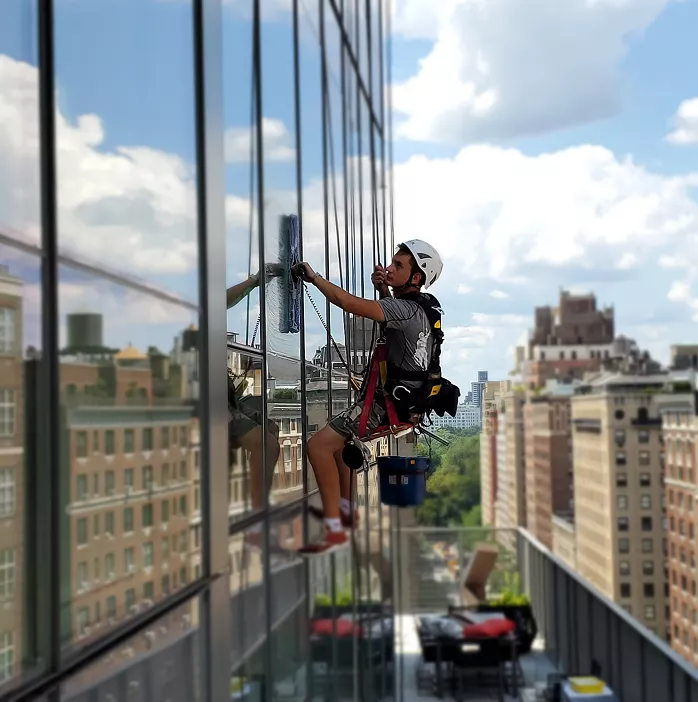
Scaffolding-Free Access fast, cost-effective close-up access using SPRAT rope access and operated boom lifts - without expensive sidewalk sheds
Hands-On QEWI Support we assist your QEWI with close-up photography, masonry sounding, and physical probes
Unsafe Condition Response immediate removal or netting of loose, spalling brick and terra-cotta to help prevent DOB violations and protect pedestrians
$11M Coverage DOB-compliant safety procedures and strong liability coverage
The mechanics of
FISP non-compliance
Missed FISP deadlines can trigger penalties, violations, repair pressure, and liability exposure - turning a routine inspection cycle into a management problem.
HOW LOCAL LAW 11 CATCHES UNPREPARED OWNERS
The law doesn’t just require an inspection – it requires a Qualified Exterior Wall Inspector (QEWI) to perform close-up facade inspections, classify conditions as “safe,” “safe with a repair and maintenance program” (SWARMP), or “unsafe,” and file reports with the NYC Department of Buildings.
THE HIDDEN COSTS OF WAITING:
Compounding Penalties & DOB Violations:
A 10A building that misses February 21, 2027 pays $1,000 a month for late filing, and $5,000 a year if it never files. Unsafe conditions must be repaired within 90 days, with public protection up the whole time; after that, penalties under 1 RCNY 103-04 apply unless the QEWI files for more time.
Emergency Repair Premium:
Emergency facade work can cost 40–60% more than planned projects because contractors know you’re under deadline pressure. Scaffold rentals become non-negotiable. Architect inspection fees can double for expedited reviews.
Insurance & Liability Exposure:
If loose masonry falls and injures a pedestrian after you’ve been notified of the defect through a FISP inspection, your liability defense weakens substantially. Some insurers require proof of Local Law 11 compliance for coverage renewal.
THE BIG APPLE FISP protocol
Your QEWI inspects and files the report. We handle what sits around it: scheduling, close-up access and the repairs.
Schedule a site visit
Inspection scheduling & QEWI coordination
We coordinate with NYC-licensed QEWIs specializing in Local Law 11 facade inspections - professionals who understand DOB filing requirements, identify compliant and non-compliant conditions, and prepare documentation for DOB review.
Comprehensive facade assessment
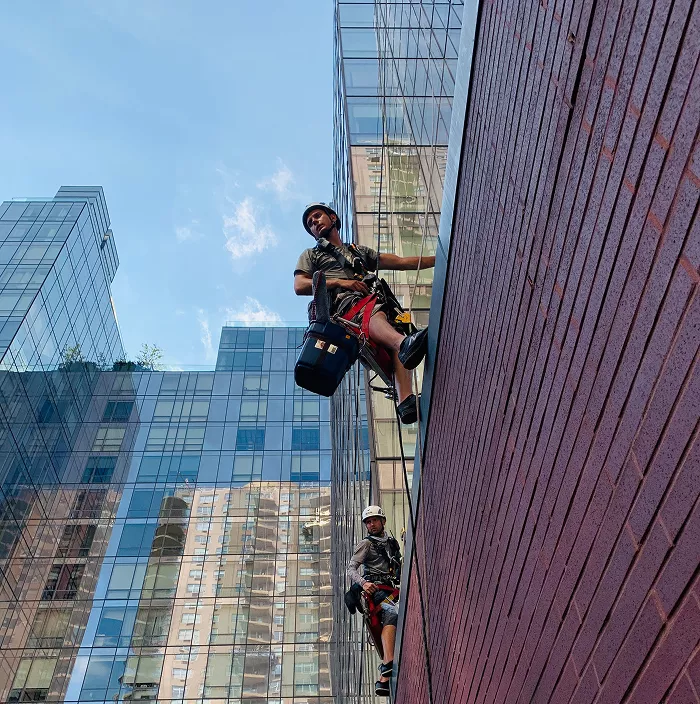
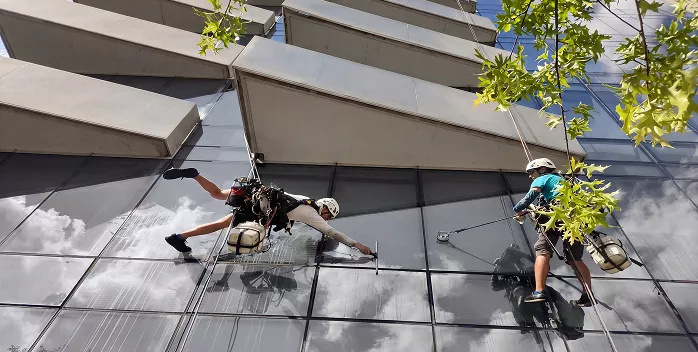
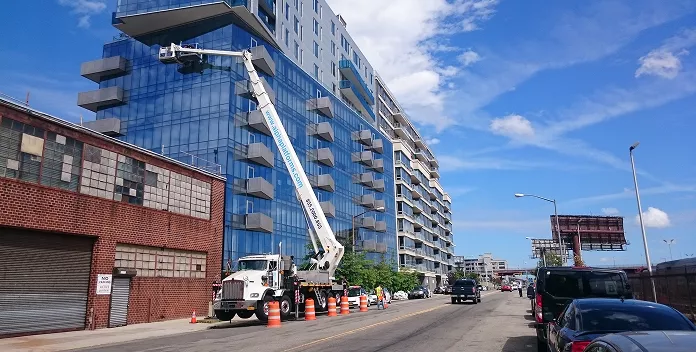
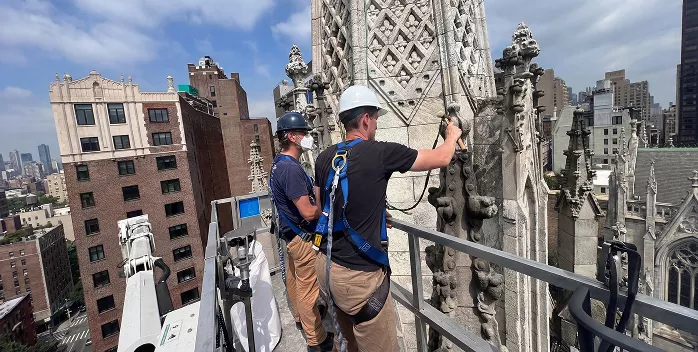
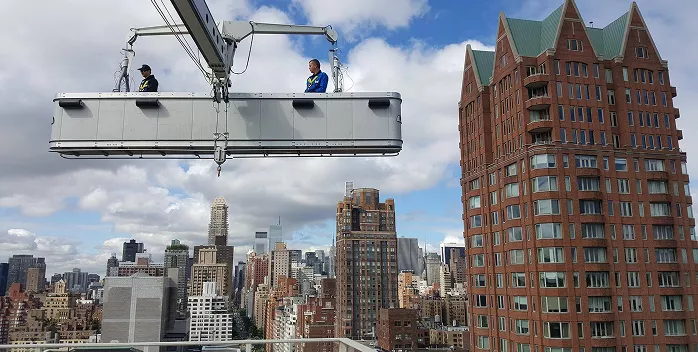
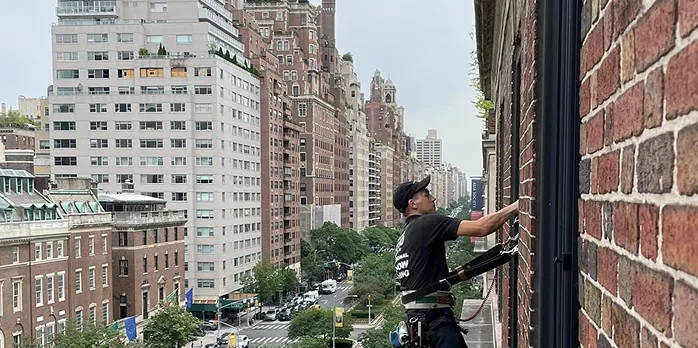
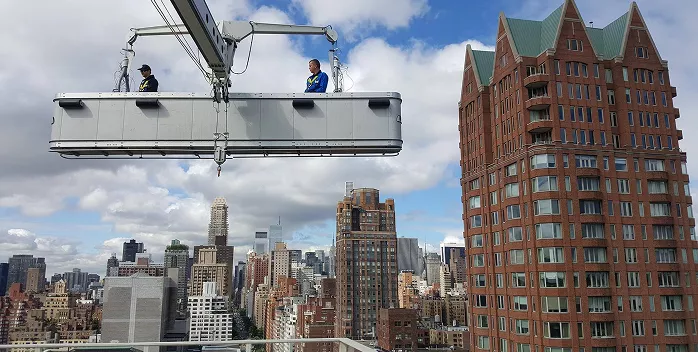
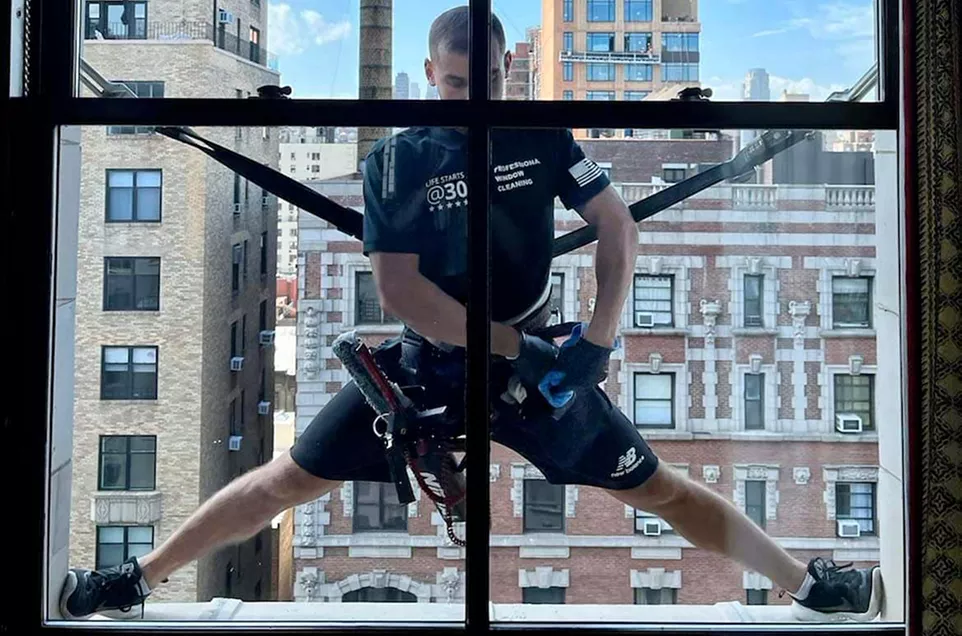
We provide close-up access - SPRAT-certified rope access technicians and aerial lift operators who give your QEWI direct access to cornices, parapets, setbacks, and facade details. For tall elevations and setbacks we bring a boom lift up to 300 feet or work from the building's BMU or davits.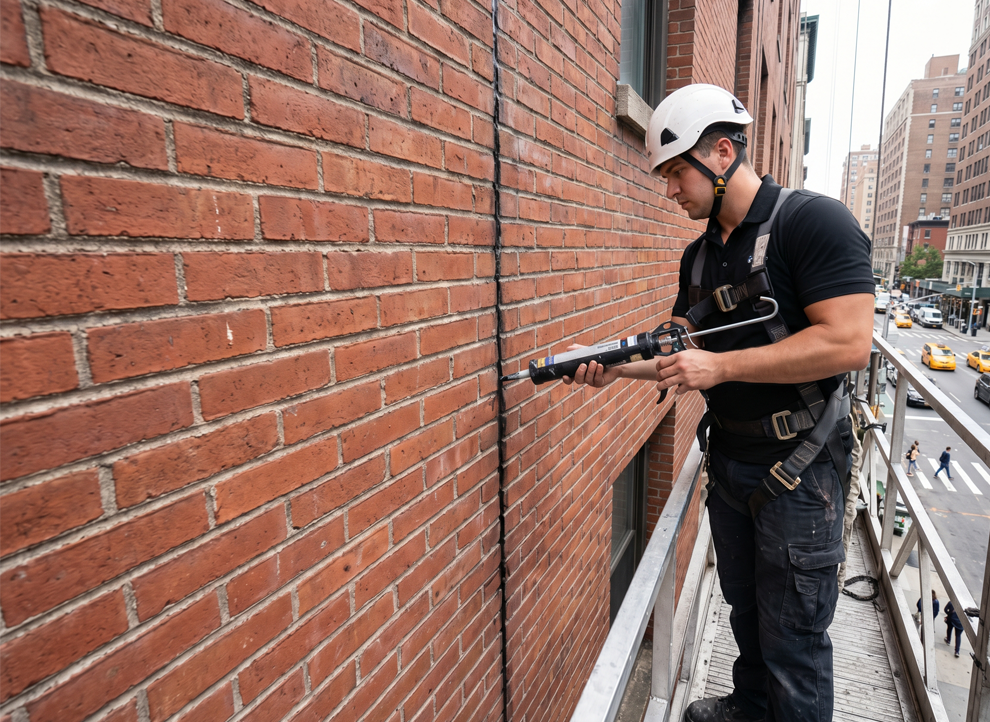
SWARMP filing & repair coordination
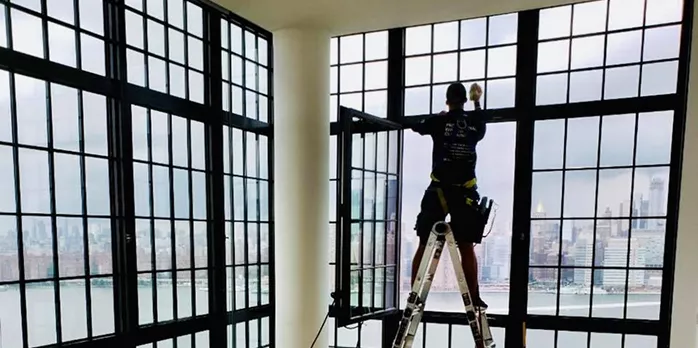
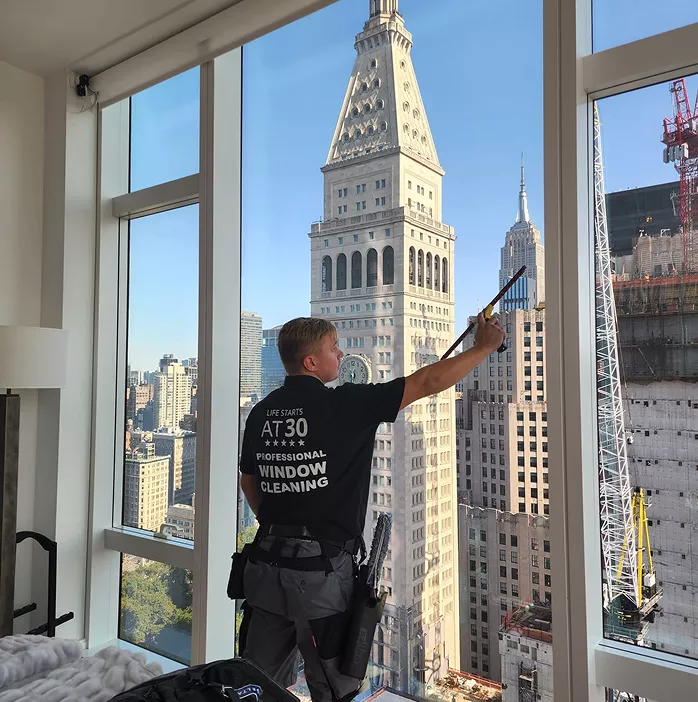
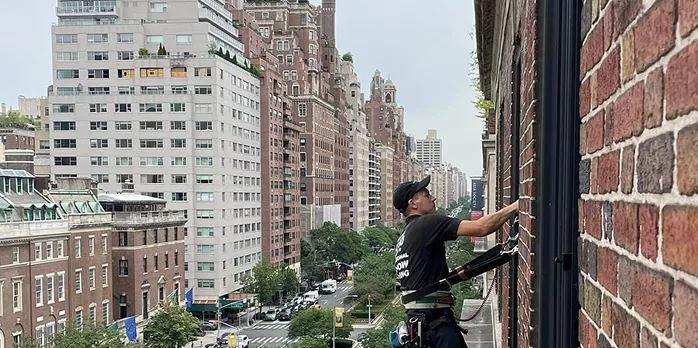
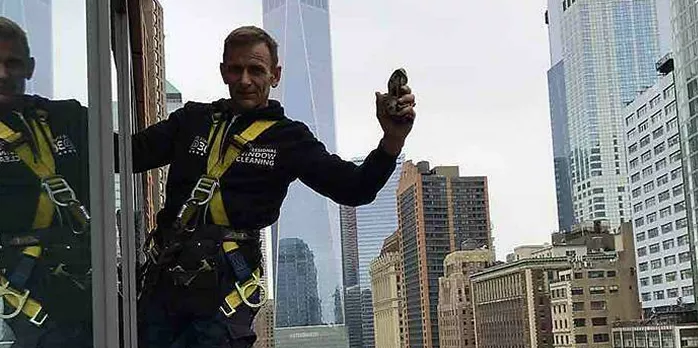
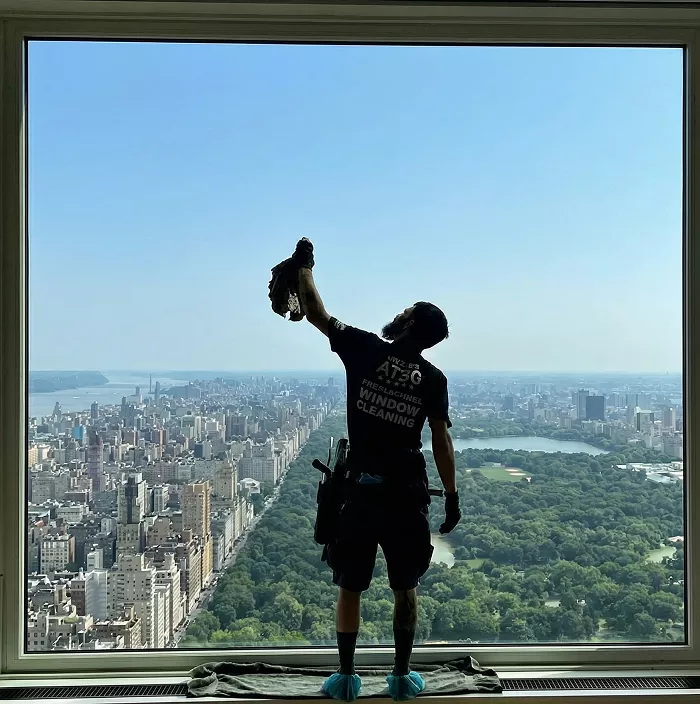
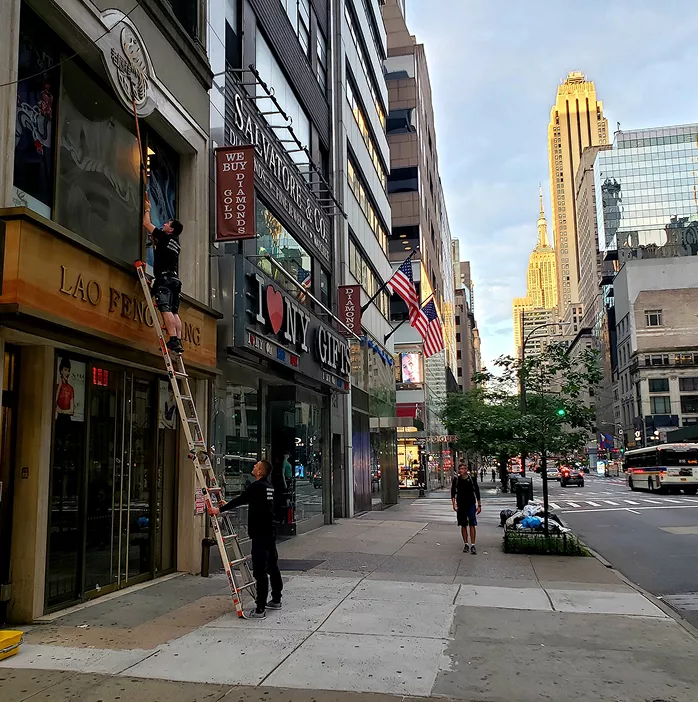
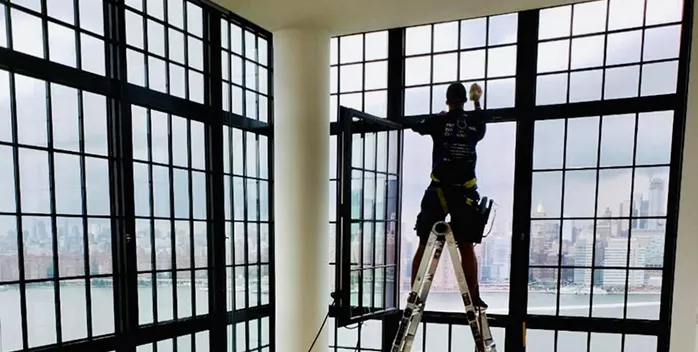
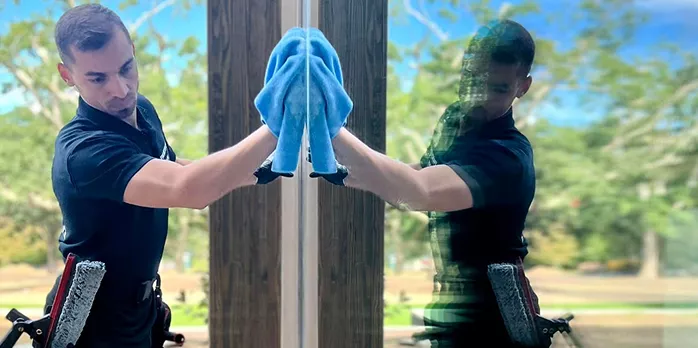
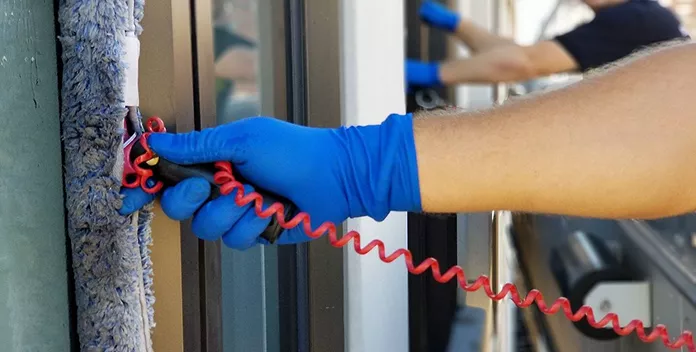
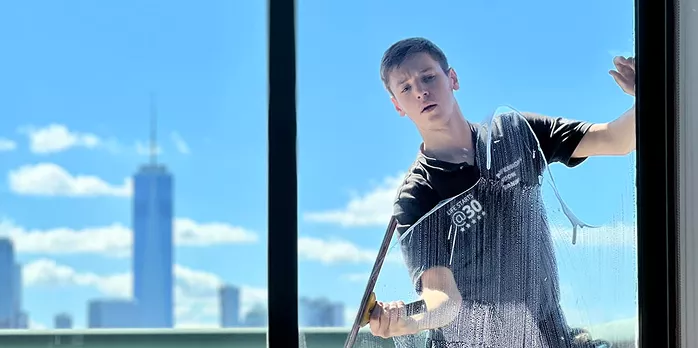
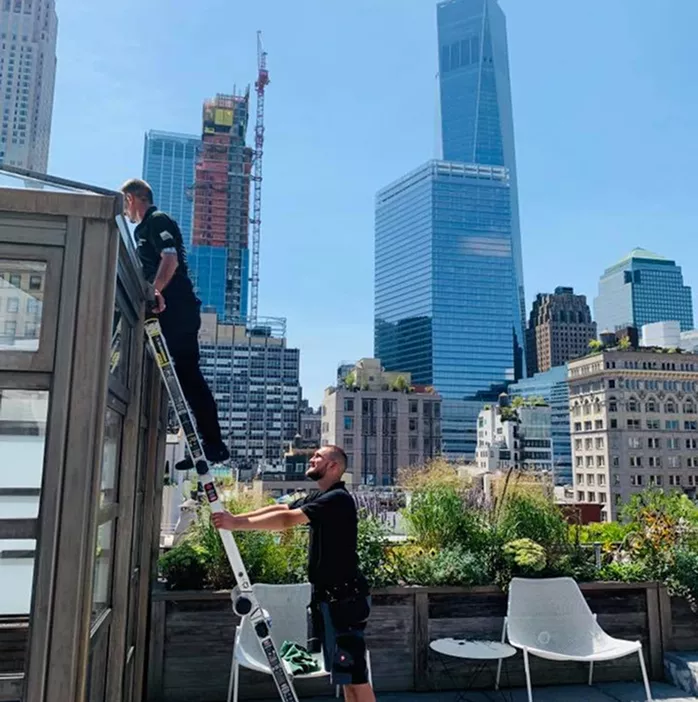
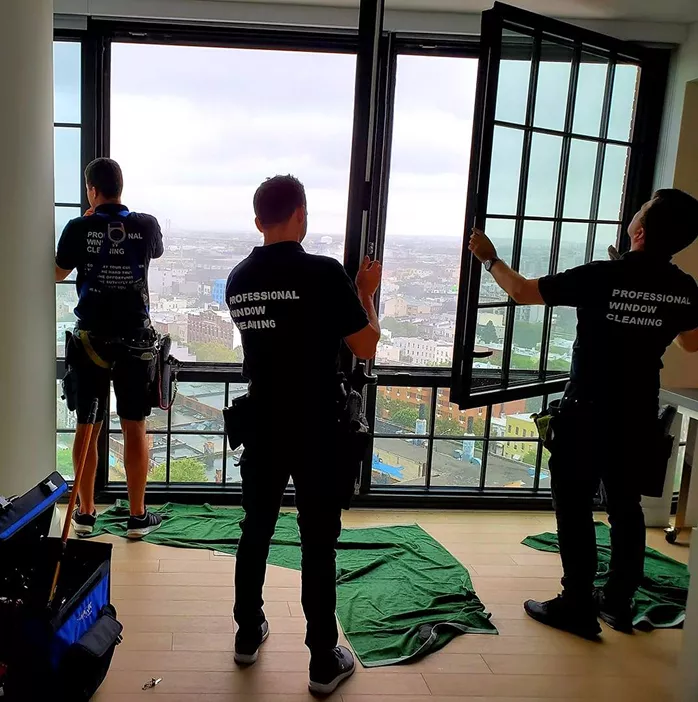
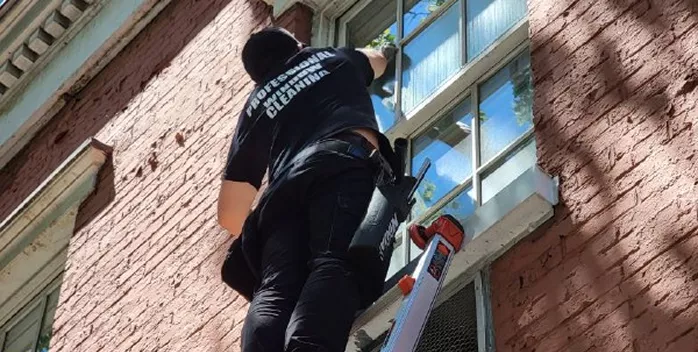
We coordinate required repairs - providing cost estimates, scheduling facade work within DOB timelines, and completing repairs with our own SPRAT-certified crews.Big Apple Window Cleaning at work
Two decades of experience in property maintenance.
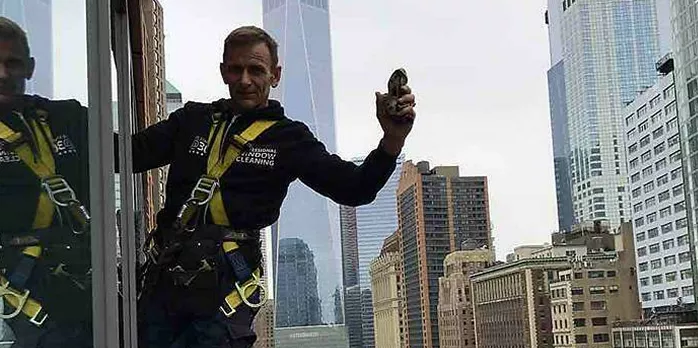
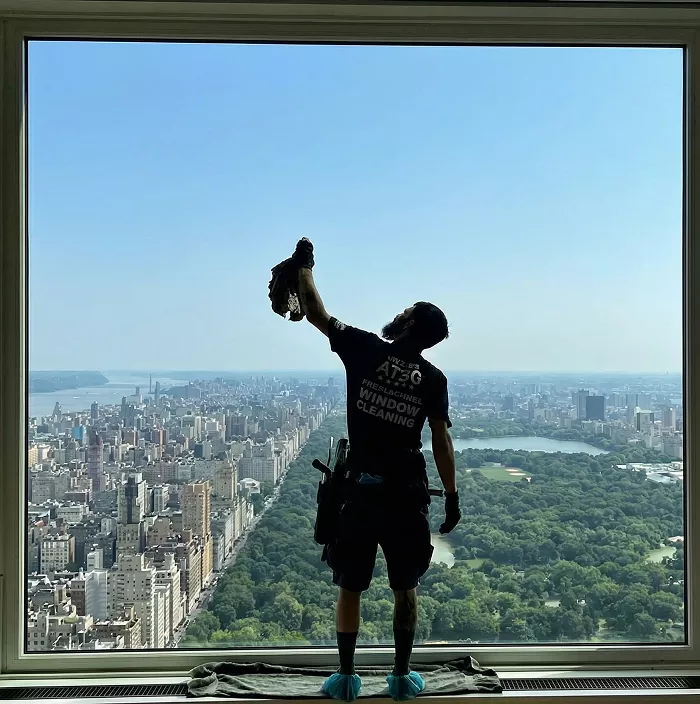
Cycle 9 compliance under pressure
See the difference. A Tribeca co-op discovered it had missed its filing deadline by 11 months - we coordinated an emergency inspection, identified critical repairs, and achieved full compliance in 73 days.

 BEFORE
 AFTER
Engineering specifications & guarantees
Clear specs. Straight answers. Here’s what Local Law 11 / FISP support looks like when done correctly - compare our access and mitigation process against any facade inspection support company in NYC.
FISP support process
We coordinate close-up access, inspection support, unsafe condition response, documentation, and repair scheduling so your QEWI has what they need for Local Law 11 / FISP compliance.
Access & safety technology
SPRAT Level 2/3 rope access. IPAF-certified aerial lift operators. Operated boom-lift access up to 300 ft. Fall protection per OSHA 1926.502. NYC DOB-approved rigging plans.
Repair & restoration capabilities
SPRAT-certified facade repair crews. OSHA-compliant access methods. Emergency response for unsafe conditions within 48 hours. All work is documented for DOB review.
Risk management
$11 Million Coverage for inspection access and facade repair work. Full NY Labor Law §240/241 coverage. No Action Over exclusions. COIs provided to boards and property managers.

EXPERIENCE THE NEW STANDARD
Join 200+ buildings that trust us with their Local Law 11 compliance - year after year, cycle after cycle.
While we’re on-site
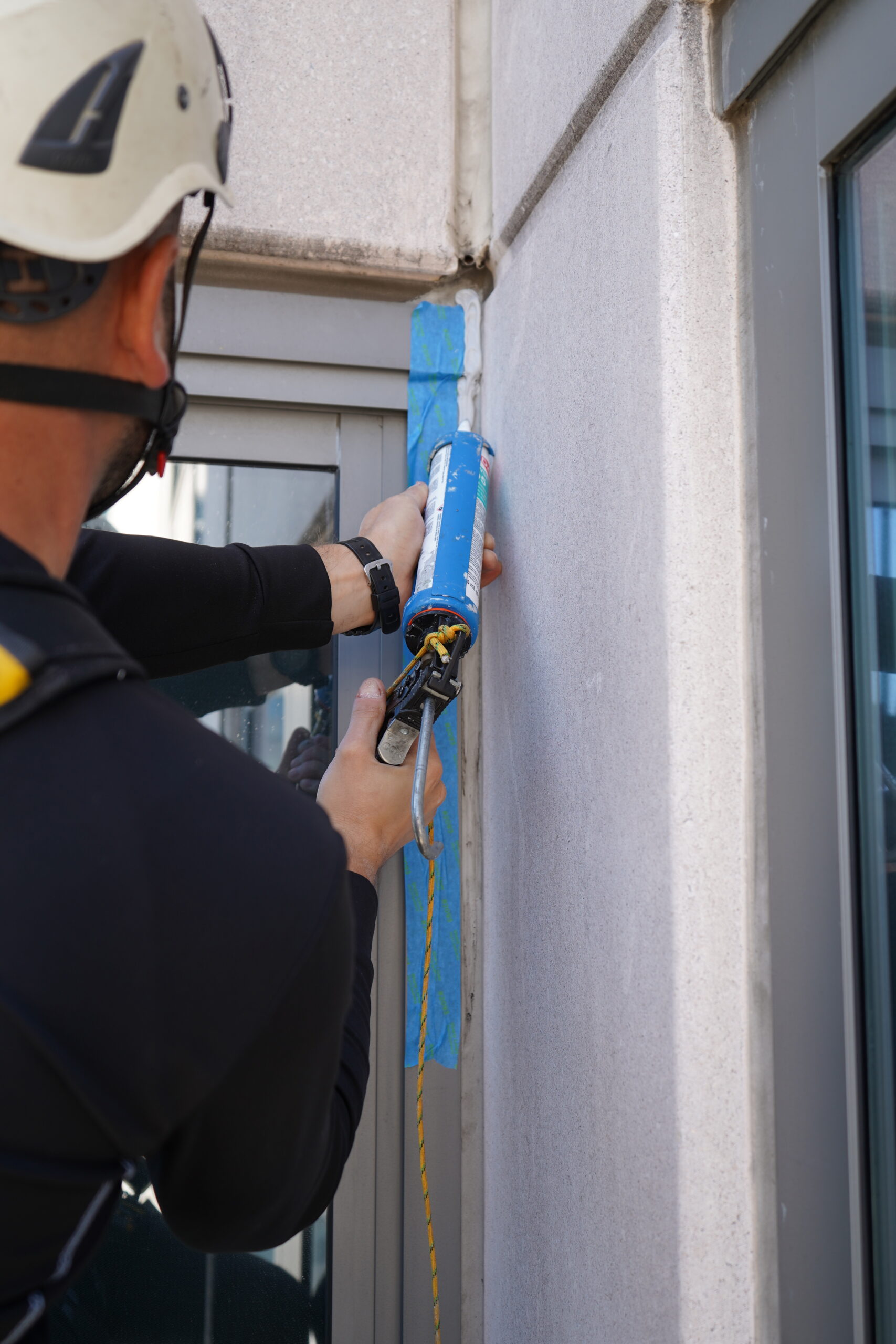
Our facade specialists are trained to identify issues that often come up during Local Law 11 / FISP inspection support.

Useful information
-
What is Local Law 11?
Local Law 11 of 1998, now the Facade Inspection Safety Program (FISP), requires buildings taller than six stories to have their facades and appurtenances inspected every five years by a Qualified Exterior Wall Inspector (QEWI): a licensed architect or engineer approved by DOB. The QEWI files the report with the Department of Buildings.
-
What does FISP stand for?
FISP stands for Facade Inspection Safety Program. It’s NYC’s mandatory inspection cycle for commercial and residential buildings, enforced by the Department of Buildings to prevent falling debris injuries.
-
How often are Local Law 11 inspections required?
Every five years. Cycle 10 runs from February 21, 2025 to February 20, 2030, and the last digit of your tax block number sets your filing window inside it. Late filing costs $1,000 a month.
-
What buildings does Local Law 11 apply to?
Buildings taller than six stories, residential and commercial: co-ops, condos, rentals, office and mixed-use. Six stories or fewer are outside FISP, but a parapet facing the street still needs its yearly observation.
-
What are SWARMP conditions?
SWARMP means “Safe with Repair and Maintenance Program.” It’s a facade condition classification requiring documented repair timelines and ongoing maintenance to address defects that aren’t immediately unsafe but need attention. We coordinate both the inspection and the actual facade repairs, ensuring your SWARMP filing meets DOB requirements.
The repair date on the report must be one to five years out, and the same condition can’t be listed as SWARMP two cycles in a row: left unrepaired, it becomes Unsafe.
How many NYC facades are rated unsafe, and what the fines add up to: our analysis of DOB facade filings.
-
How long does Local Law 11 take?
Inspection takes 1-3 days depending on building size. Filing preparation requires 2-4 weeks. If repairs are needed, add 30-90 days.
Total timeline: 6-16 weeks from start to final DOB approval. We manage every step to prevent deadline violations.
-
What is a facade violation?
A DOB-issued citation for missing FISP deadlines, incomplete filings, or unsafe facade conditions found during inspection. Late filing is $1,000 a month, failure to file $5,000 a year, an uncorrected SWARMP condition $2,000, and unsafe conditions are fined on the 1 RCNY 103-04 schedule.
-
When is my building's Cycle 10 deadline?
Block number ends in Sub-cycle Filing window 4, 5, 6, 9 10A Feb 21, 2025 to Feb 21, 2027 0, 7, 8 10B Feb 21, 2026 to Feb 21, 2028 1, 2, 3 10C Feb 21, 2027 to Feb 21, 2029 The block number is on your tax bill, or type the address into the status check above. A building whose last status is No Report Filed can file early in 10A after a sub-cycle override, once its open penalties are paid.
-
What does a FISP filing cost?
DOB charges $425 to file the initial report, $425 for each amended report, $305 for an extension of time to finish repairs and $140 to request a penalty waiver. The inspector’s fee and the access are on top.
-
What happens if the facade is rated Unsafe?
You put up public protection right away, usually a sidewalk shed, and the condition is reported through 311. Repairs are due within 90 days; the QEWI can file for more time. The shed stays until an amended Safe or SWARMP report is accepted.
-
Do we also need a parapet inspection?
Yes, every year, if the building has a parapet facing a street or sidewalk, whatever its height. It has been required since January 1, 2024; fully detached one- and two-family homes are exempt. Keep each report for six years.
