

Window glass
replacement & repair in NYC
Restore safety and security without replacing the entire window frame.

Frame Preservation we replace failed glass without tearing out the existing frames
Thermal Efficiency argon-filled IGUs help eliminate fogging, drafts, and outside noise
White-Glove Protocol we use shoe covers and drop cloths to protect your interiors
$11M Umbrella Coverage liability coverage for your property
The mechanics of
glass failure
A damaged window is a weakened safety barrier that creates security risks and allows damage to spread.
HOW GLASS CRACKS SPREAD
Window glass is under constant stress from sun exposure, wind pressure on high-rise façades, normal building movement, and sudden temperature changes.
NYC’s climate puts glass under continuous pressure, from winter freeze-thaw cycles to summer heat and spring storms.
THE HIDDEN COSTS OF WAITING:
Safety & Security Risks:
Cracked glass weakens the window and increases the risk of sudden failure, which can injure occupants or send glass falling to the street below (a serious liability in NYC).
Damage That Keeps Getting Worse:
In double-pane windows, cracks can let moisture into the sealed air space, causing fogging and turning a minor repair into a full IGU replacement.
Energy Loss & Water Damage:
During storms, wind-driven rain can get through cracked glass, soak window sills, damage interior finishes, and lead to mold inside the wall.
THE BIG APPLE glass protocol
We perform surgical glass extraction and replacement that restores safety and efficiency with zero frame disruption.
Schedule a site visit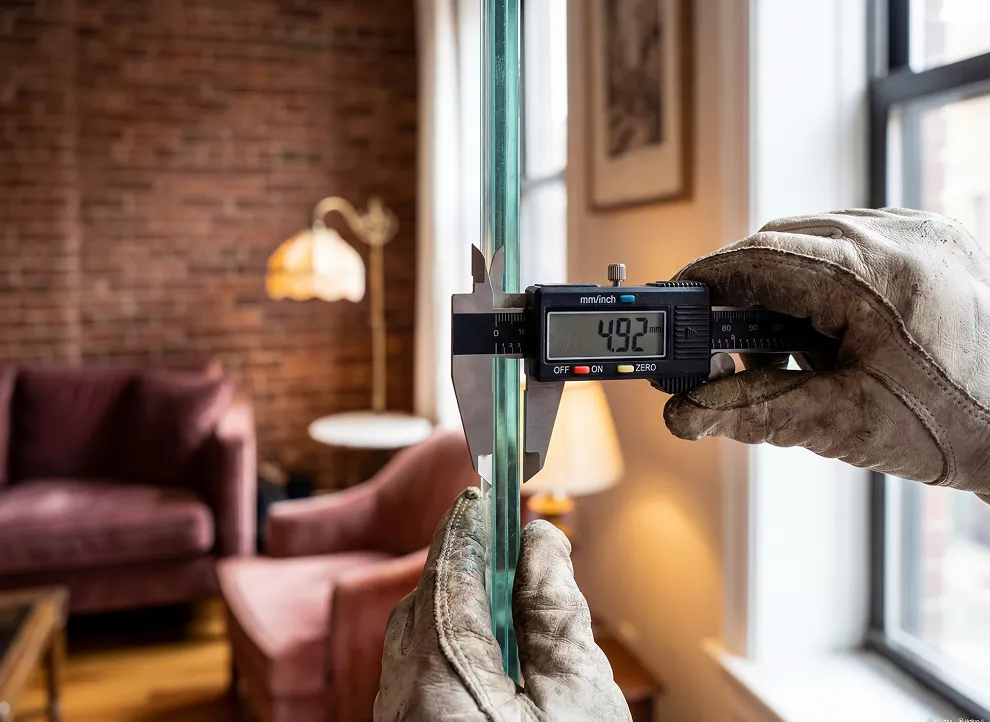
Precision glass matching
Using glass thickness gauges and coating detectors, we identify the exact glass type-annealed, tempered, laminated, or insulated. For double-pane glass replacement, we match the original IGU specs, including glass thickness, spacer width, Low-E coating, and gas fill.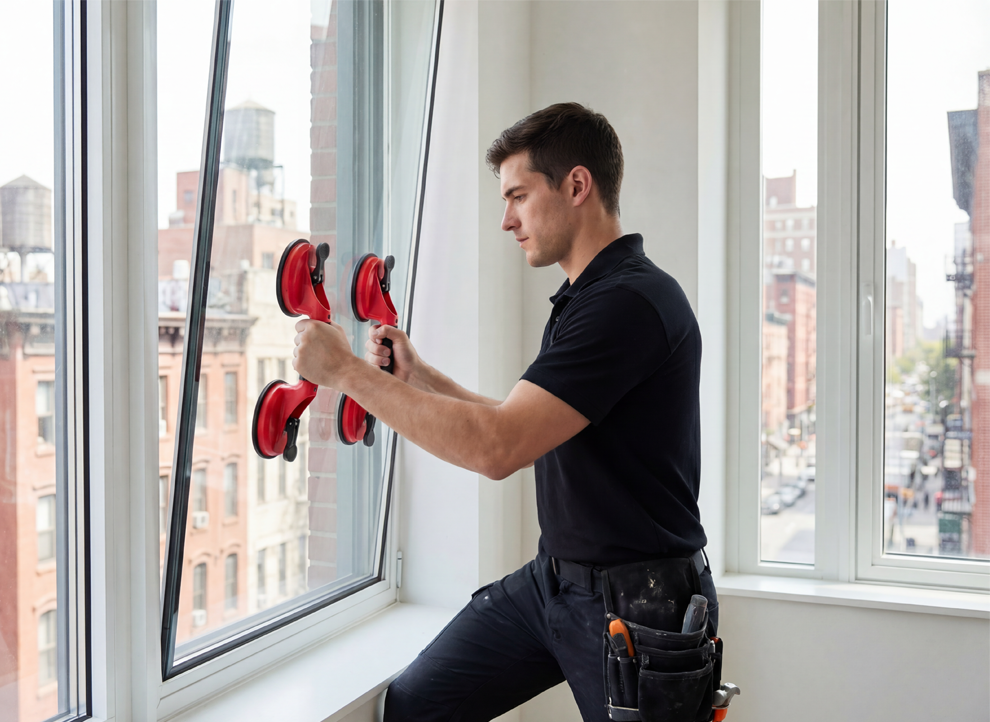
Surgical extraction & installation
We carefully remove only the broken glass or failed IGU, leaving your existing frames, stops, and trim intact. For window pane replacement, we remove glazing beads without damaging wood or vinyl. For residential window glass replacement, we protect interior finishes with drop cloths and contain all debris.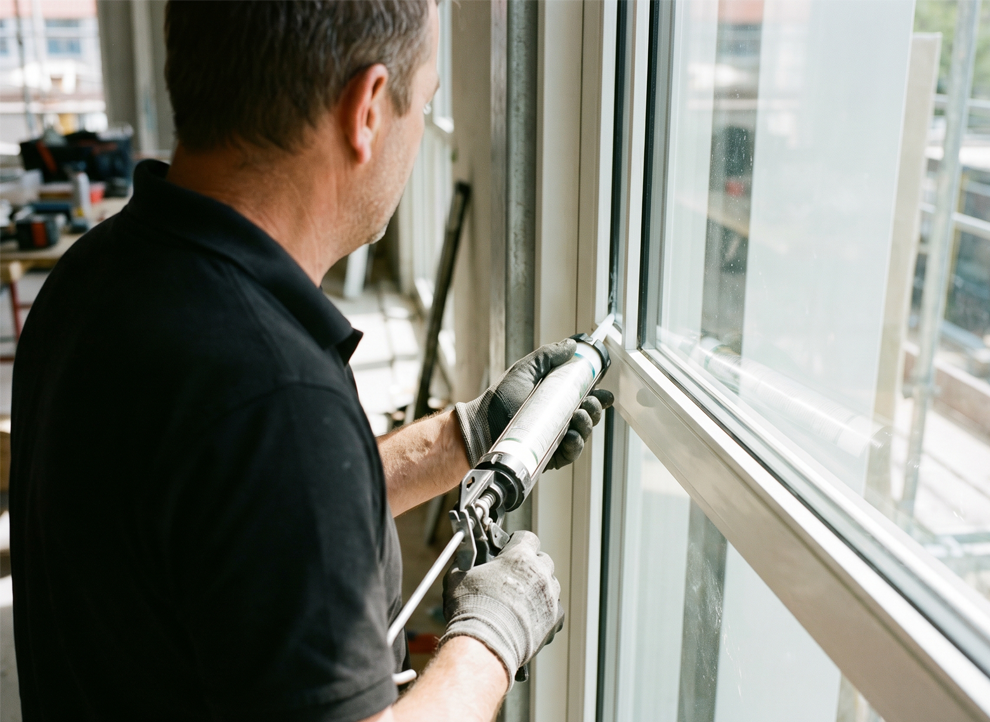
Code-compliant upgrade
We install new glass that meets NYC building codes-tempered safety glass where required, laminated glass for ground-floor units, and insulated units with dual-seal systems for improved energy performance. For emergency window repair, we can provide temporary boarding and return for permanent glass replacement within 24–48 hours.Big Apple Window Company at work
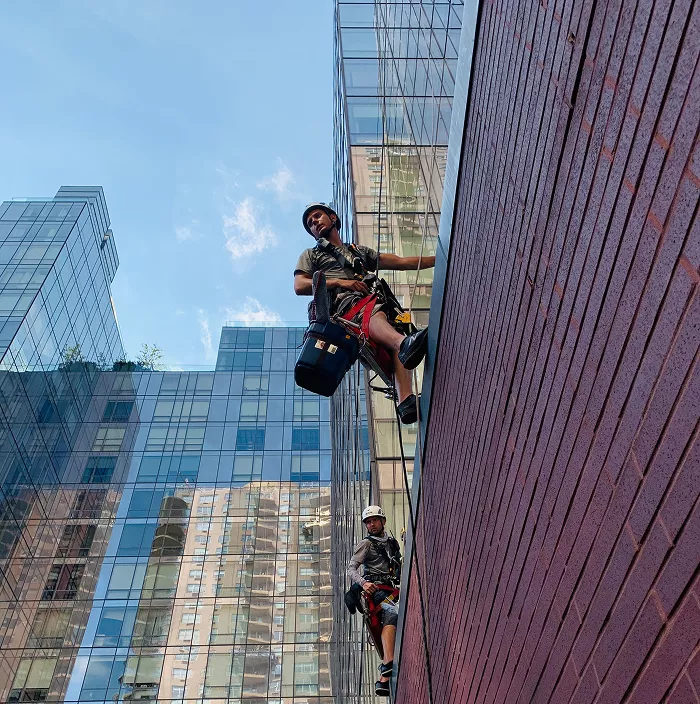
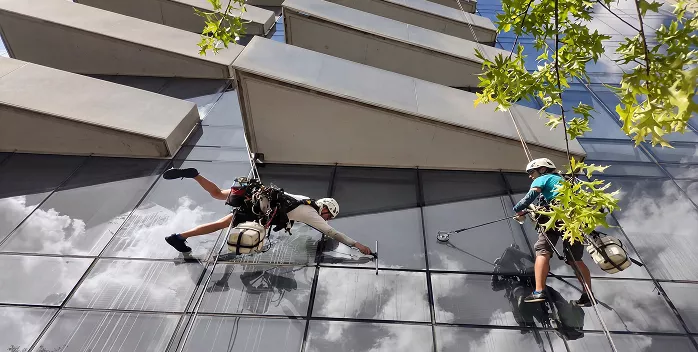
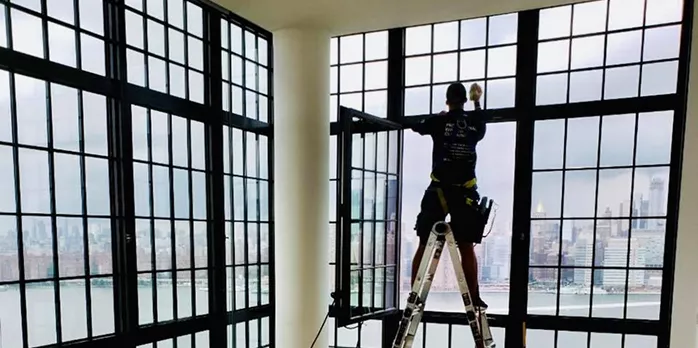
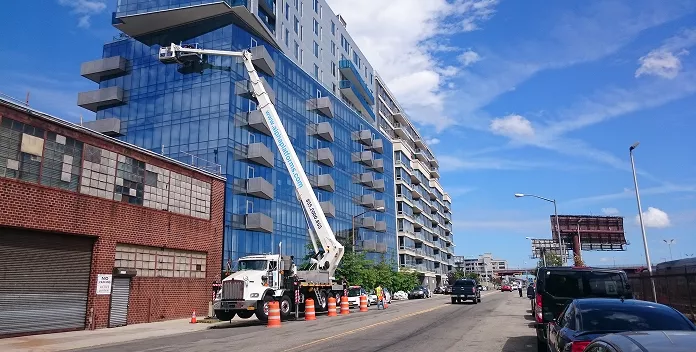
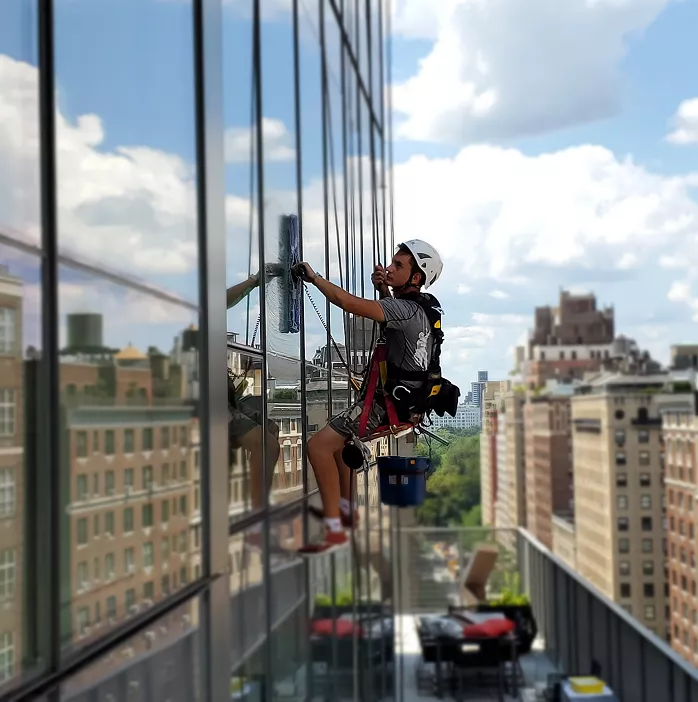
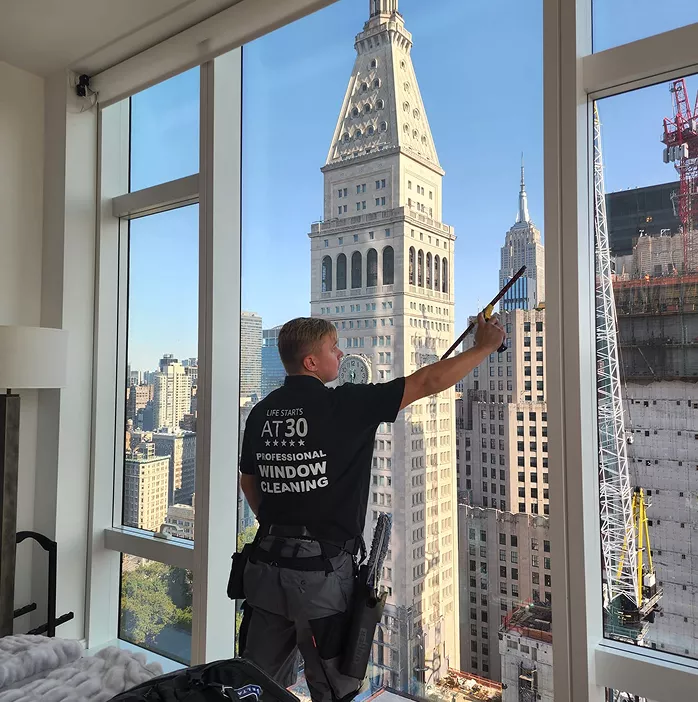
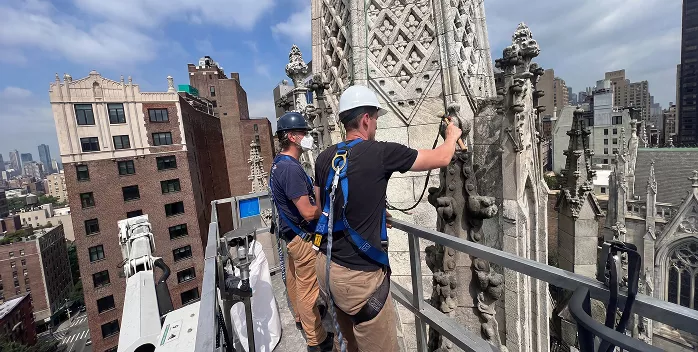
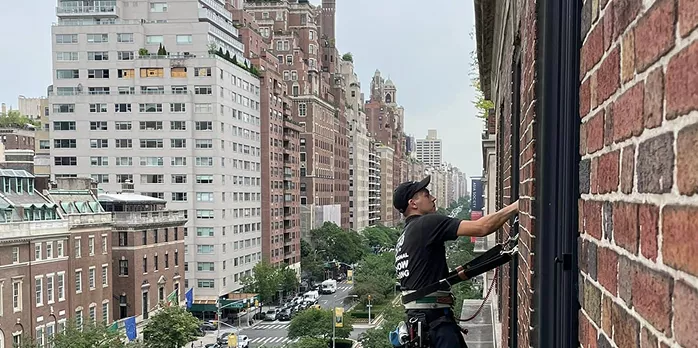
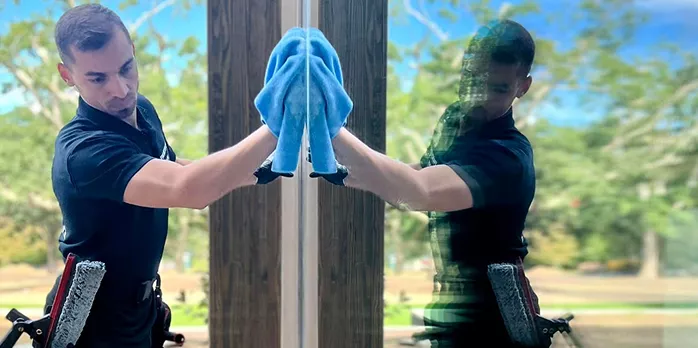
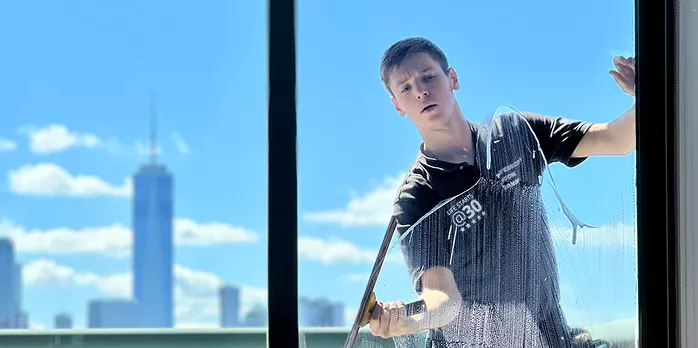
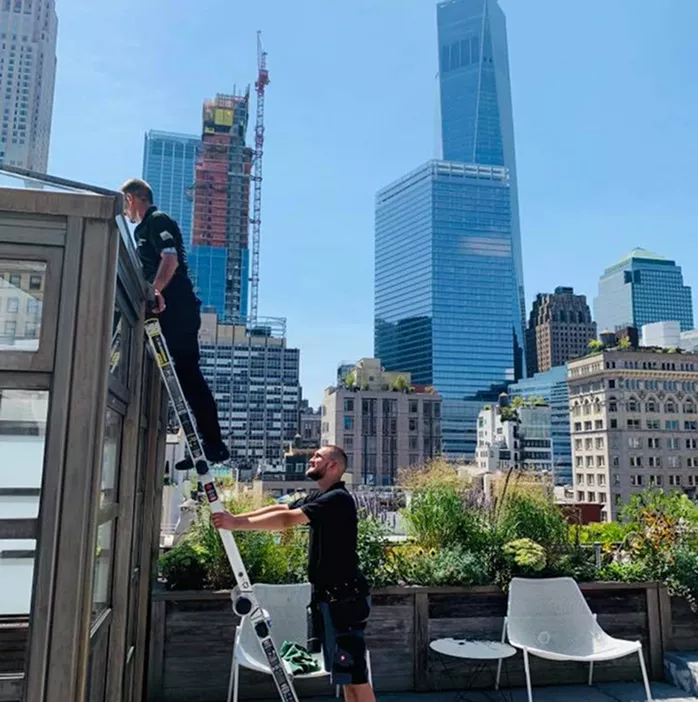
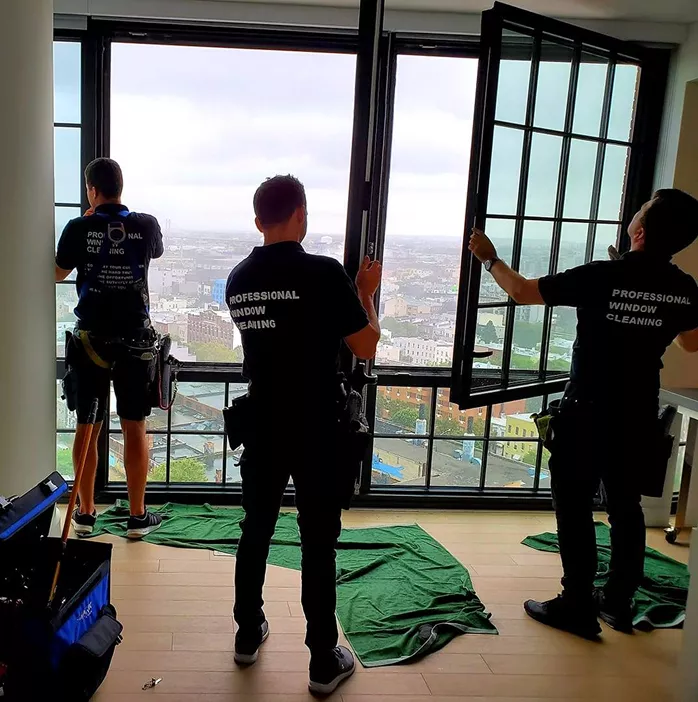
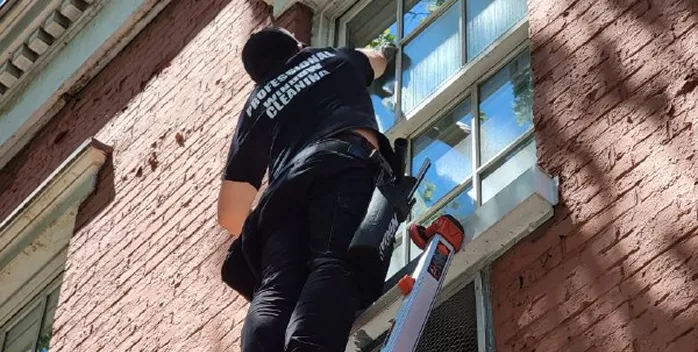
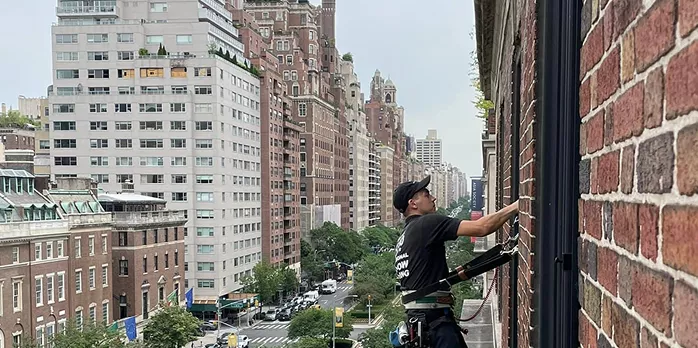
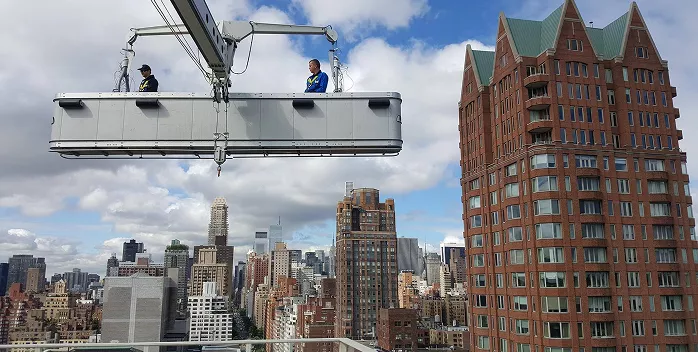
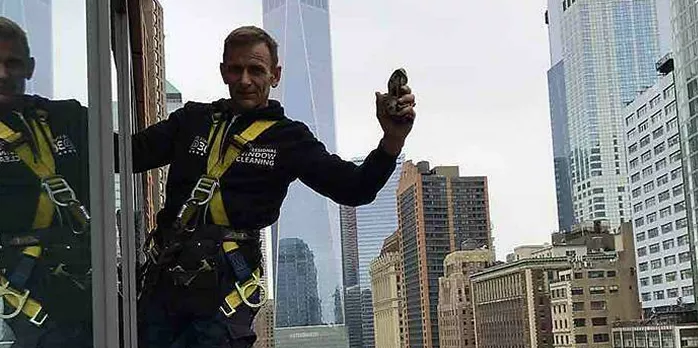
More than 2 decades of experience in property maintenance.

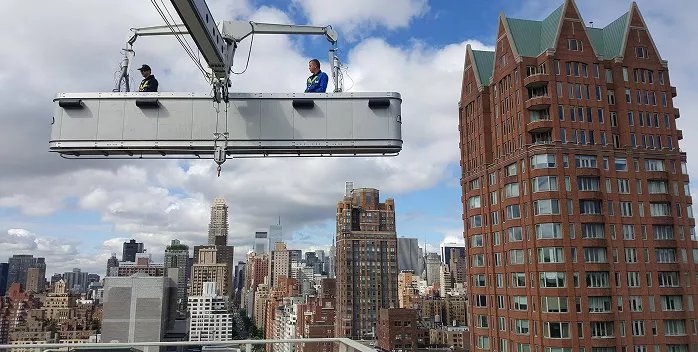
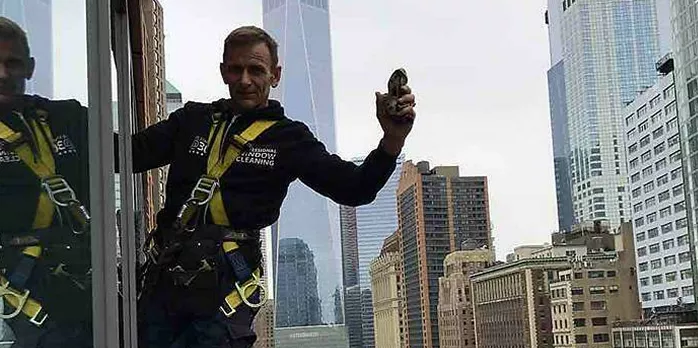

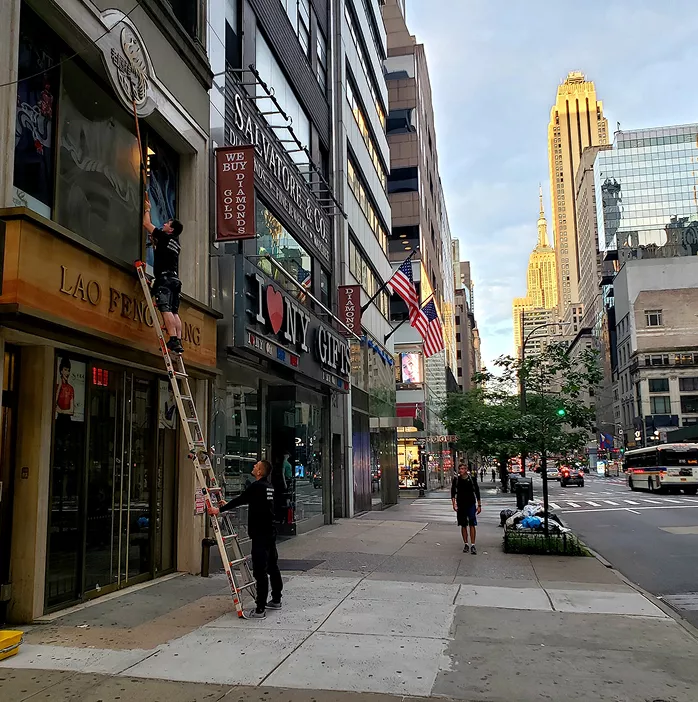
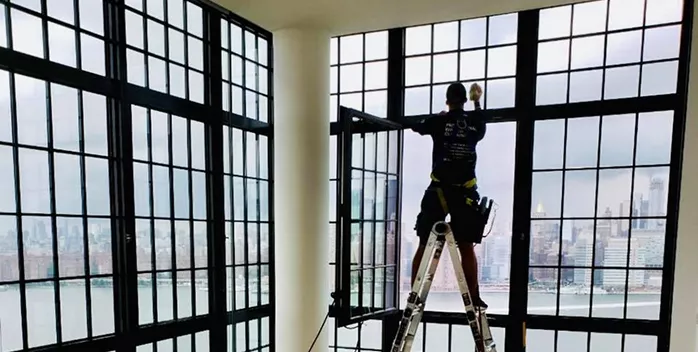

Restore safety and clarity
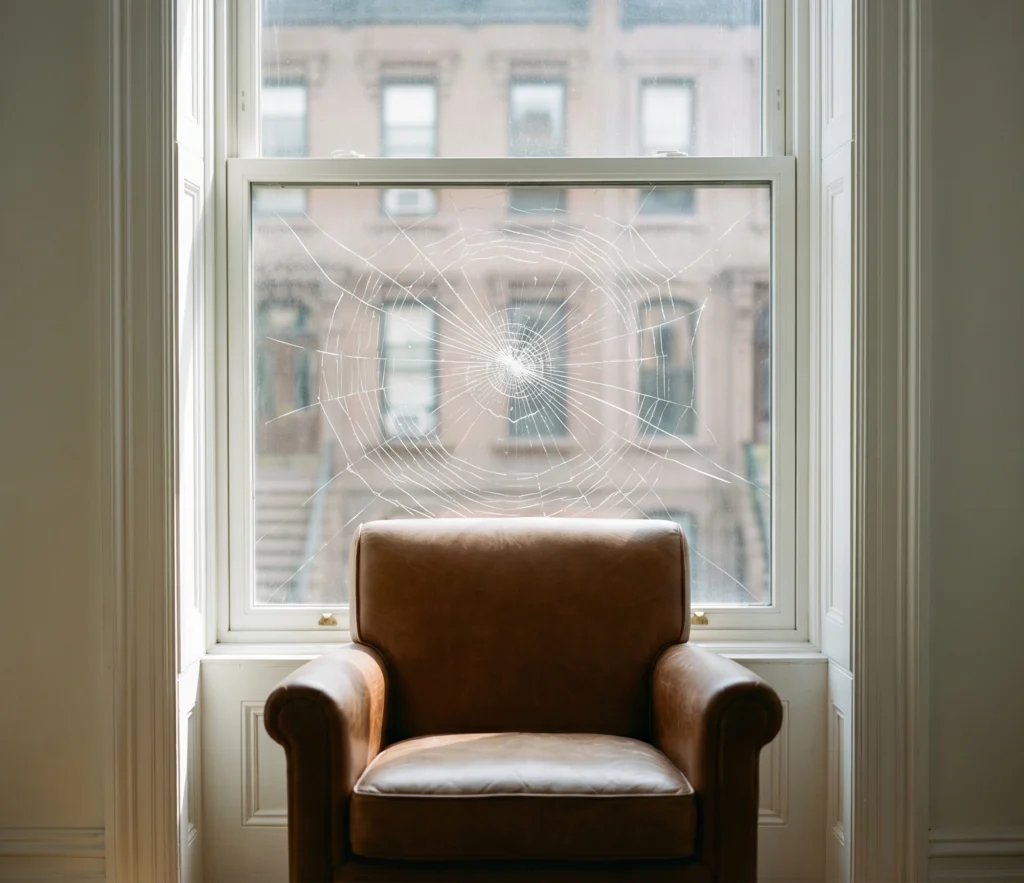
See the difference. We replaced the broken glass and restored safety and security while preserving the original frames and architectural details.

 BEFORE
 AFTER
AFTER
Engineering specifications & guarantees
We believe in clear specs and straight answers. Compare our materials, safety standards, and coverage with anyone in NYC.
Glass standards
Code-Compliant Safety Glass. For window glass replacement, we use CPSC 16 CFR 1201-certified tempered or laminated glass wherever required by code. For double-pane glass replacement, we install IGCC-certified insulated units with Cardinal or Guardian Low-E coatings and Argon gas fill for improved energy performance.
Glazing technology
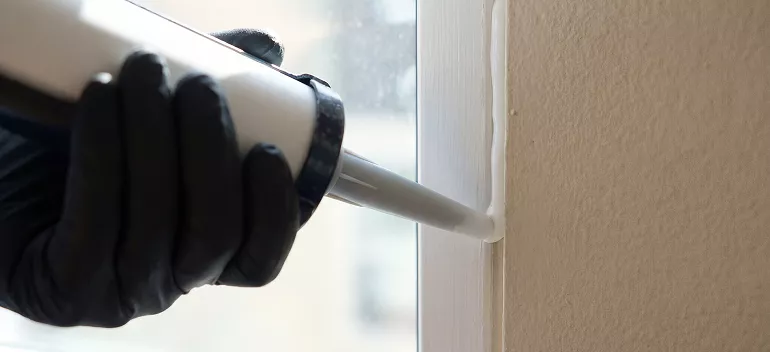
Structural-grade Sealants Only. We use Dow Corning or Tremco architectural-grade silicone for glass bedding and exterior sealing. For residential glass repair, we install compression gaskets and setting blocks that prevent glass-to-frame contact and allow proper thermal expansion. We do not use low-grade putty or latex caulk that breaks down in 2-3 years.
Warranty protection
2-Year Installation Warranty. If the window glass repair fails – because of seal leakage, installation stress, or glazing material failure-we come back and make it right. No service charge. No runaround. For double-pane units, this includes protection against seal failure that leads to fogging.

Risk management
$11 Million Umbrella Coverage. Your property is backed by strong liability coverage, including NY Labor Law protection with no “action over” exclusions. For high-rise commercial glass repairs, we coordinate with building management and use OSHA-compliant access equipment.

EXPERIENCE THE NEW STANDARD
Join 200+ landmark buildings and 10,000+ homeowners.
While we’re on-site
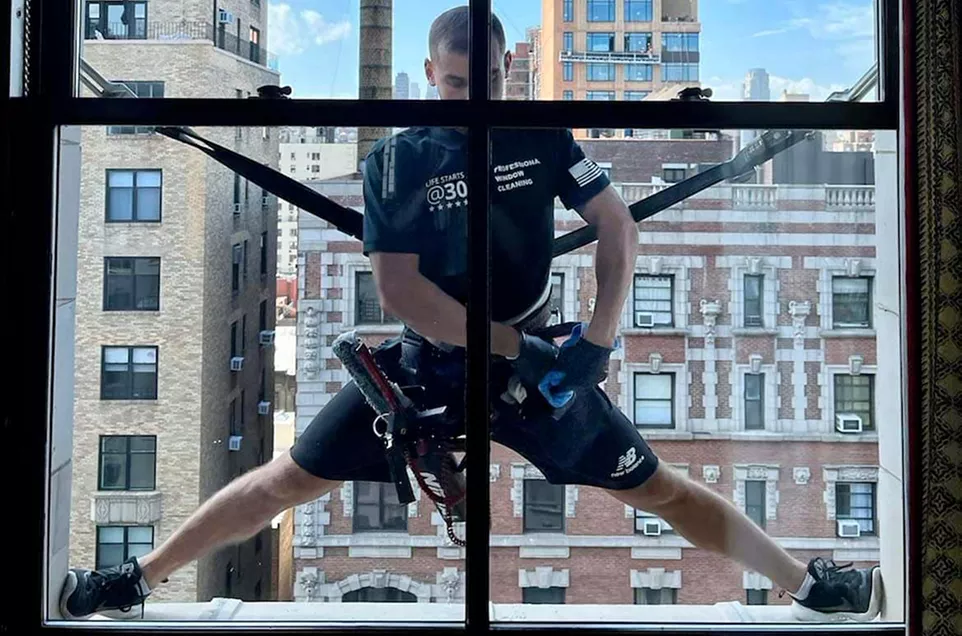
Our technicians are trained to spot façade issues while working on high-rise buildings.
Useful information
-
Can I replace just the glass in a window - without replacing the entire frame?
Absolutely – and it’s usually the smartest financial decision.
Window glass replacement (glass-only service) means removing the broken or failed glass pane while keeping your existing frame, sash, stops, and trim completely intact. This works for single pane windows, double pane windows, insulated glass units, and even specialty glass like tempered or laminated safety glass. The process saves 60-80% compared to full window replacement and avoids the mess of frame removal, drywall patching, and interior/exterior paint touch-up.
The key factors that determine if glass-only replacement is possible: frame condition (must be structurally sound, not rotted), accessibility (must be able to remove stops or glazing beads), and glass type availability (replacement glass must match or upgrade the original specs). In NYC, the vast majority of broken window glass situations are perfect candidates for glass-only service – even in pre-war buildings with custom sizes.
When frame replacement IS needed: If the frame is severely rotted, warped out of square, or the window opening needs resizing, then glass-only won’t work. But those scenarios are the exception, not the rule. A quick site assessment confirms whether your window qualifies for glass-only window glass repair – and in most cases, it does.
-
How much does it cost to replace window glass?
Cost varies widely based on glass type, size, and installation complexity – which is why phone quotes are often misleading.
Ballpark residential pricing (NYC, 2024):
- Single pane, standard size (24″×36″): $150-300 installed
- Double pane insulated unit, standard: $400-700 installed
- Large picture window IGU (60″×80″): $800-1,500 installed
- Tempered safety glass (required locations): +30-50% premium
- Custom shapes, antique glass matching: $600-2,000+
What drives the price:
- Glass type: Single pane is cheap. Insulated units (IGUs) cost more because you’re buying a factory-sealed assembly with spacers, gas fill, and dual panes.
- Size: Glass is priced per square foot – larger panes cost exponentially more due to handling difficulty and breakage risk.
- Access: Ground floor window with easy interior access costs half what a 15th-floor exterior scaffold job costs.
- Urgency: Emergency same-day service typically carries a premium vs. scheduled window pane replacement.
- Code requirements: Safety glass (tempered/laminated) where mandated by code costs more than standard annealed glass.
The most accurate approach: request an on-site assessment. We measure the exact opening, identify the glass specifications, confirm frame condition, and quote the real scope – not a phone guess that’s “subject to change upon arrival.” This prevents surprise upcharges and ensures you’re comparing apples to apples when evaluating contractors.
-
Can a crack in a window be repaired - or does it always need replacement?
It depends on crack size, location, and glass type – but most window cracks require replacement, not repair.
Crack scenario Can it be repaired? Recommended action Hairline crack, edge of pane, single pane glass Sometimes (temporary only) Replace – crack will propagate Crack crossing center of glass No Replace immediately (safety risk) Cracked window panes in double pane unit No Replace entire IGU (seal is compromised) Chip or small star crack (<1″ diameter) Possibly (temporary stabilization) Monitor or replace before spreading Crack reaching edge of glass No Replace – structural integrity lost Tempered glass crack (spiderweb pattern) Never Replace immediately (glass will shatter) Why most cracks can’t be truly “repaired”: Glass is a solid, not a material that can be re-bonded at the molecular level. “Repair” kits use resin to fill the crack and reduce visibility, but they don’t restore structural strength. Temperature cycling causes the crack to grow beneath the resin. In double pane window repair scenarios, any crack compromises the hermetic seal – moisture will enter the air space and cause fogging even if the visible crack is “filled.”
When repair makes sense: As a temporary emergency measure to stabilize the glass until replacement can be scheduled, or for tiny chips that haven’t cracked through the full thickness. For anything else, window glass replacement is the only permanent, safe solution. If your window has a crack and you’re unsure whether it’s repairable, a technician can assess it in seconds and prevent you from wasting money on ineffective DIY kits.
-
Can I fix a window crack myself - and should I?
You can attempt DIY window crack repair – but the results are usually disappointing and sometimes create bigger problems.
DIY glass repair kits (sold at hardware stores for $10-30) use UV-activated resin injected into the crack. They work marginally well for tiny chips in auto windshields but perform poorly on residential window glass for several reasons:
Why DIY usually fails:
- Access issues: Most kits require applying vacuum pressure from both sides of the glass, which is impossible if the crack is on an exterior-facing pane or in a double pane unit.
- Temperature sensitivity: Resin curing requires specific temperature ranges. In NYC’s climate extremes, the resin often doesn’t cure properly or cracks out within weeks.
- Crack propagation: Unless you drill “stop holes” at each end of the crack (a delicate operation requiring diamond bits), the crack continues growing from thermal stress. Your “repair” just slows it down temporarily.
- Cosmetic failure: Resin-filled cracks remain visible – often more visible than the original crack due to refractive index differences and trapped air bubbles.
When DIY makes sense: For small chips (smaller than a dime) on non-critical windows as a temporary measure until you can schedule professional window glass replacement. For anything larger, crossing multiple inches, or on cracked window panes in insulated units, DIY is wasted effort.
The “making it worse” risk: Drilling stop holes incorrectly can cause the entire pane to shatter. Applying too much injection pressure can cause the crack to run. If you’re dealing with broken window glass that’s still mostly intact, attempting repair and causing complete failure turns a scheduled replacement into an emergency board-up situation. If you’re uncertain, a professional assessment costs nothing and prevents expensive mistakes.
-
Do glass repair kits really work - or are they just a temporary fix?
Short answer: they’re temporary at best, and often don’t work at all for residential window glass.
Glass repair kits are designed primarily for auto windshields – specifically, small chips from road debris that haven’t cracked through the full glass thickness. Even in that ideal scenario, they’re a cosmetic improvement, not a structural repair. The crack remains; it’s just filled with clear resin to reduce visibility.
For home window glass repair, the success rate is even lower because:
- Home windows experience greater temperature swings than auto glass (no climate control when you’re not home)
- Home windows are thinner (often 1/8″ vs 1/4″+ windshield laminate), so cracks penetrate fully
- You typically can’t access both sides of the glass to apply proper vacuum pressure
- Double pane windows have sealed air spaces – any crack compromises the seal regardless of surface “repair”
What happens after a “successful” DIY repair: The resin-filled crack looks slightly better for 2-6 months. Then temperature cycling causes the crack to continue propagating around or through the repair. The resin yellows or becomes cloudy. In insulated units, moisture enters the air space and causes fogging that can’t be wiped away. You end up needing window glass replacement anyway – you’ve just delayed it while living with a compromised, ugly window.
Bottom line: If the window is cracked enough to consider repair, it’s cracked enough to need replacement. Glass repair kits are a $20 gamble that almost always loses. Professional window crack repair assessment is free and gives you the real answer about whether your window is salvageable or needs new glass.
-
How to fix cracked window glass without replacing it - is there a permanent solution?
There isn’t a permanent non-replacement solution – and attempting one often makes things worse.
This is the question every homeowner asks when they discover a cracked window pane, because replacement feels expensive and disruptive. The answer people want to hear is “yes, there’s a magic product that will make it disappear.” The truth: glass damage is permanent at the molecular level. Once the structural bonds are broken, no product can restore them.
Why “fix without replacing” doesn’t work: Glass isn’t like wood (which can be glued and clamped) or metal (which can be welded). It’s an amorphous solid with no grain structure to re-bond. When glass cracks, you’ve created a permanent weakness. The crack will continue growing from thermal stress, wind pressure, and vibration – filling it with resin only masks the appearance temporarily.
The “clear nail polish” myth: This old fix-it folklore suggests painting clear polish over the crack. It does nothing structurally and actually accelerates crack growth by creating stress concentration as the polish shrinks during curing.
The “tape it” approach: Clear packing tape can temporarily hold a badly cracked pane together and prevent pieces from falling out – useful as an emergency measure before window glass replacement. But it’s not a “fix”; it’s damage control.
The “ignore it” gamble: Some homeowners live with cracked glass for months or years, hoping it won’t get worse. Sometimes it doesn’t. More often, the crack propagates during the next temperature swing, causing complete failure. In double pane units, cracks always lead to seal failure and fogging – it’s just a matter of time.
The only permanent fix: New glass. The good news: window glass replacement doesn’t mean replacing the entire window. Glass-only service keeps your frames, saves 60-80% vs full replacement, and restores safety and efficiency. If cost is the concern holding you back, get an actual quote – you’ll probably find it’s far less than you feared.
-
Does window crack repair work - and when is it worth trying?
It works temporarily in very limited scenarios – but it’s rarely worth the effort for residential glass repair.
When crack repair might be worth attempting:
- Tiny chip (<1/4″ diameter) that hasn’t cracked through the full glass thickness
- Single pane window in a non-critical location (garage, basement, shed)
- You need a temporary stabilization while waiting for scheduled window glass replacement
- The window is extremely custom/expensive and you want to delay replacement as long as possible
When crack repair is definitely not worth it:
- Any crack in double pane windows (seal is already compromised)
- Cracks longer than 2-3 inches (will continue propagating regardless of repair)
- Tempered glass damage (tempered glass cannot be repaired – any attempt causes full shattering)
- Cracks crossing the center of the pane (structural weakness creates safety risk)
- Windows in bedrooms or egress-required locations (code compliance issues)
The cost-benefit math: Professional window crack repair (if anyone even offers it) costs $100-200. DIY kits cost $15-30. But the “repair” typically lasts 3-12 months before the crack grows and the window needs replacement anyway. Window glass replacement costs $150-700 depending on type and size – and it’s permanent. Spending $100 on a repair that buys you 6 months means you’ll spend $100 + $400 (replacement) = $500 total, when you could have just spent $400 and been done.
The professional perspective: We assess cracked window panes daily, and our honest recommendation is almost always replacement. Not because we don’t offer repair (we could), but because repair is genuinely a poor value. The rare exceptions are situations where the window is impossible to replace immediately (awaiting custom glass fabrication, historic restoration approval, etc.) and temporary stabilization is needed. For standard residential windows, skip the repair experiment and go straight to permanent window glass replacement.
