

Solar panel cleaning in NYC
Restore PV output and protect your investment with safe, streak-free rooftop solar panel cleaning.
Peak Output remove urban soot to restore maximum energy yield
Damage-Free pure water protects delicate solar coatings
Roof Experts OSHA-certified teams for safe rooftop access
$11M Coverage strong liability coverage for your property
Why solar panels
lose output in NYC
It’s not just dirt. It’s lost output caused by city conditions and rooftop exposure.
URBAN FILM AND AIRBORNE PARTICLES IN NYC
Dust, soot, and pollen create a thin film that blocks light from reaching solar cells. It builds faster on low-slope arrays and parapet-protected roofs.
THE HIDDEN COSTS OF WAITING:
Lower Production:
A dirty array produces less – the system works, but doesn’t reach full output.
Premature Wear:
Grit and improper tools can scratch the surface and stress edges, brackets, and seals.
Roof Risk:
DIY attempts often create rooftop safety issues and can damage flashing, cables, or mounts.
THE BIG APPLE PV care protocol
We clean photovoltaic panels with controlled water, the right tools, and the access method your building requires.
Schedule a site visit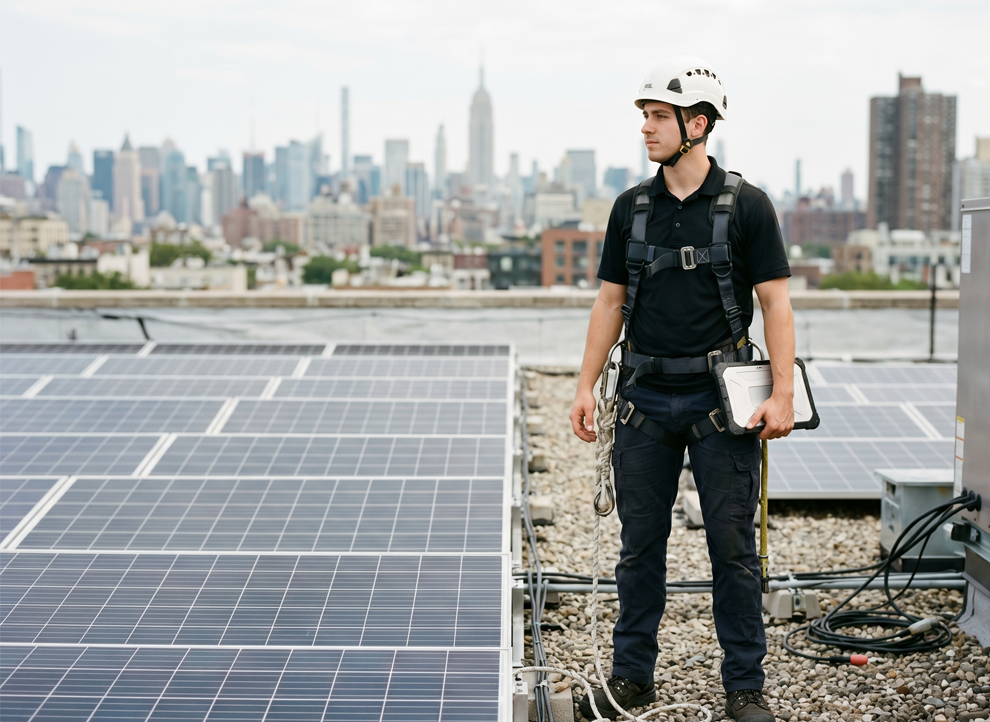
Array assessment and access plan
We identify panel layout, pitch, edge conditions, and safe approach routes. Rooftop work in NYC starts with planning, not improvisation.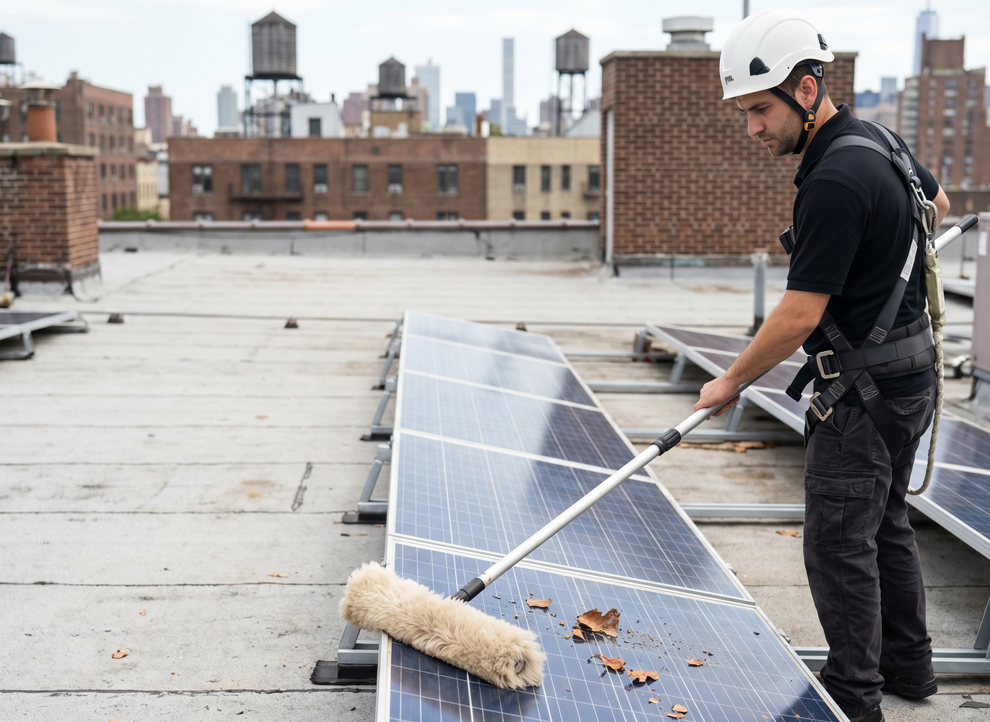
Dry debris removal first
We remove loose grit and organic debris before washing. This prevents fine scratches and keeps debris from dragging across the glass.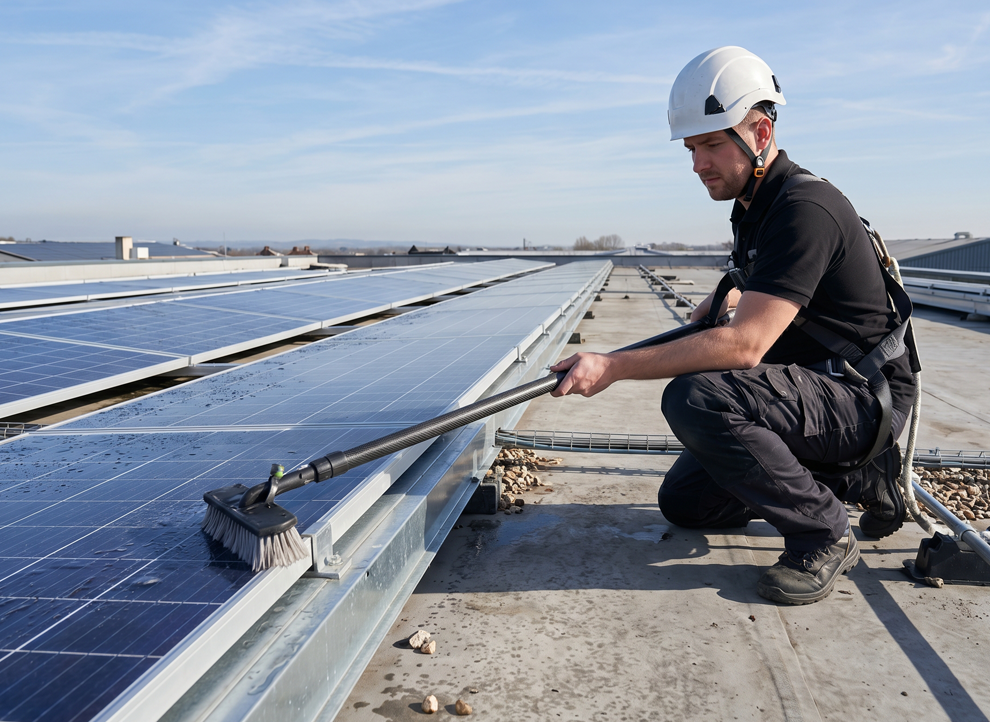
Edge and hardware detailing
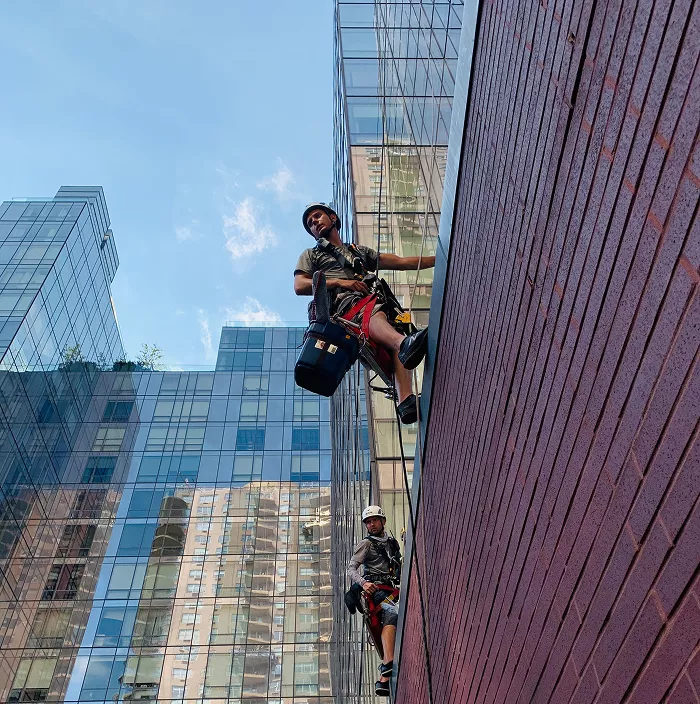
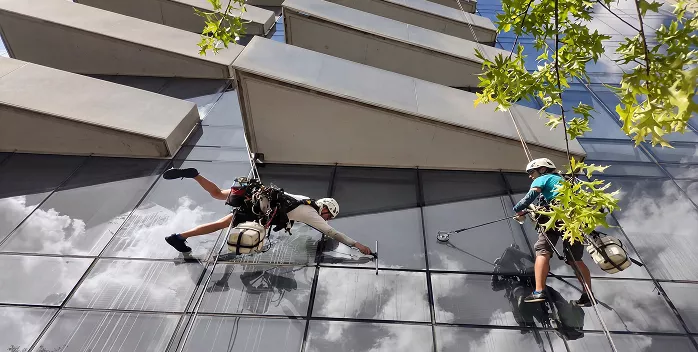
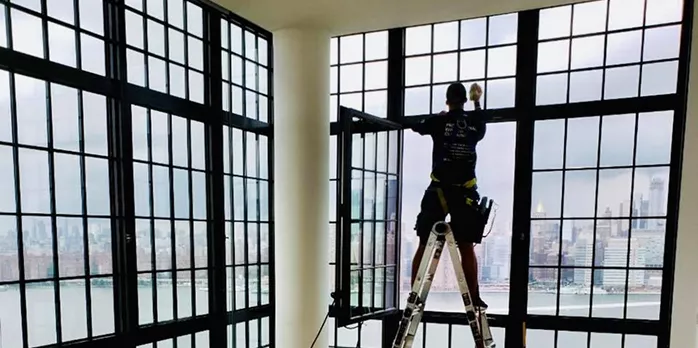
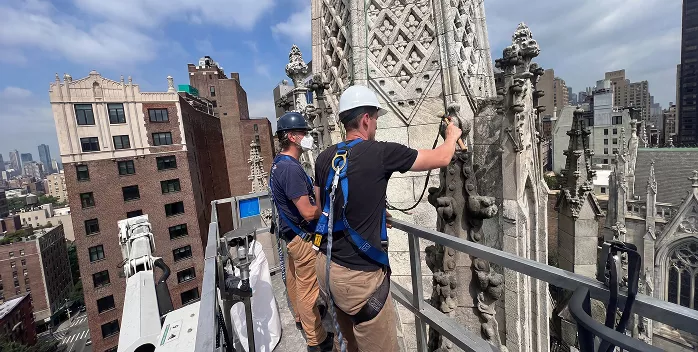
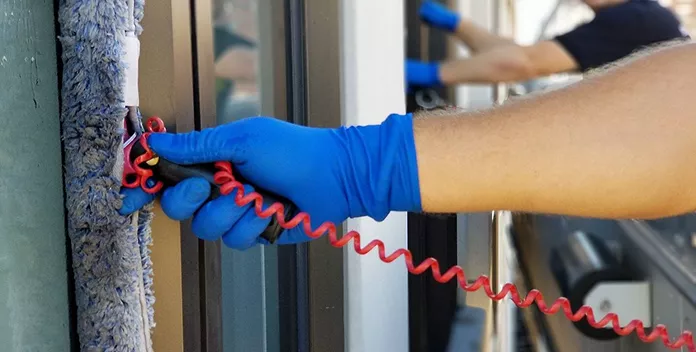
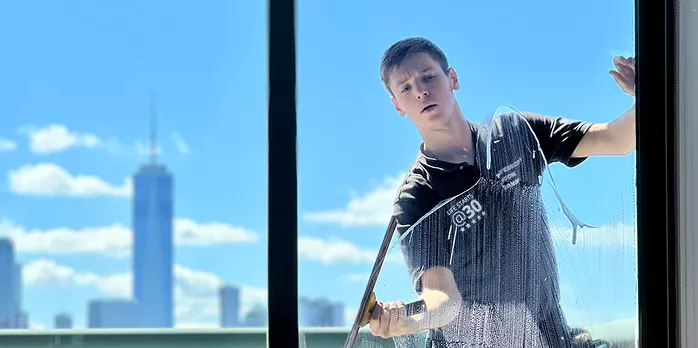
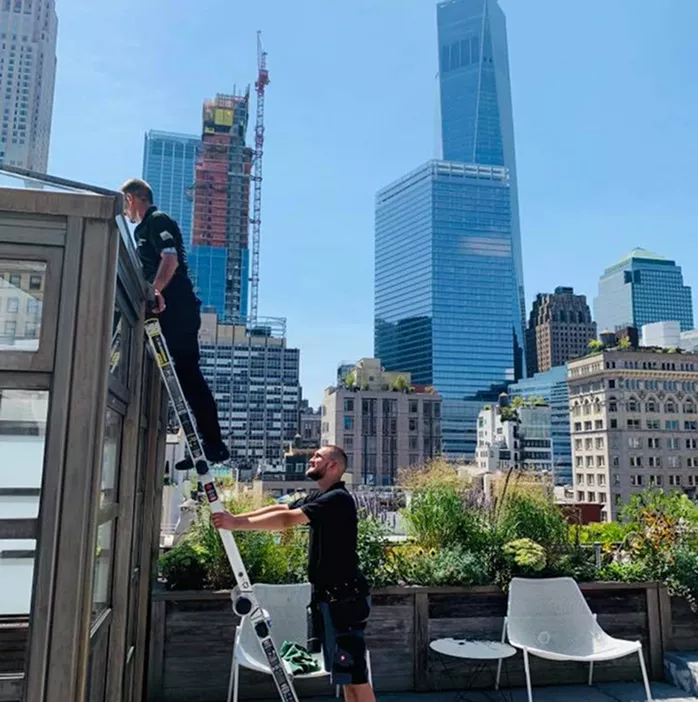
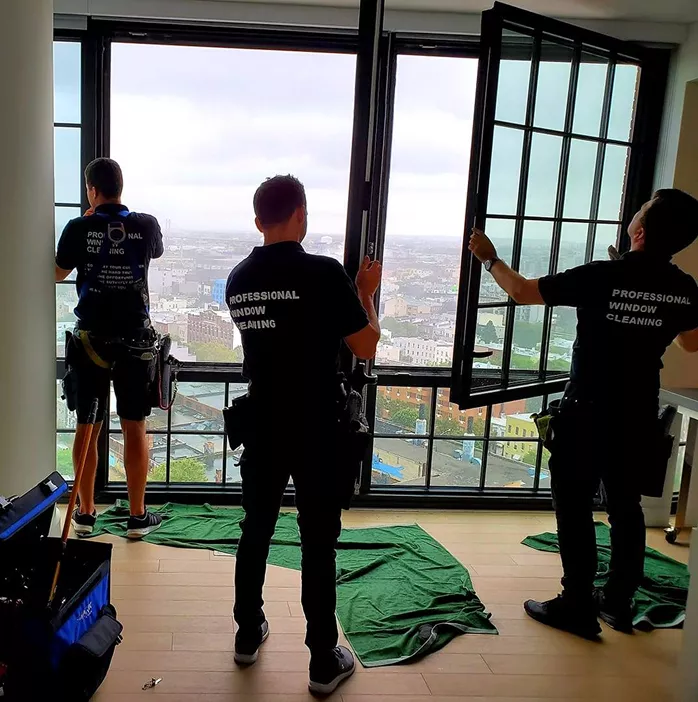
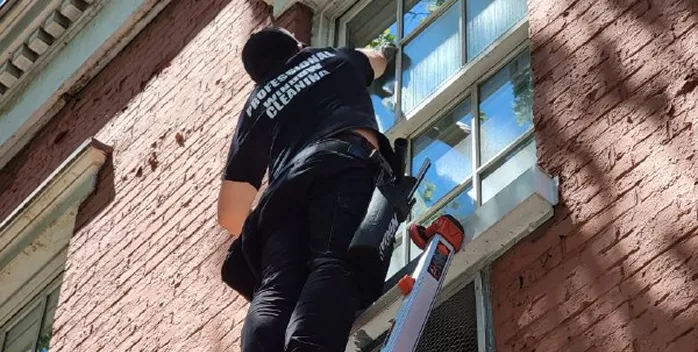
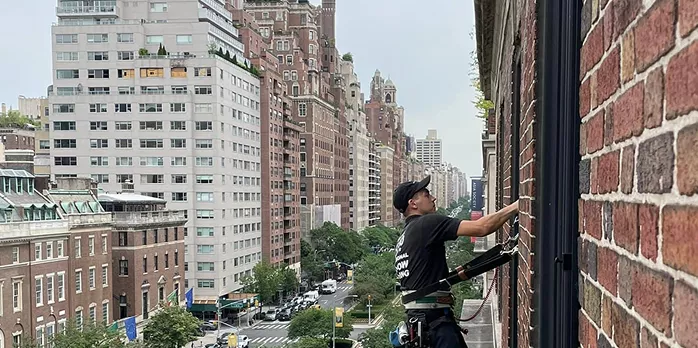
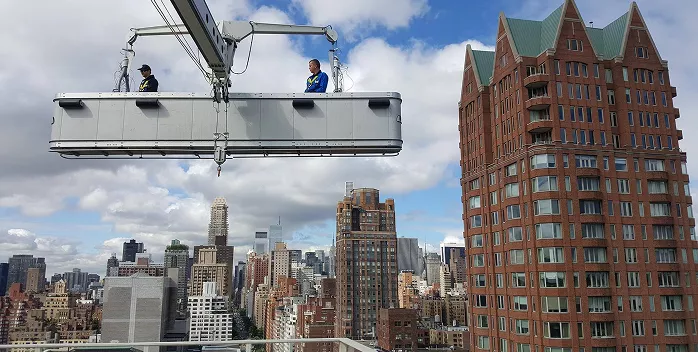
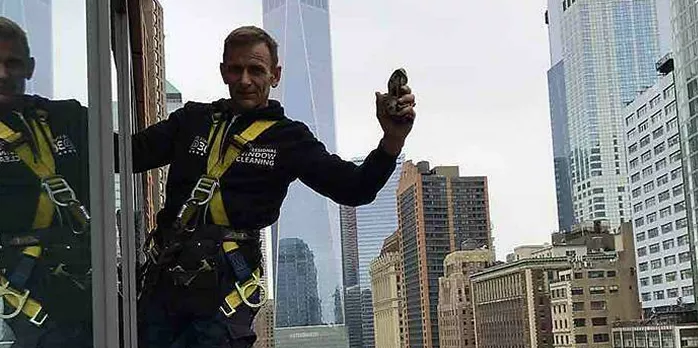
We clean along panel edges and around mounting rails without putting stress on cables or seals.Big Apple Window Company at work
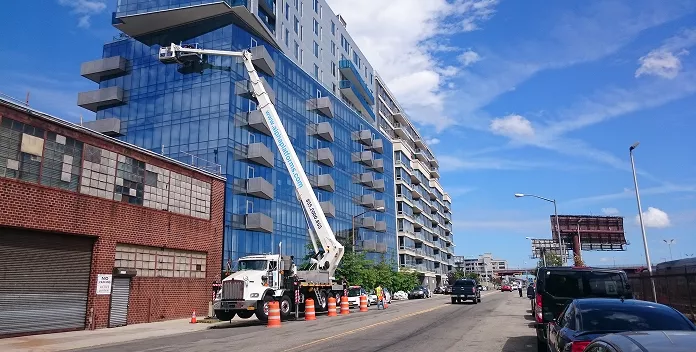
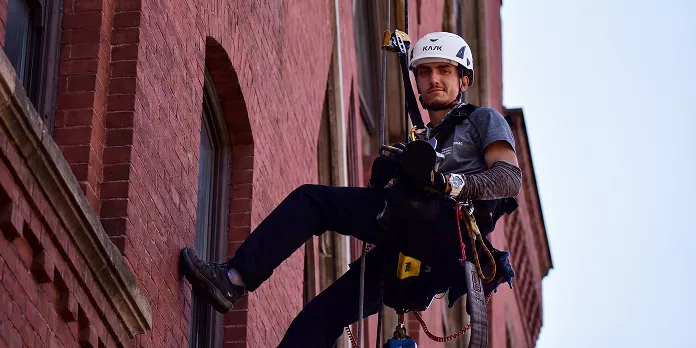
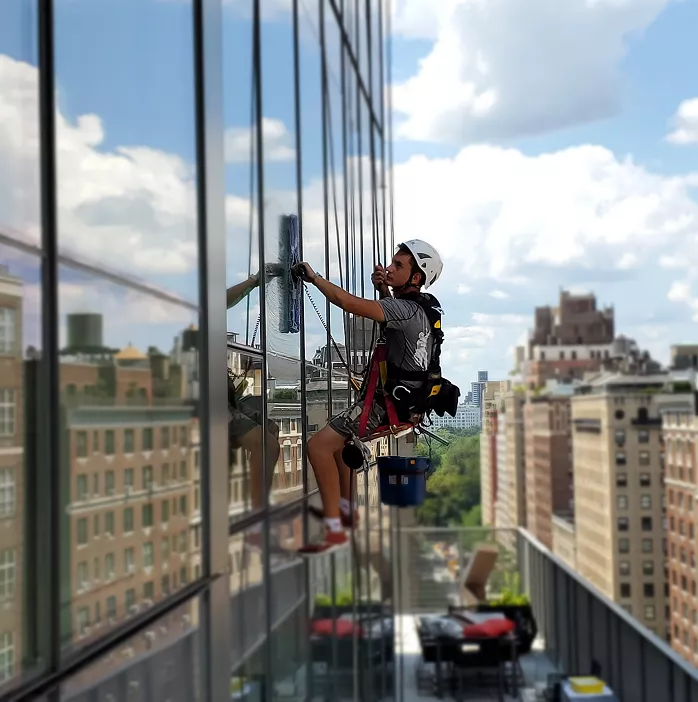
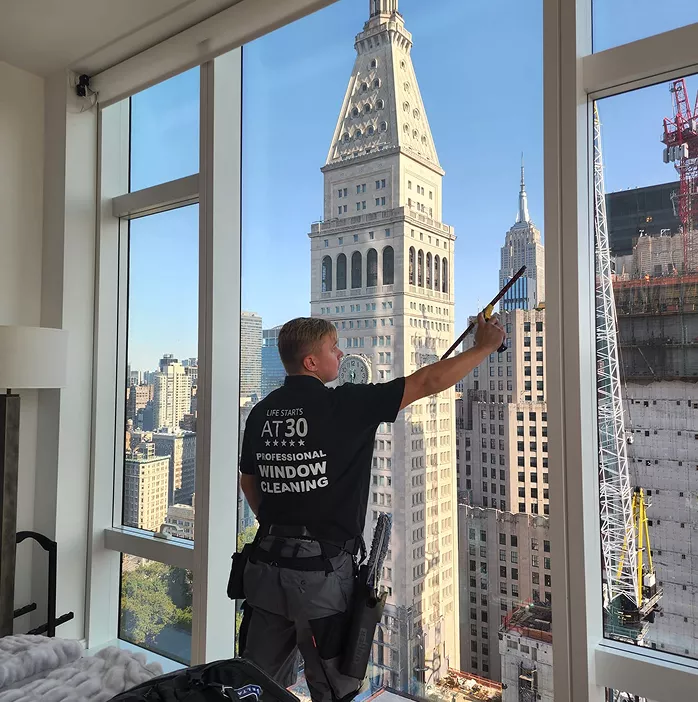
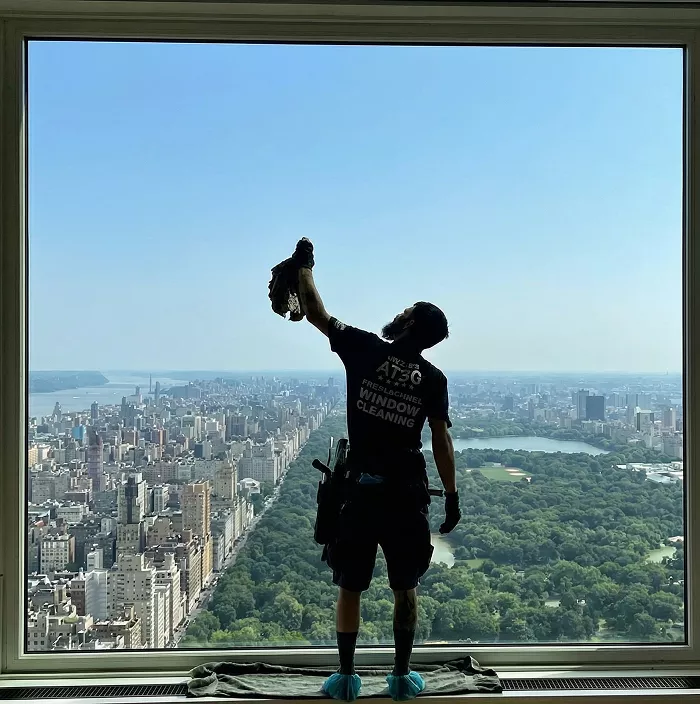
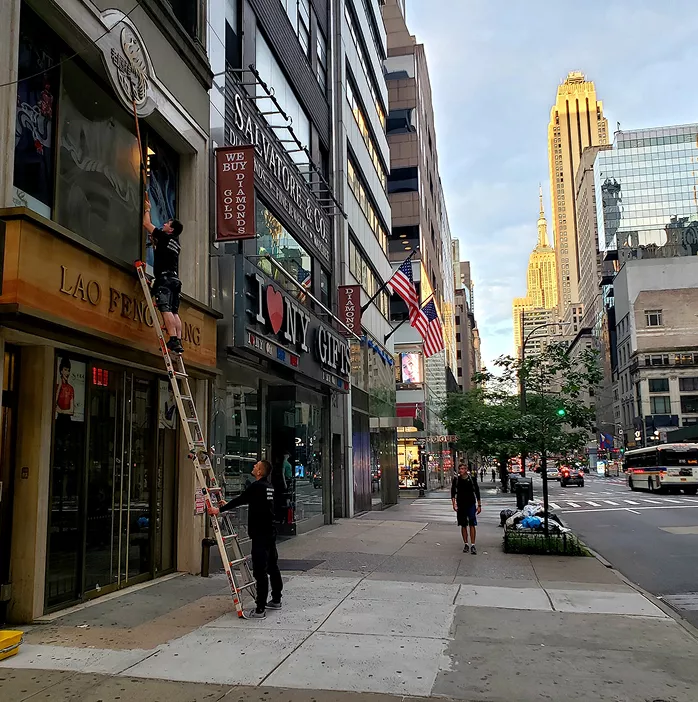
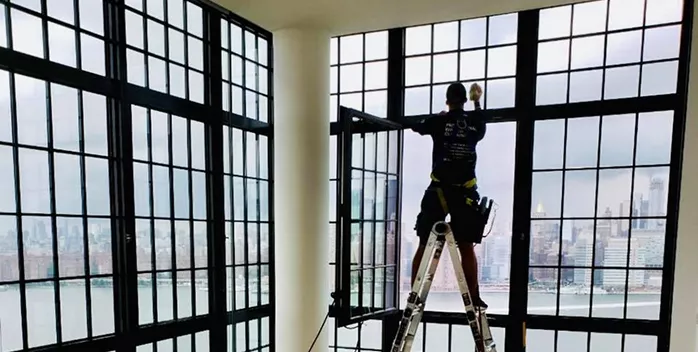
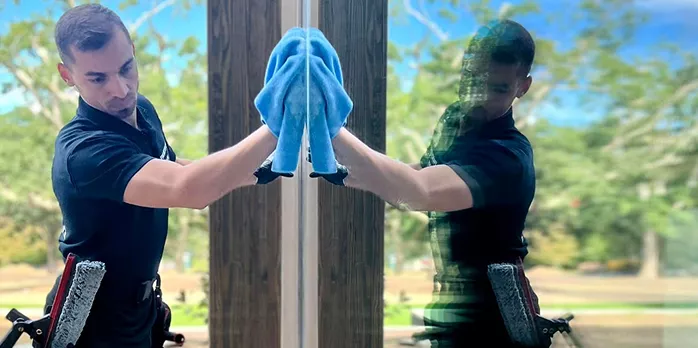
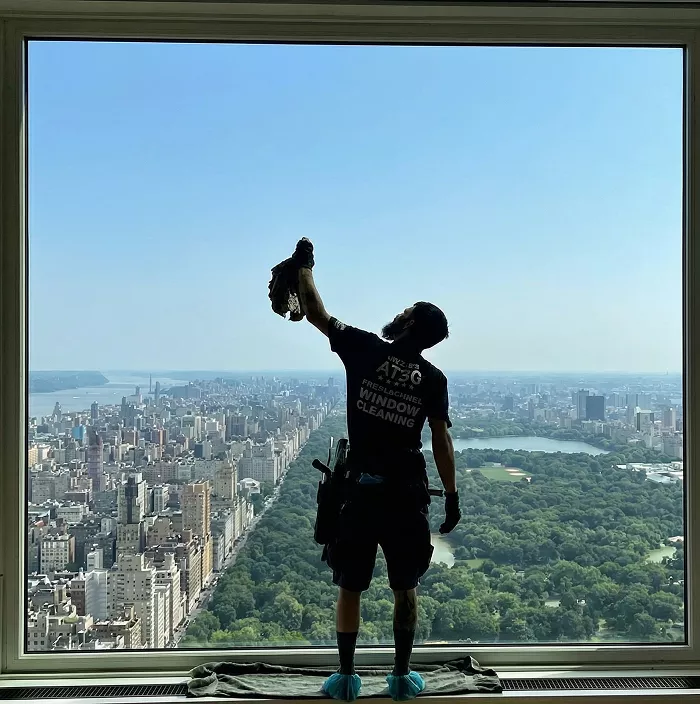
More than 2 decades of experience in property maintenance.
Performance restored
Real NYC rooftop conditions. Real before-and-after improvement in appearance and light transmission.

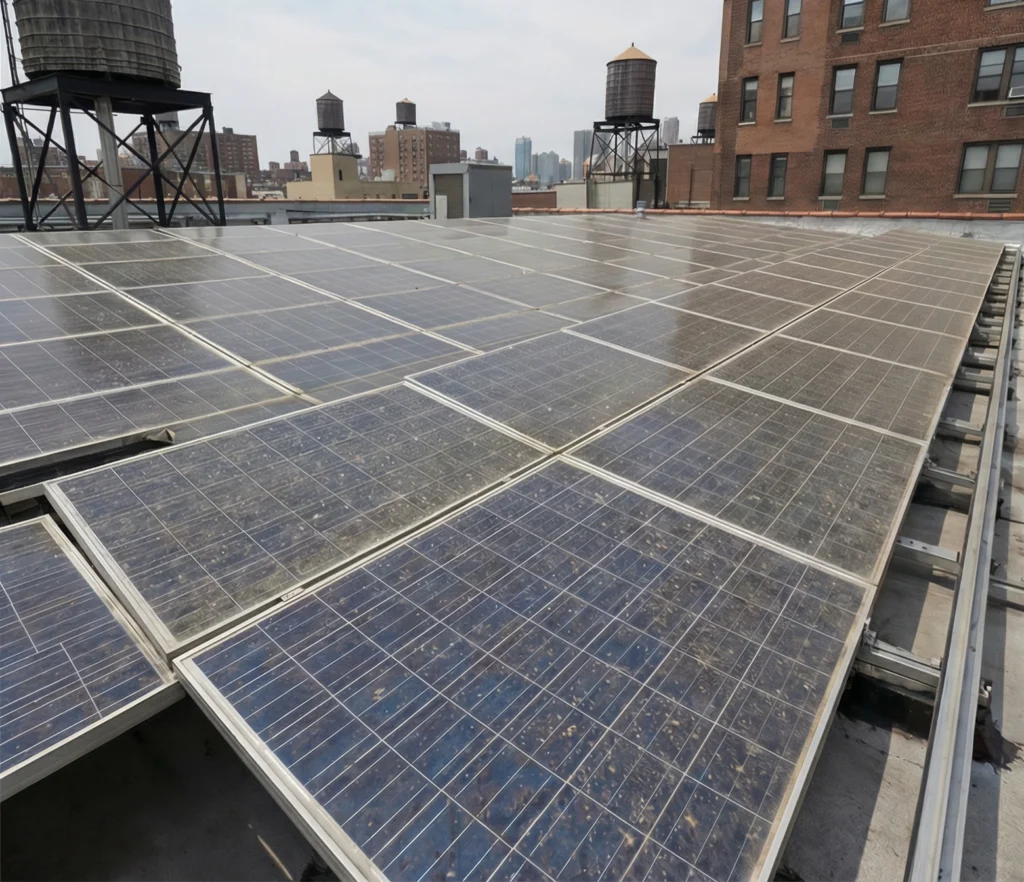 BEFORE
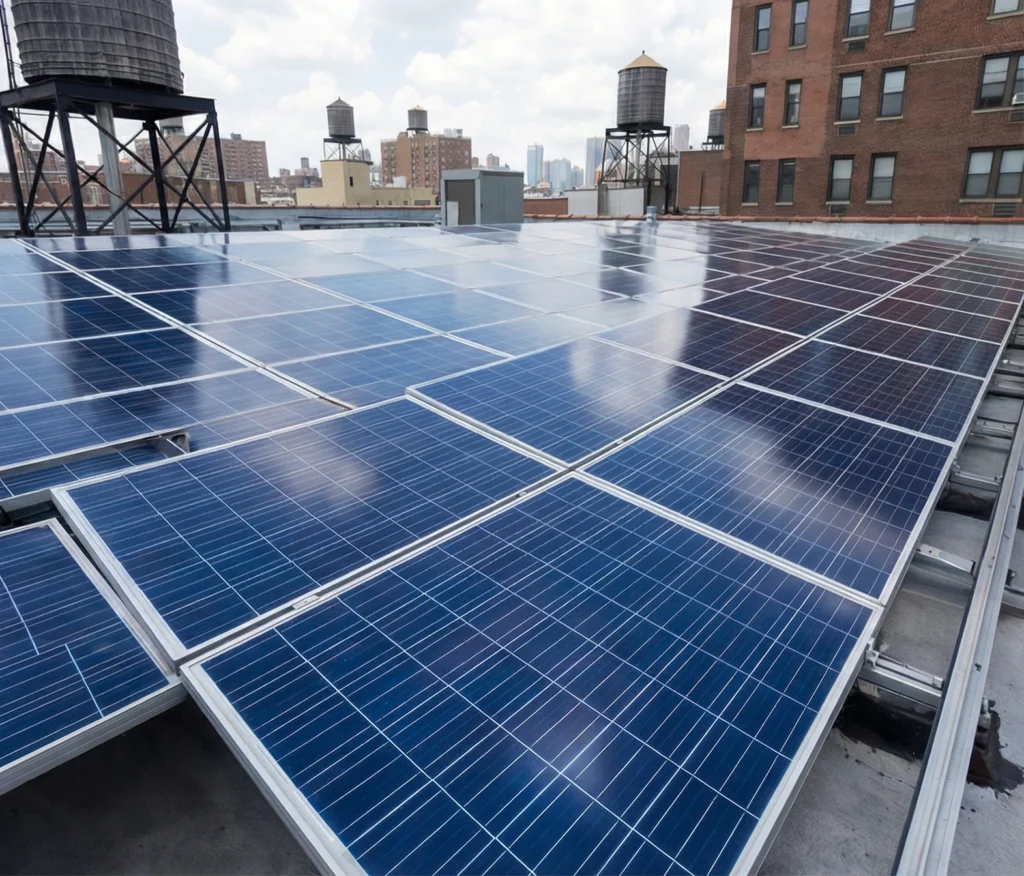 AFTER
AFTER
Technical standards & guarantees
Compare our process against any solar panel cleaning company in NYC.
PV-safe cleaning
Soft brushes and purified water methods designed to protect photovoltaic glass and coatings – no abrasive pads.

access and safety
OSHA-aligned field practices and job planning for rooftops, setbacks, and elevated work zones.
Liability coverage
$11M coverage for residential and commercial solar panel maintenance services.
No shortcuts
We avoid pressure blasting on panels – controlled cleaning protects seals, frames, and surrounding roof details.

EXPERIENCE THE NEW STANDARD
Book a site visit and get a clear plan for your solar panel cleaning and maintenance.
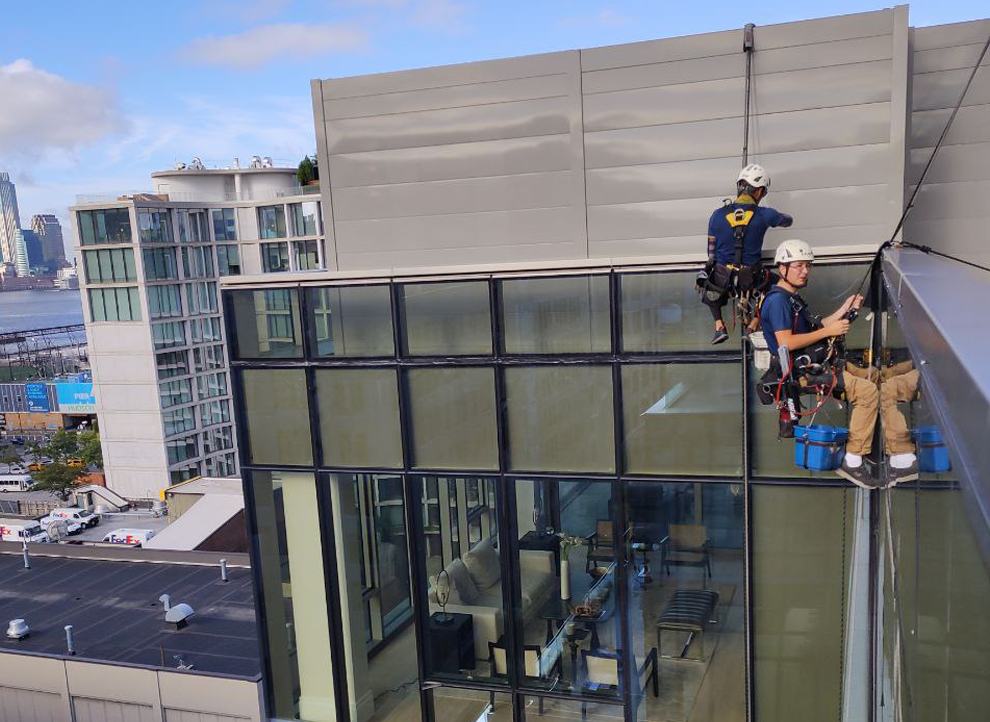
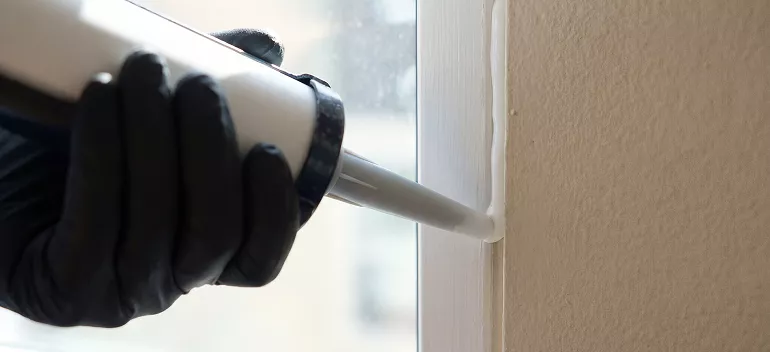
While we’re on-site
Many clients bundle rooftop services to reduce scheduling friction and keep exterior surfaces on the same maintenance schedule.
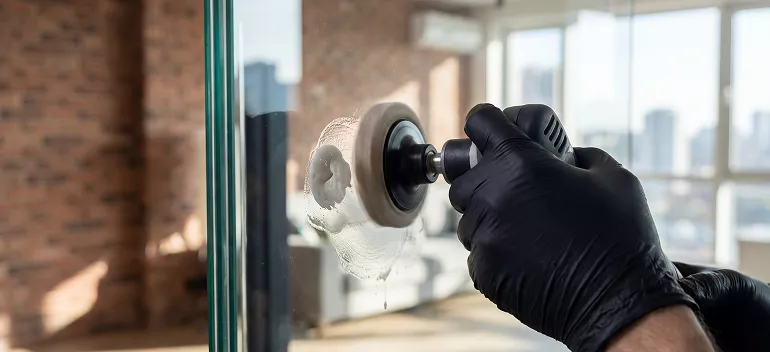
Useful information
-
Is solar panel cleaning worth it in NYC?
Yes, in many NYC installs it is. Rooftop arrays collect soot, pollen, and construction dust that can create a light-blocking film, especially on low-slope roofs. A professional solar panel cleaning service restores optical clarity and helps your system operate closer to its baseline. Big Apple also handles the practical NYC part – scheduling, access, and, when needed, insurance paperwork with building management before we arrive.
-
Why is my electric bill still high if I have solar panels?
Several common reasons: your utility bill includes fixed charges, your usage may have increased, the system may be offsetting only part of demand, and seasonal production varies. Shading changes and dirty panels can also reduce output, especially when film builds up over time.
If the bill jump is sudden, do not assume the panels are the only cause. Start with monitoring checks, then schedule a rooftop assessment – we can confirm whether cleaning photovoltaic panels and a quick condition review are likely to help.
-
Do solar panels need to be professionally cleaned?
Not always, but rooftops make DIY risky. If panels are hard to reach, you have parapets, steep pitch, or fragile roof surfaces, professional rooftop solar panel cleaning is usually the safer option. Crews use controlled methods intended for cleaning photovoltaic panels without scratching glass or stressing seals. If you want a solar power cleaning service that protects both your roof and your PV equipment, book a site visit and we will advise based on your layout.
-
How much will it cost to have my solar panels cleaned?
Pricing depends less on the panel count than on access, roof conditions, and how the array is mounted. Two buildings with the same number of panels can price differently if one requires special safety setup, roof setbacks, or building coordination. The fastest way to get an accurate number is an estimate after we confirm access and soiling level. In NYC, that planning step matters as much as the wash itself.
-
How much does it cost to clean one solar panel?
Per-panel pricing exists, but it is not the full story. Most jobs are quoted as an array because setup time, safe access, and roof logistics are shared across the system.
If you want a useful number, ask for a site visit quote – you will get a clear scope for pv panel cleaning, including any access method needed for your roof.
-
What maintenance needs to be done on solar panels?
Think of it as three layers – cleanliness, physical condition, and performance verification. Cleaning addresses light transmission, while inspections reduce surprises from loose components or new shading. If you want a documented plan, we can align pv panel maintenance with your building’s access rules and scheduling process.
Maintenance item What it checks Why it matters Typical trigger PV panel cleaning Film, dust, pollen, bird residue Restores light capture Visible haze, seasonal buildup Edge and frame rinse Mineral spotting and trapped grit Reduces streaking and re-soiling Hard water spotting Hardware visual check Clamps, rails, fasteners Prevents vibration loosening After storms or roof work Cable and conduit look-over UV wear, abrasion points Reduces electrical risk Aging roofs, intense sun exposure Shading review New obstructions Shading can reduce output New HVAC, parapets, growth Production review Monitoring trends Confirms performance baseline Unexpected bill increase -
Can I clean my solar panels myself?
You can, but be cautious. Rooftop falls and roof damage are the top risks, not the panels themselves.
If you still DIY, avoid abrasive pads, high pressure sprays, and household glass cleaners. Use soft tools, gentle water flow, and do not step or lean on panels or racking. If access is difficult or you see heavy spotting or gritty film, it is usually smarter to hire a solar panel cleaning service to avoid turning a cleaning task into a repair.
-
What is the safest method for rooftop solar panel cleaning?
The safest method is controlled washing with soft contact tools and purified or low-mineral water when possible. The goal is solar module cleaning without dragging grit across the glass or leaving mineral deposits that attract new dirt.
Equally important is rooftop safety planning – route to the array, edge protection, and staging. That is why professional service often starts with an assessment and scheduling, especially in managed NYC buildings.
-
Do PV panels need maintenance besides cleaning?
Yes. PV panel maintenance is usually light, but it matters. You want periodic checks for shading changes, loose hardware, damaged wiring protection, and obvious seal or frame issues. Cleaning is the visible part, but solar panel maintenance services often include a basic visual condition check while crews are already on the roof.
If you have monitoring, compare production before and after cleaning – it helps you set a sensible schedule going forward.
-
What is the 33% rule in solar panels?
It is not a technical standard. People use “33% rule” as shorthand for the idea that poor conditions (soiling, shading, heat, inverter limits) can create meaningful losses. In reality, the impact varies widely by site.
If you suspect losses, check monitoring, look for shade changes, and consider a solar panel cleaning service when you see visible film or bird residue. Pairing cleaning with basic pv panel maintenance gives you clearer answers.
-
Where is solar panel cleaning most needed in New York City?
The strongest demand for solar panel cleaning in New York City is not only in Manhattan. In fact, the best solar panel cleaning opportunities are often in the outer boroughs, where more buildings have usable roof space, lower roof profiles, row houses, commercial rooftops, schools, warehouses, and flat or low-slope solar arrays.
Queens is one of the most important boroughs for solar panel cleaning. Con Edison has reported that Queens led NYC in household solar panels, with more than 11,000 installations at the time of that report and solar production nearly double Brooklyn’s. Brooklyn is another major solar panel cleaning market because neighborhoods with brownstones, row houses, and flat roofs are well suited for rooftop solar. Park Slope, Gowanus, Bed-Stuy, Crown Heights, Clinton Hill, Williamsburg, Bushwick, and similar low-rise neighborhoods are especially relevant for solar panel cleaning because panels often sit on flat roofs behind parapets.
Staten Island also has strong residential solar potential because many homes have larger roof areas and fewer high-rise shading issues. The Bronx and Queens include important commercial, municipal, school, multifamily, and industrial rooftops where solar panel cleaning may be part of broader building maintenance. Manhattan has fewer simple residential solar roofs, but solar panel cleaning there often involves managed buildings, access coordination, roof safety planning, and stricter scheduling.
For Big Apple Window Cleaning, the practical solar panel cleaning map looks like this:
NYC area Why solar panels are common or important Solar panel cleaning challenge Queens Strong household solar adoption, many low-rise homes and commercial roofs Soot, pollen, flat roofs, mixed residential/commercial access Brooklyn Brownstones, row houses, flat roofs, growing rooftop solar adoption Parapets, narrow roof access, construction dust, bird residue Staten Island Larger residential roof areas and more open exposure Pollen, salt air, roof pitch, seasonal buildup Bronx Schools, multifamily buildings, commercial and municipal rooftops Larger arrays, access planning, rooftop mechanical equipment Manhattan Managed buildings and complex rooftops Building coordination, insurance, roof access, height and safety planning Long Island Residential and commercial solar systems outside dense NYC core Pollen, trees, bird activity, larger roof layouts A good solar panel cleaning company should understand this map before giving advice. Solar panel cleaning in Queens is not always the same job as solar panel cleaning in Brooklyn or Manhattan. The number of panels matters, but roof type, access, soiling pattern, and building rules matter just as much.
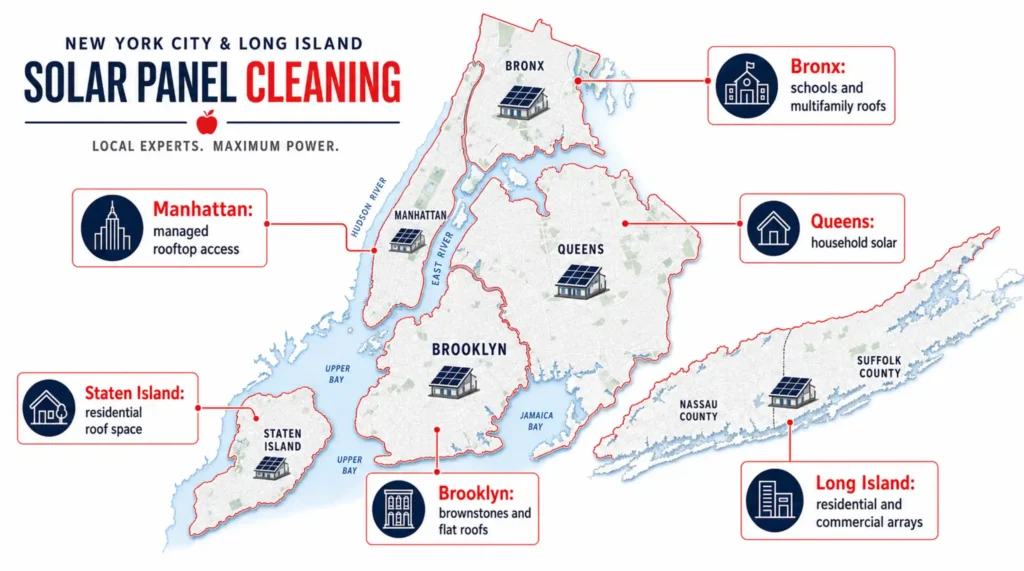
Solar panel cleaning across New York and Long Island – from Staten Island and Queens residential roofs to Bronx schools, Brooklyn brownstones and Long Island arrays.
-
Why does solar panel cleaning matter more on New York City rooftops?
Solar panel cleaning matters more in New York City because rooftop panels here do not face the same conditions as panels on open suburban roofs. NYC solar arrays often sit on flat or low-slope roofs, behind parapet walls, near HVAC exhaust, above busy streets, close to construction dust, or in areas with heavy pollen and bird activity. That mix creates a film that rain does not always remove.
Professional solar panel cleaning is not just about making panels look cleaner. It is about removing the layer that blocks sunlight from reaching the photovoltaic glass. On many NYC rooftops, the problem is not one dramatic stain. It is a thin buildup of soot, pollen, mineral residue, bird droppings, and fine grit. Over time, that film can reduce production and make the system perform below its normal baseline.
Solar panel cleaning is especially important on flat roofs because debris does not slide away as easily. Parapets can trap dust and leaves. Rooftop mechanical equipment can add residue. Nearby construction can leave fine particles on the glass. A proper solar panel cleaning service should understand those site conditions before washing begins.
NYC rooftop condition What it leaves on panels Why solar panel cleaning helps Traffic corridors Soot and airborne film Restores clearer light transmission Construction zones Fine dust and grit Reduces abrasive buildup Flat roofs Standing debris and residue Helps prevent repeated soiling Bird activity Droppings and organic matter Removes hard spots that rain misses HVAC equipment Exhaust film and rooftop dust Improves panel surface clarity For NYC buildings, solar panel cleaning works best when it is treated as rooftop maintenance, not a quick rinse.
-
Does rain clean solar panels enough in NYC?
Rain helps, but rain is not the same thing as solar panel cleaning. A storm can rinse away loose dust, but it usually does not remove sticky pollen, bird residue, oily urban film, mineral spotting, or grit caught along panel edges. In New York City, rain often moves dirt around instead of fully removing it.
This is especially true on low-slope panels. Many rooftop solar arrays in NYC are mounted on flat roofs with a slight tilt. That angle is good for the building layout, but it can allow water to dry unevenly and leave residue behind. If panels are close to parapets, vents, trees, pigeons, or construction activity, rain may not reach every part of the array evenly.
Solar panel cleaning gives a more controlled result. The goal is not high pressure. The best way to clean solar panels is usually a soft contact method with purified or low-mineral water, the right brush, and careful handling around frames, wiring, seals, and mounting rails. Professional solar panel cleaning also avoids dragging dry grit across the glass.
A simple rule: if panels still look hazy after rain, rain did not clean them. If output has dropped compared with normal seasonal production, solar panel cleaning may be worth scheduling. If the roof is difficult to access, has fragile membrane areas, or requires coordination with building management, hiring a solar panel cleaning company is safer than treating the job like ordinary exterior washing.
Rain is useful. But in NYC, rain is not a reliable solar power cleaning service.
-
How often should solar panel cleaning be scheduled in New York City?
There is no single schedule for solar panel cleaning in NYC. The right interval depends on the roof, the neighborhood, the panel angle, nearby construction, bird activity, and whether the system owner monitors production. A clean suburban roof and a low-slope commercial roof in Queens or Brooklyn may need very different maintenance schedules.
For many residential systems, solar panel cleaning once or twice a year is a reasonable starting point. For commercial rooftops, managed properties, buildings near construction, or arrays with visible bird residue, solar panel cleaning may need to happen more often. The key is to match the schedule to actual soiling, not to a generic calendar.
Building or site condition Suggested solar panel cleaning trigger Why it matters Brownstone or townhouse roof 1–2 times per year Flat roofs and parapets hold dust and debris Commercial flat roof 2–4 times per year if heavily exposed Larger arrays collect more rooftop film Near active construction After major dust exposure Fine particles can settle quickly Near trees or heavy pollen Spring or early summer cleaning Pollen can dry into a sticky film Heavy bird activity As needed, not just seasonally Droppings can create hard, uneven spots Waterfront exposure After salt, wind, or storm buildup Salt film and grit can dry on the glass Sudden production drop After checking monitoring data Cleaning may help if soiling is the cause Solar panel cleaning should also be considered after roof work, façade work, nearby masonry repair, major storms, or visible debris accumulation. If a building has monitoring, compare output before and after solar panel cleaning. That gives a better long-term maintenance plan than guessing.
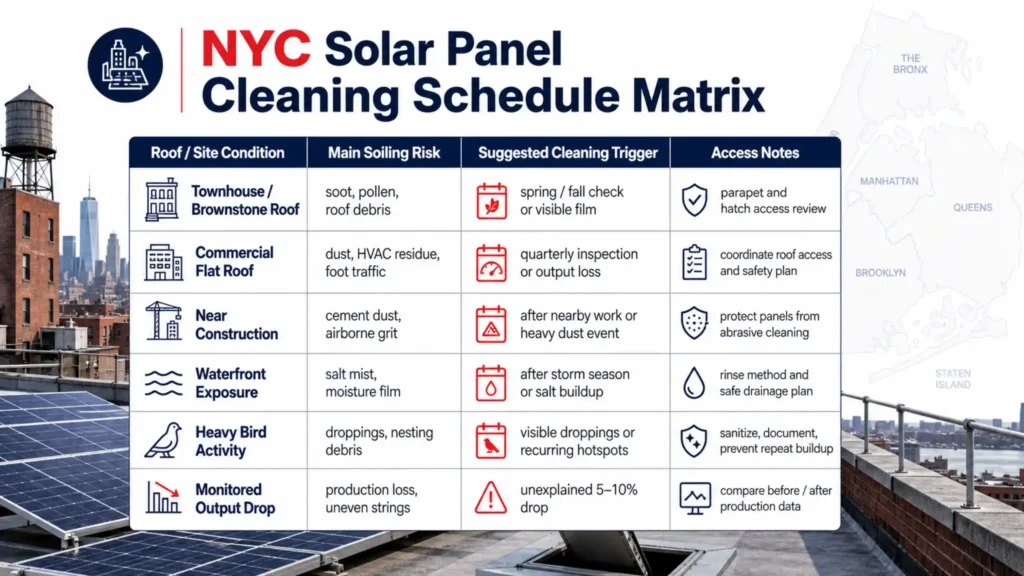
When to schedule solar panel cleaning in New York – by roof type, soiling risk and the trigger that says it is time.
-
What is included in professional solar panel cleaning?
Professional solar panel cleaning should include more than spraying water on glass. A good solar panel cleaning company starts by looking at the array, roof access, panel angle, surrounding surfaces, and visible debris. On NYC rooftops, access planning is part of the job because the route to the panels can be as important as the washing method.
The process should be gentle, controlled, and designed for photovoltaic equipment. Solar panel cleaning usually starts with a basic condition review: Are there loose leaves, bird droppings, construction dust, heavy haze, mineral spotting, or debris along the lower edge of the panels? Then loose grit should be removed carefully before wet cleaning begins.
Step What happens Why it matters Roof and access review Crew checks safe approach, roof surface, hatch, parapets, and panel layout Prevents unsafe movement and roof damage Dry debris removal Loose leaves, grit, and larger debris are removed first Reduces scratching during washing PV-safe washing Panels are cleaned with soft brushes and purified or low-mineral water Avoids harsh chemicals and residue Edge and frame detailing Lower edges, rails, and corners are cleaned carefully Prevents dirt lines and repeated streaking Visual condition check Crew looks for obvious issues such as debris, shading, loose visible parts, or heavy spotting Helps the owner know when further inspection may be needed Before-and-after notes Photos or basic observations may be documented Useful for property managers and maintenance records Professional solar panel cleaning does not replace electrical inspection or inverter diagnostics. But it does protect the visible surface of the array and helps restore clearer light capture. For NYC buildings, the best solar panel cleaning service combines careful washing with rooftop awareness.
-
Why should pressure washing and harsh chemicals be avoided on solar panels?
Pressure washing is not the best way to clean solar panels. In fact, it is usually the wrong approach. Solar panels are built to handle weather, but that does not mean they should be hit with a concentrated high-pressure stream. Pressure can stress panel edges, seals, frames, wiring protection, and roof details around the array.
Harsh chemicals are also a poor choice for solar panel cleaning. Strong detergents, solvents, and abrasive cleaners can leave residue, damage coatings, or create streaking that attracts more dirt. Even if the panels look cleaner for a moment, the wrong cleaning method can create long-term problems.
Good solar panel cleaning is controlled and gentle. The goal is to remove soot, pollen, bird droppings, and rooftop film without scratching the glass or forcing water where it should not go. Soft brushes, purified water, and careful technique are usually safer than aggressive cleaning. This is especially important on NYC rooftops, where solar arrays may be installed near roof membranes, skylights, vents, railings, parapets, or mechanical equipment.
Cleaning solar panels on roof surfaces also creates fall and roof-damage risks. A homeowner with a hose may focus only on the panels, but a professional solar panel cleaning company also thinks about safe footing, roof protection, extension tools, water control, and access.
If someone suggests pressure washing as a solar power cleaning service, be cautious. Solar panel cleaning should protect the panels, the roof, and the building at the same time.
-
What should property managers know before booking solar panel cleaning?
Property managers should treat solar panel cleaning as a planned rooftop service, not a casual exterior wash. In New York City, the work often involves access rules, insurance requirements, roof protection, tenant coordination, and scheduling limits. The panels may be the visible target, but the building is the working environment.
Before booking solar panel cleaning, a property manager should confirm how crews will reach the roof, whether a roof hatch or service entrance is available, whether the building requires certificates of insurance, and whether there are restrictions on water use, elevator use, or work hours. For co-ops, condos, commercial buildings, and managed properties, those details matter.
A professional solar panel cleaning service should be able to discuss the access plan before arrival. The crew should understand that rooftop solar arrays often sit near drains, HVAC units, skylights, roof membranes, parapets, and mechanical areas. The wrong movement pattern can damage the roof even if the panels are cleaned correctly.
Property managers should also think about bundling. If crews are already scheduled for solar panel cleaning, it may be efficient to coordinate rooftop window cleaning, skylight cleaning, glass restoration review, gutter-related visual checks, or other exterior maintenance. This reduces scheduling friction and limits repeated roof access.
A useful booking checklist:
- Confirm roof access and building entry rules.
- Ask whether insurance paperwork is needed.
- Identify panel location, panel count, and roof type.
- Mention bird droppings, construction dust, or visible haze.
- Share any production drop or monitoring concern.
- Ask whether before-and-after photos can be provided.
- Coordinate solar panel cleaning with other exterior services when practical.
For NYC buildings, good solar panel cleaning is as much about planning as washing.
