

Commercial
window cleaning in NYC
100% sparkling windows and building facade x10 times faster using a comprehensive solution and certified technicians with 18 years of experience, ensuring zero risk and full insurance.
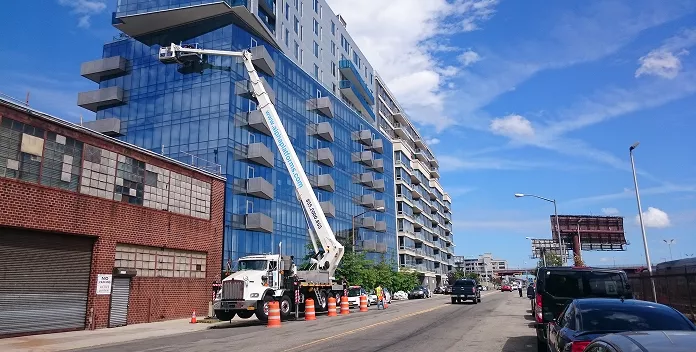
We operate large privately owned fleet of aerial lifts up to 300 ft, allowing faster deployment without rental delays.
All our operations are backed by the best-in-class general liability insurance with NY Labor Law coverage (American Empire, $11 mil).
All technicians hold SPRAT, OSHA, and IPAF certifications.
Trusted by major New York property management companies
Proven experience handling some of the most challenging high-rise buildings in NYC

We understand your concerns about property damage and liability risks.
It's difficult to see the full condition of your building's exterior from the ground. As a result, many issues go unnoticed until they become urgent and expensive to fix.
Without clear visibility, long-term maintenance planning becomes nearly impossible.

It doesn’t have to be that way
During every service visit, Big Apple evaluates your building and recommends solutions that address current issues and help prevent future problems.
- ONE DAY™ Local Law 11 / FISP inspections, filing, and digital façade documentation
- Façade 360™ Program
- Full façade maintenance instead of just window cleaning
You receive a detailed report with objective findings to help plan both short- and long-term maintenance for your property.
Full facade maintenance
Expertise in solving New York City's most complex façade access challenges.
HIGH-RISE/COMMERCIAL WINDOW CLEANING
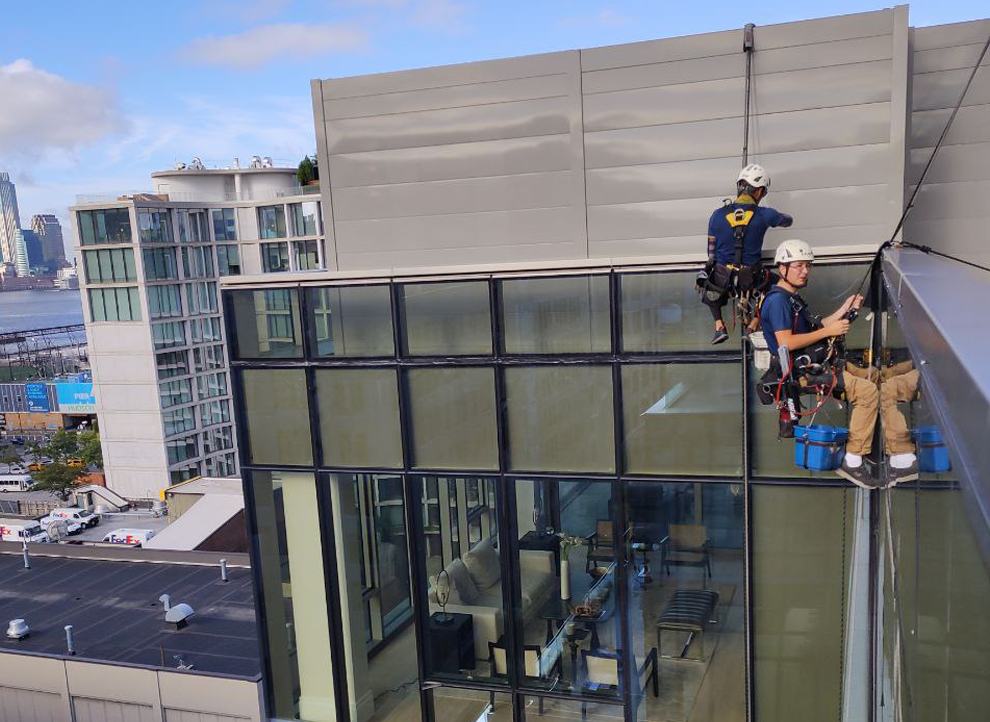
HIGH-RISE/COMMERCIAL WINDOW CLEANING
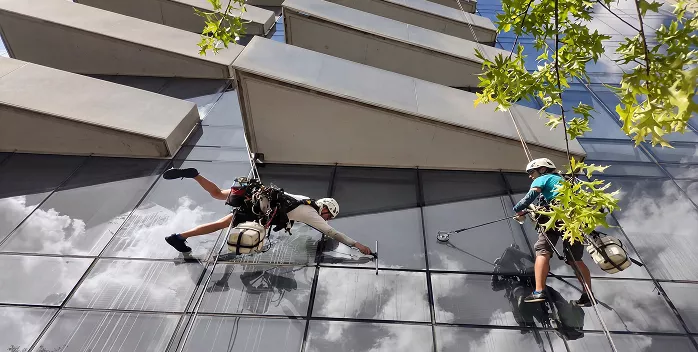
Engineered cleaning for NYC’s tallest towers. Using our owned fleet of extreme-reach aerial lifts and SPRAT-certified rope access, we deliver flawless, streak-free clarity with strict OSHA compliance and zero tenant disruption.
LOCAL LAW 11/FISP INSPECTIONS SUPPORT
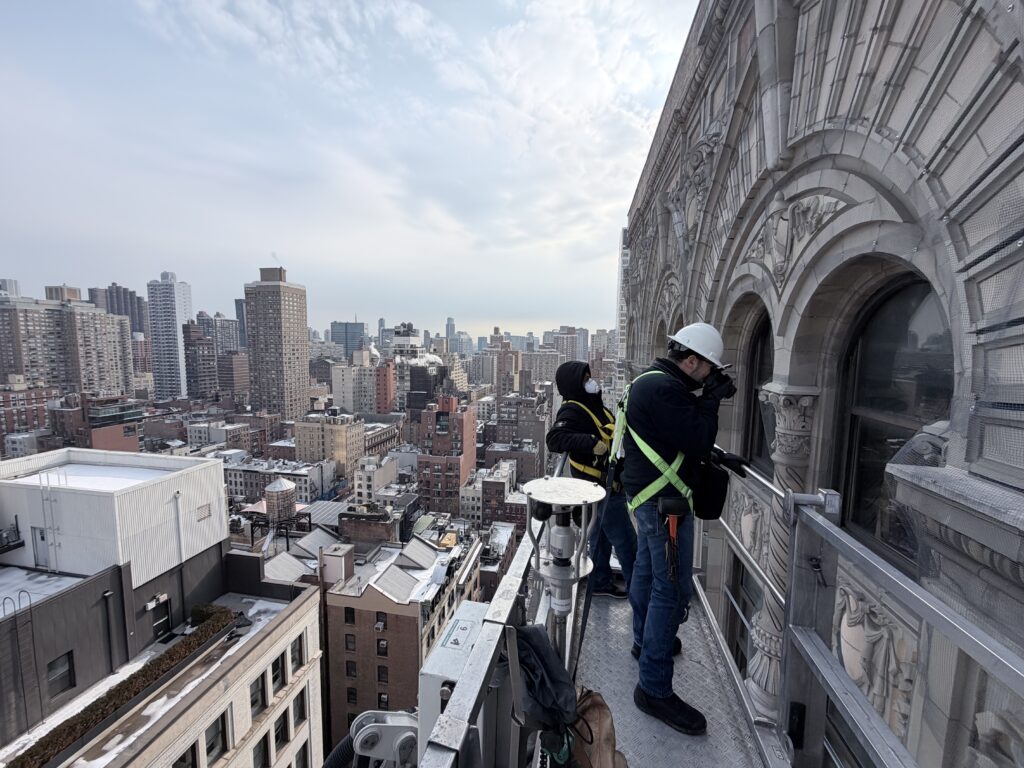
LOCAL LAW 11/FISP INSPECTIONS SUPPORT
Keep the DOB off your back. We provide safe, direct facade access for your QEWIs, executing close-up masonry sounding and immediate SWARMP mitigation to resolve unsafe conditions and avoid severe city fines.
GLASS RESTORATION/ACID WASH, SCRATCHES & GRAFFITI REMOVAL
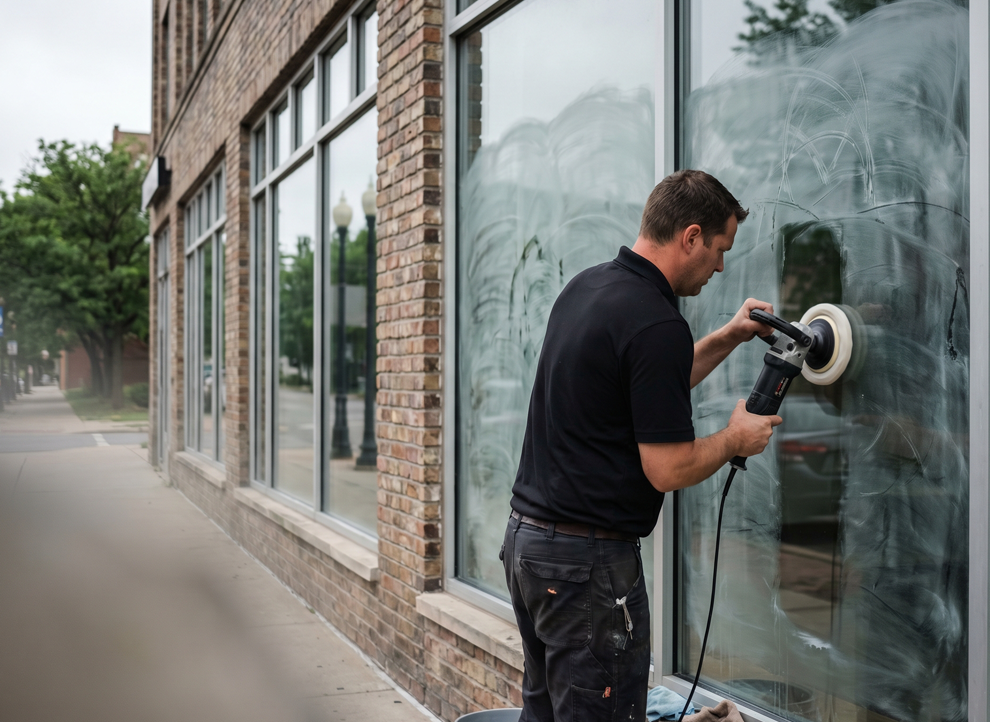
GLASS RESTORATION/ACID WASH, SCRATCHES & GRAFFITI REMOVAL
Rescue your commercial image and save thousands on full replacement. We surgically polish away deep vandalism scratches, chemically neutralize acid-etched tags, and eradicate heavy hard water stains to restore original optical clarity.
PAINTING, CAULKING & REPAIR SERVICES AT HEIGHT
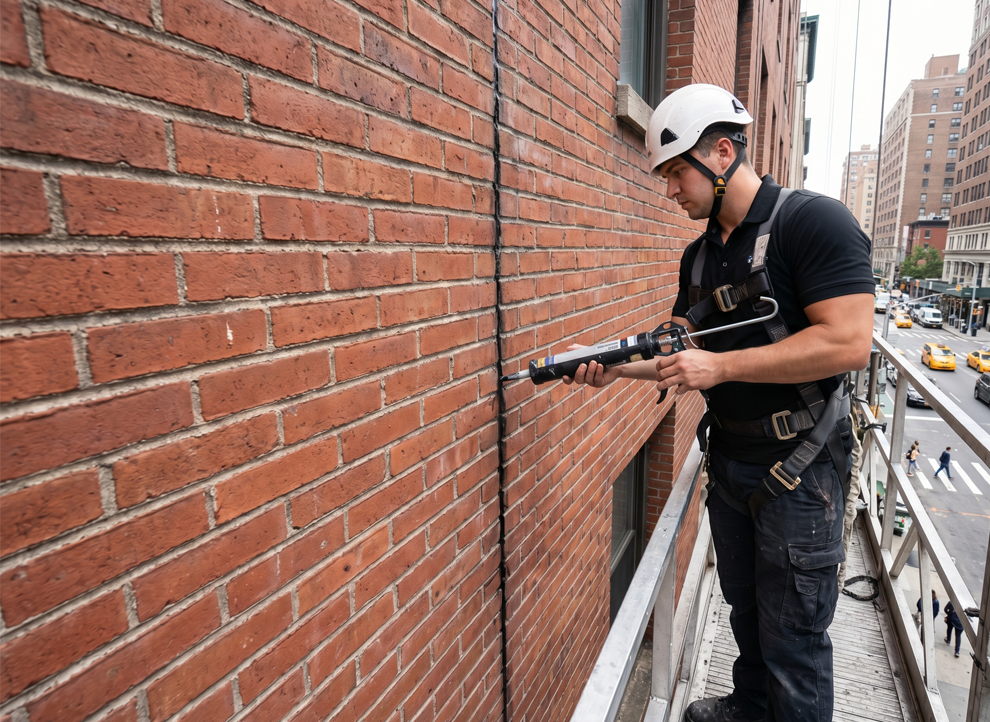
PAINTING, CAULKING & REPAIR SERVICES AT HEIGHT
Comprehensive high-altitude exterior maintenance. From structural silicone caulking to anti-corrosion painting and architectural metal repairs, we seal building envelopes to eliminate drafts, leaks, and structural degradation without expensive scaffolding.
POWER WASHING - FACADE, BALCONIES, OR SIDEWALK

POWER WASHING - FACADE, BALCONIES, OR SIDEWALK
Eradicate decades of urban smog, algae, and heavy grease. We utilize controlled hot-water pressure washing for concrete sidewalks and pH-neutral soft washing for delicate historic masonry and glass curtain walls.
BIRD PROTECTION SPIKES INSTALLATION
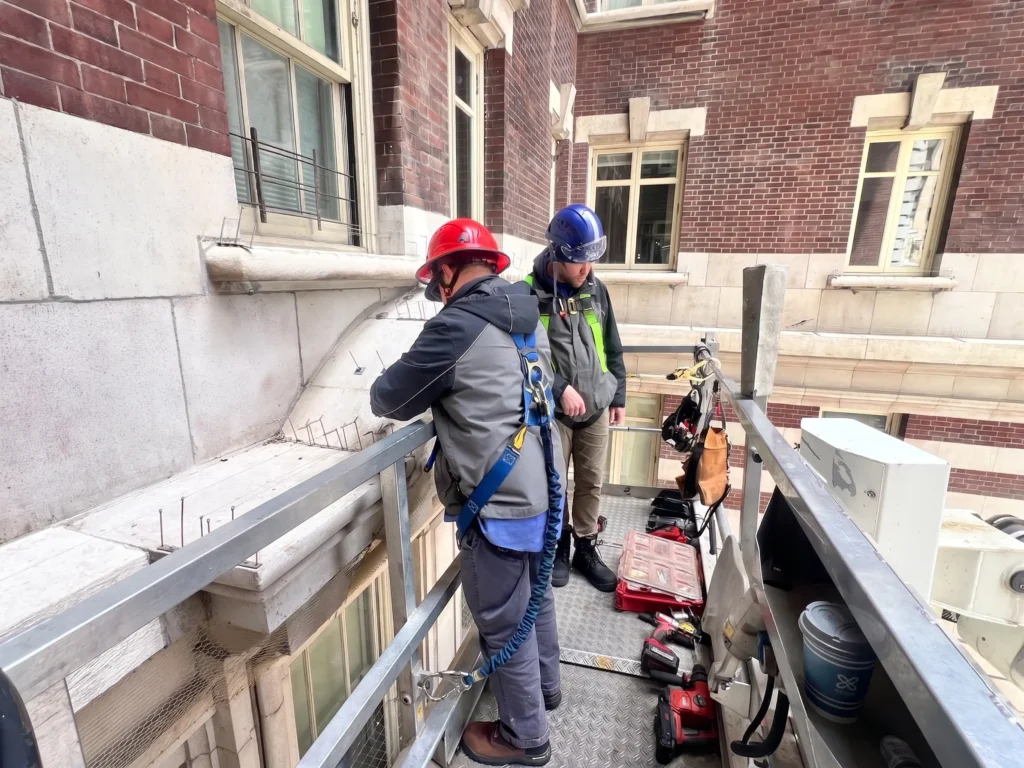
BIRD PROTECTION SPIKES INSTALLATION
Protect your property from corrosive acidic bird droppings and health hazards. We safely install humane, low-visibility stainless steel bird deterrent spikes on high-rise ledges, sills, and architectural commercial signs.
GLASS REPLACEMENT, WINDOW REPAIRS, WINDOWS WINTERIZATION
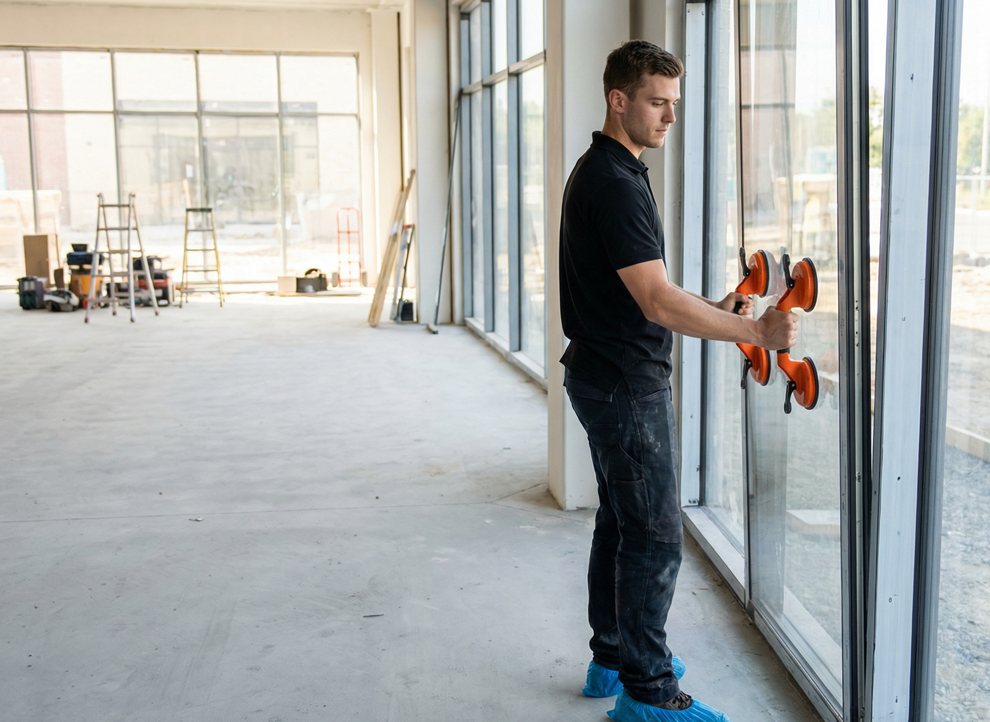
GLASS REPLACEMENT, WINDOW REPAIRS, WINDOWS WINTERIZATION
Full-spectrum commercial window engineering. We extract failed foggy IGUs, replace heavy storefront glass, restore stuck operating hardware, and install premium weatherstripping to winterize and secure your commercial building envelope.
EXTREME LIFTS RENTAL SERVICES
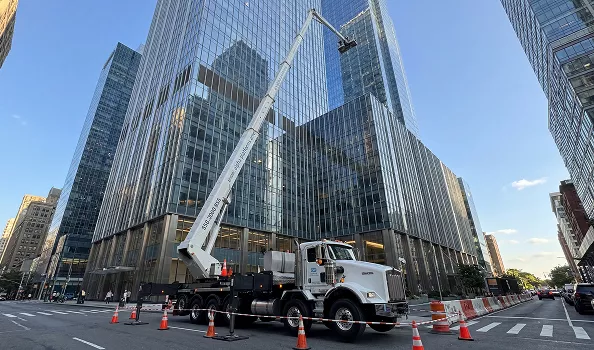
EXTREME LIFTS RENTAL SERVICES
Skip the scaffolding and the delays. We operate the East Coast’s largest private fleet of high-reach aerial lifts, providing up to 300 feet of vertical reach with certified operators for unmatched site access.

Façade360
Façade 360™ membership
for property managers
Two decades of excellence in New York façade and glass services.
Our goal is to streamline your building’s exterior maintenance. We go beyond simple cleaning to help manage the health of your façade. Instead of reactive fixes, we offer a proactive plan.
As a Member Client, you get a unified solution for cleaning, inspections, and maintenance, simplifying your operations and ensuring consistent care.
Know how
Gain full transparency with access to our detailed procedures for each job. You can monitor our team’s adherence to protocols, view internal video tutorials for every operation, and understand all tasks performed on your windows, roof, or façade. All procedures are available for your review and control.
Know what and when
At any given time, you will be able to log in to our portal as a member and see where exactly we are working right now on any of your buildings, what is the plan for today, what was done any day of the week and what is the plan for the next day/week.
Know who
You will see your crews and know who particularly and when did every window, task or project assignment or drop.
Know plan
You will be able to review the plan for all your buildings, estimates, invoices for past periods, comparable reports.
Rest assured your building is in great hands
We started with a bucket and a squeegee back in 2006 and are tirelessly bringing clarity to people’s lives, one project at a time.

In the top 5
High-rise/commercial window cleaning companies in NYC (200+ buildings served on a regular basis).
In the top 3
In NYC for Local Law inspections (600+ inspections per year).
In the top 3
Nationwide for extreme lifts fleet (18+ units, 10 major metro areas), dominating the East Coast of the USA.
In the top 3
Residential window cleaning companies in NYC (10,000 Clients served annually).
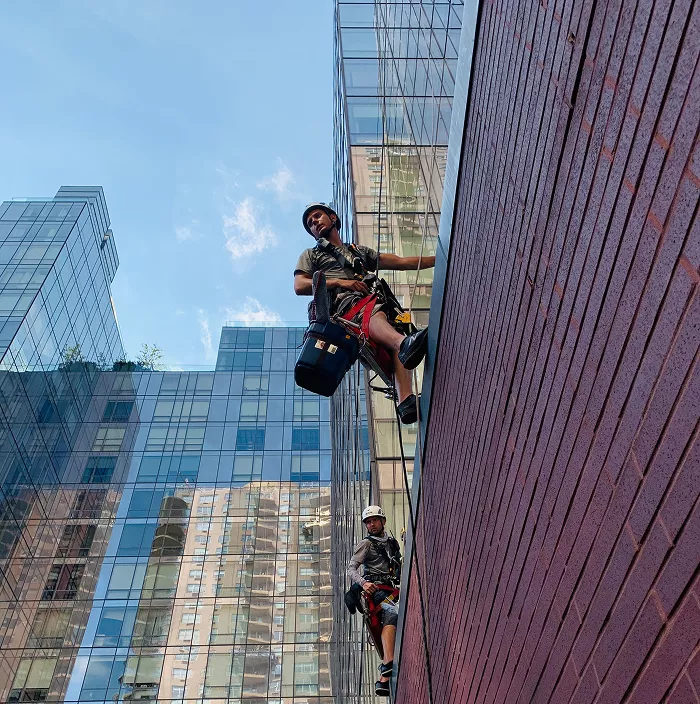
Big Apple Window Company at work
More than 2 decades of experience in property maintenance.
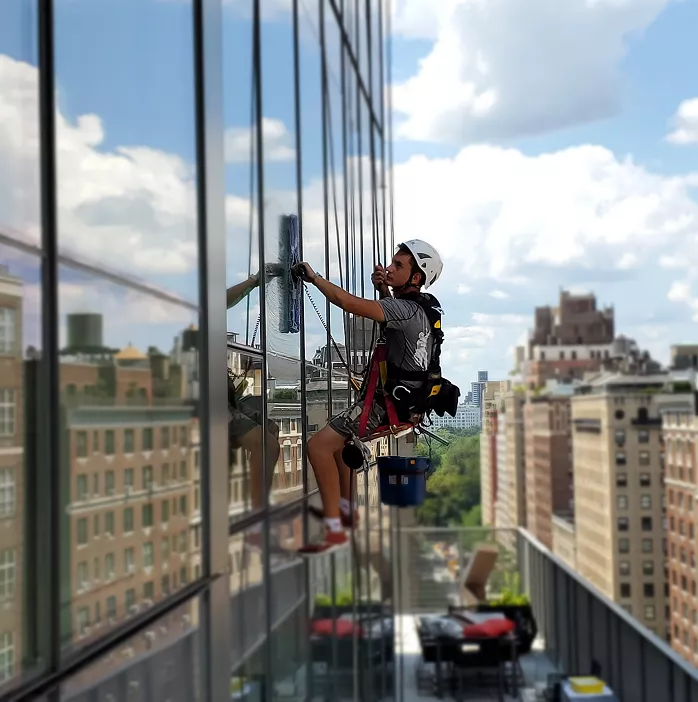
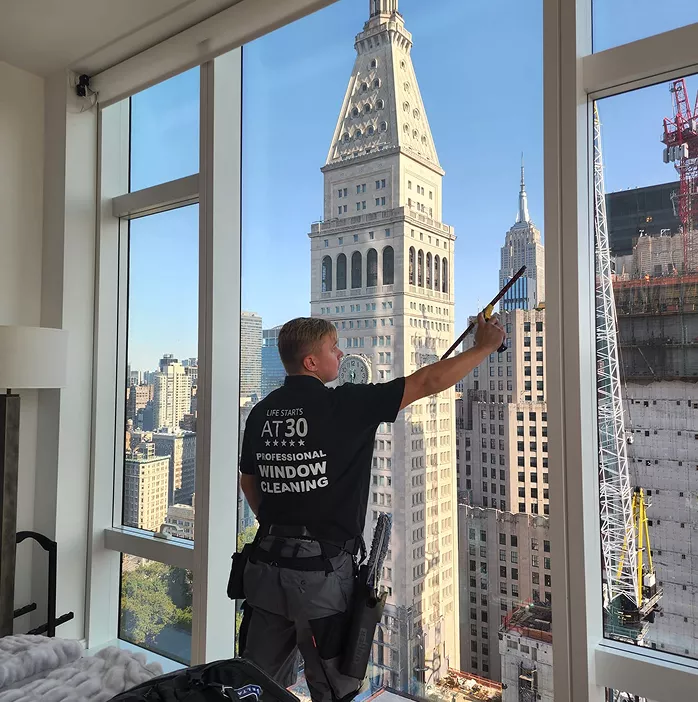
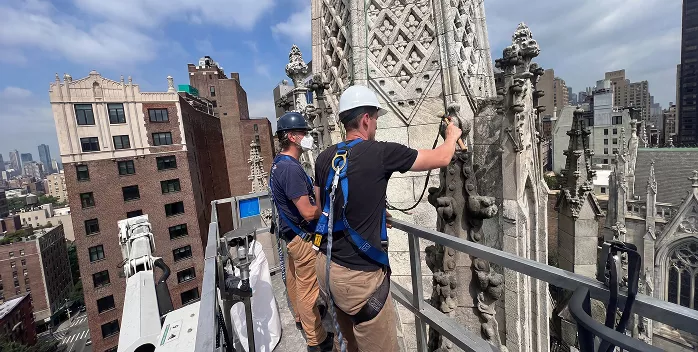
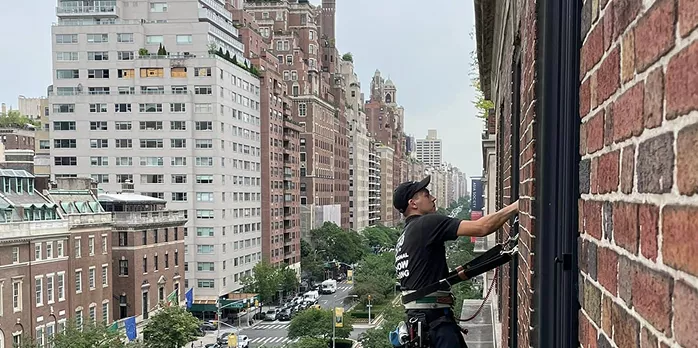
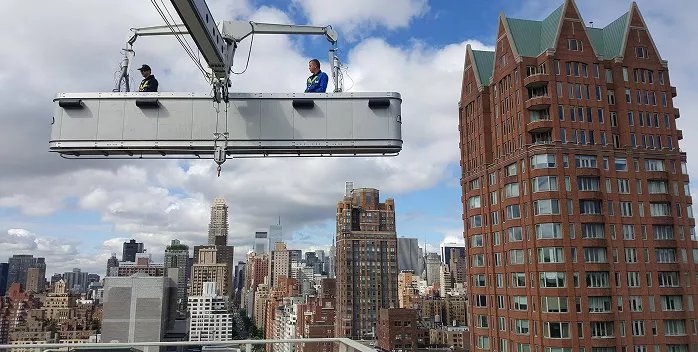
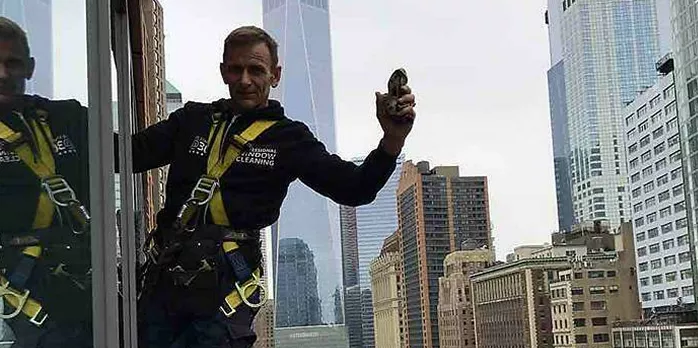
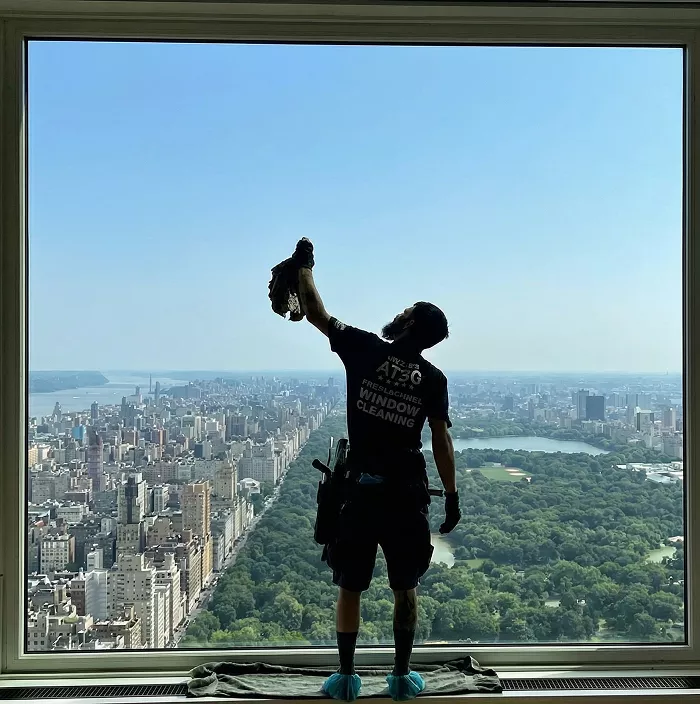
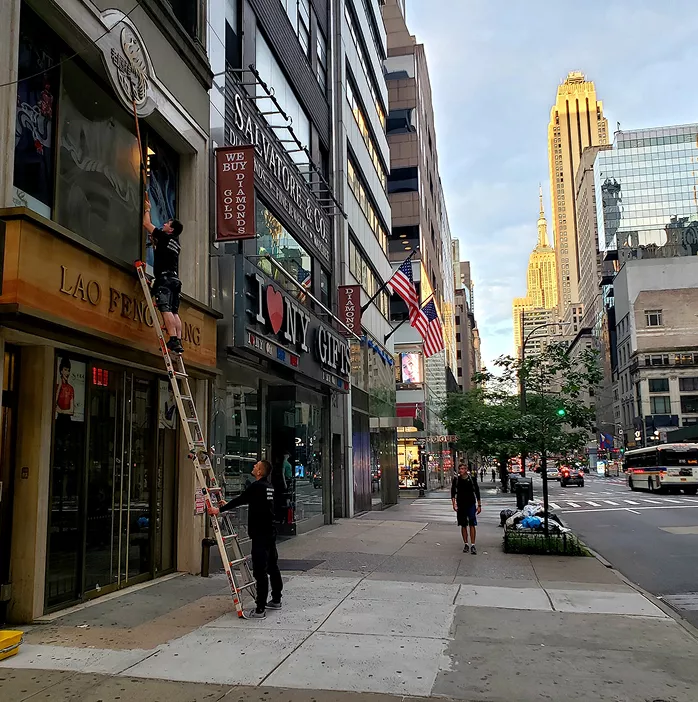
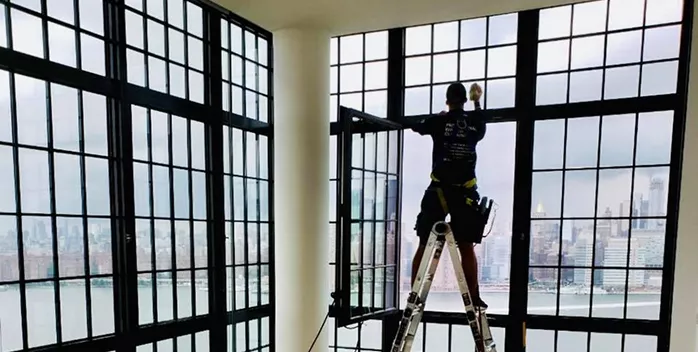
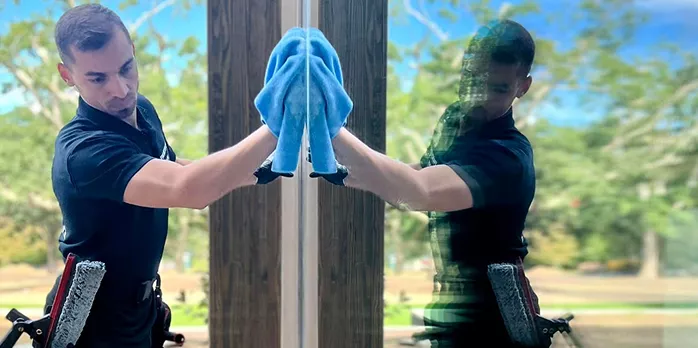
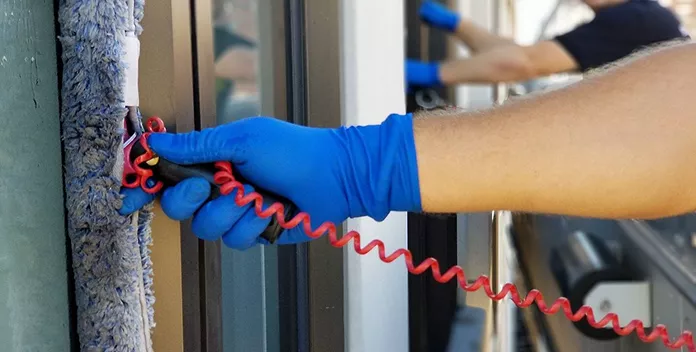
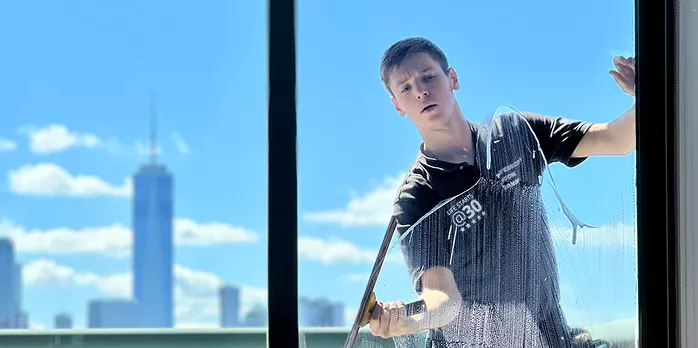
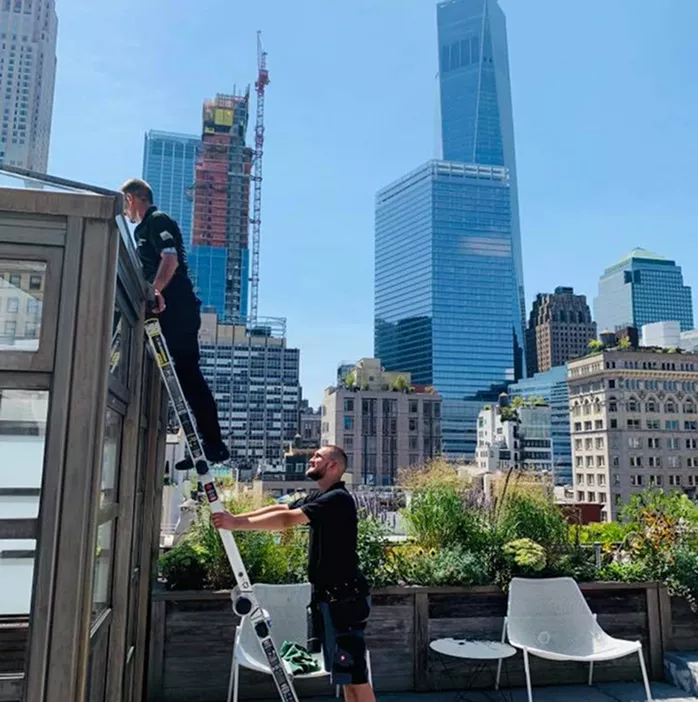
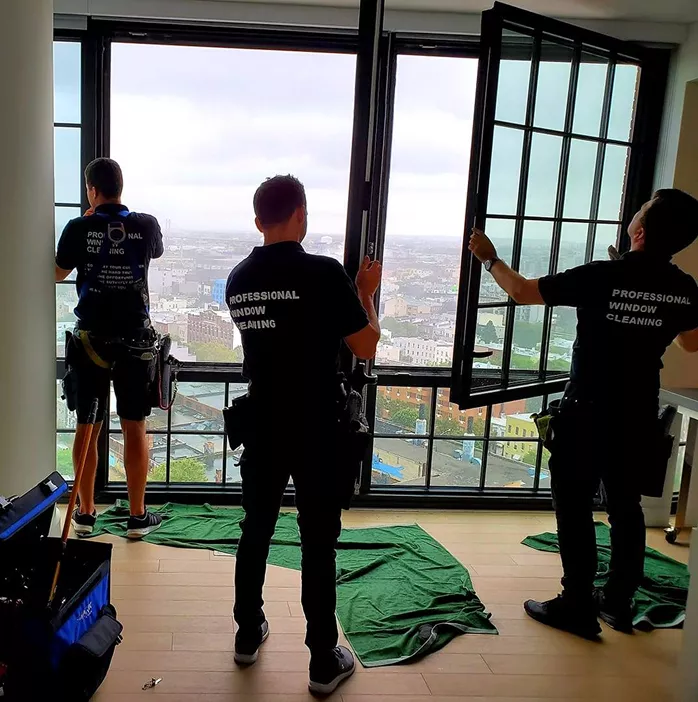
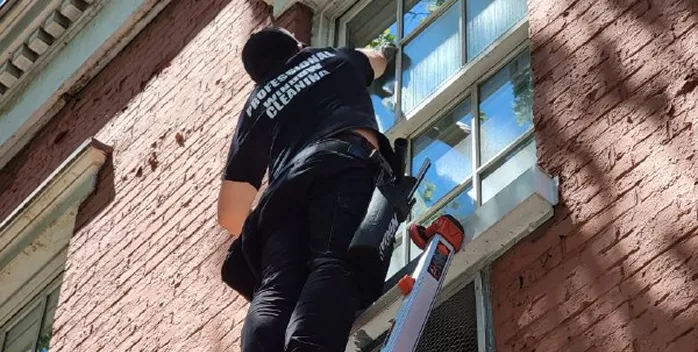
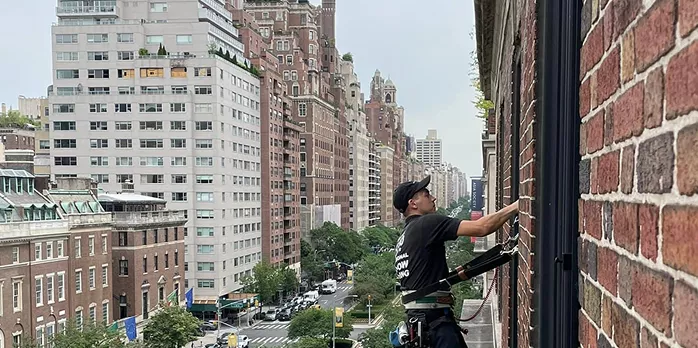
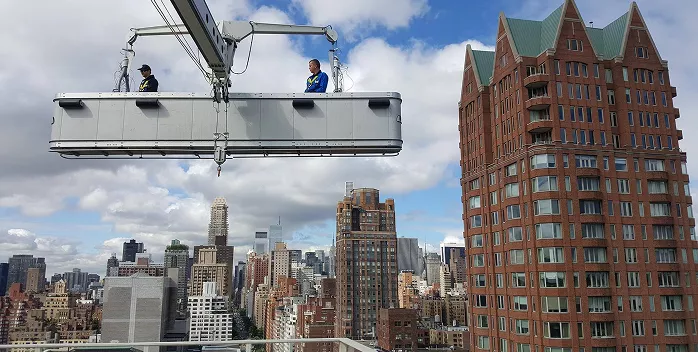
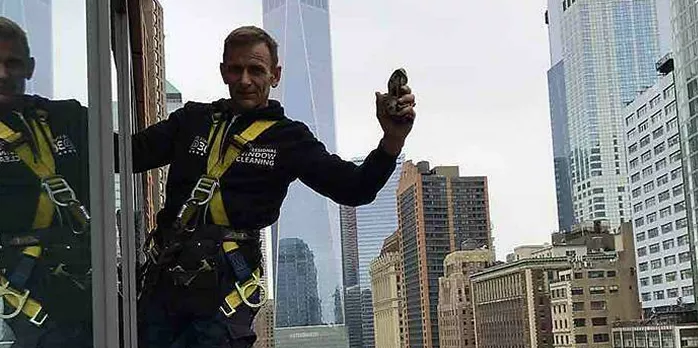
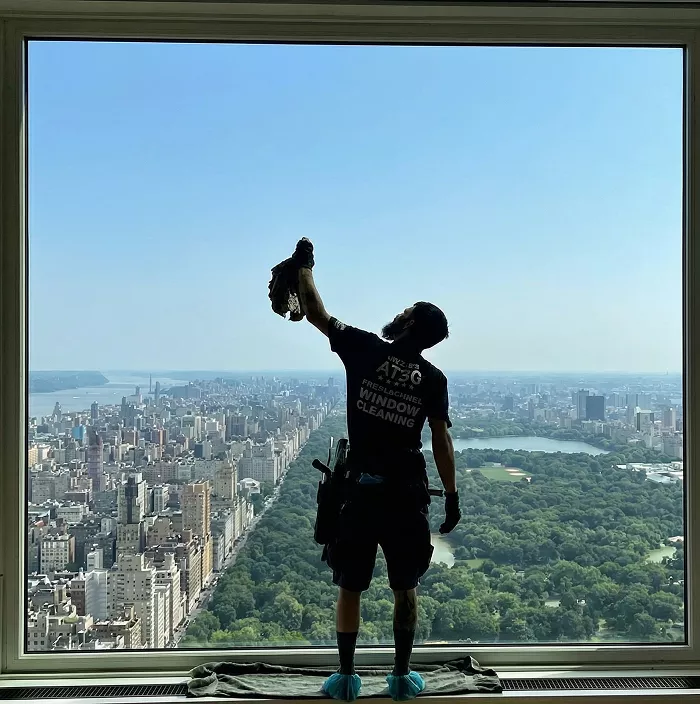
Working with Big Apple services means gaining
A true partner
Monitoring your building with you.
Confidence
You take special care of your property.

Peace of mind
There will be no more surprises with leaks and repairs.
A proactive plan
In control and proud of your maintained tenant-pleasing properties.
Why us?
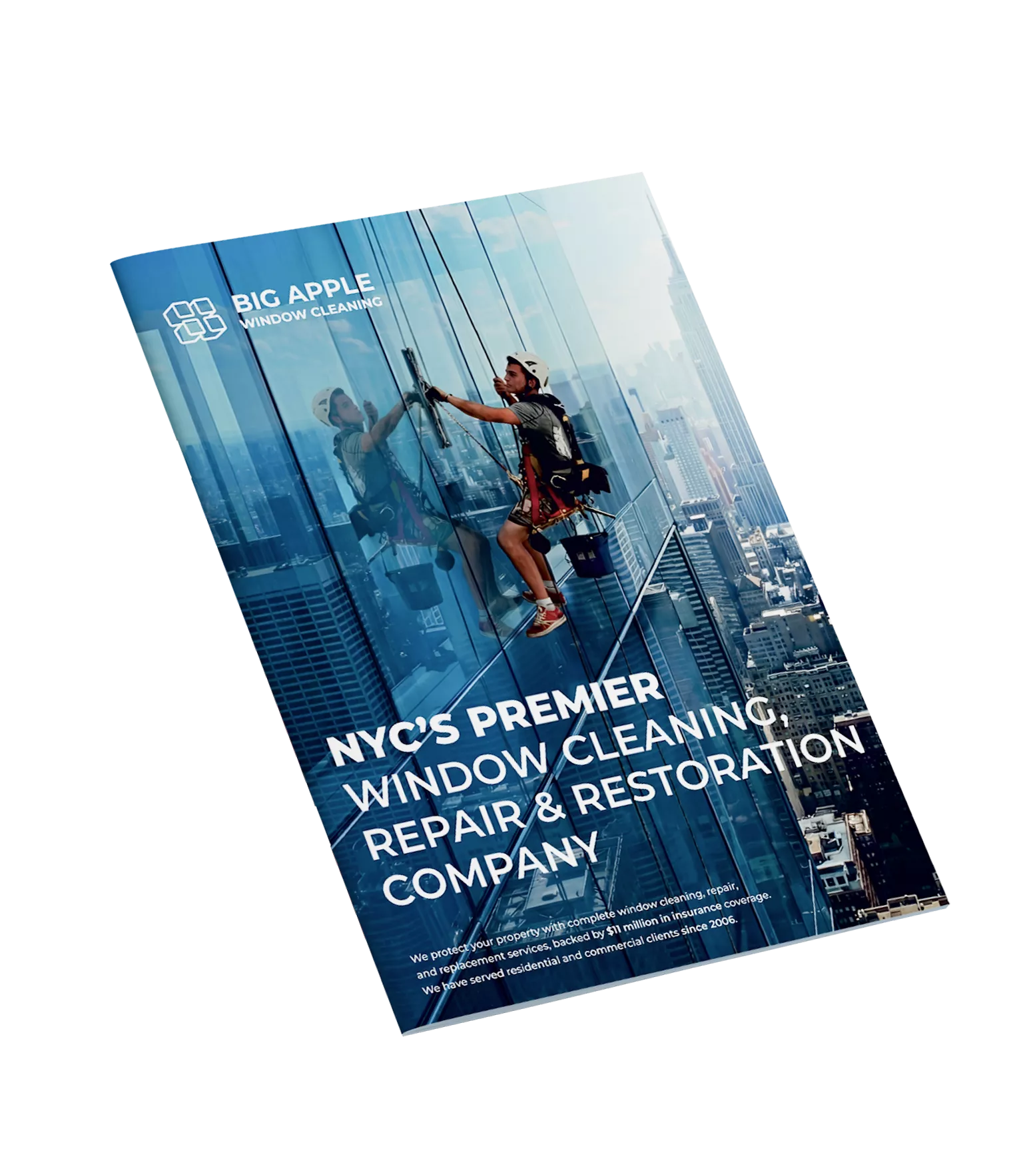
We invite you to download our comprehensive presentation, highlighting the key advantages of partnering with Big Apple Window Cleaning.
Discover how our services can enhance the appeal and maintenance of your properties, providing a pristine view for your tenants and visitors.
Mastering every type of access:
we reach where others can't
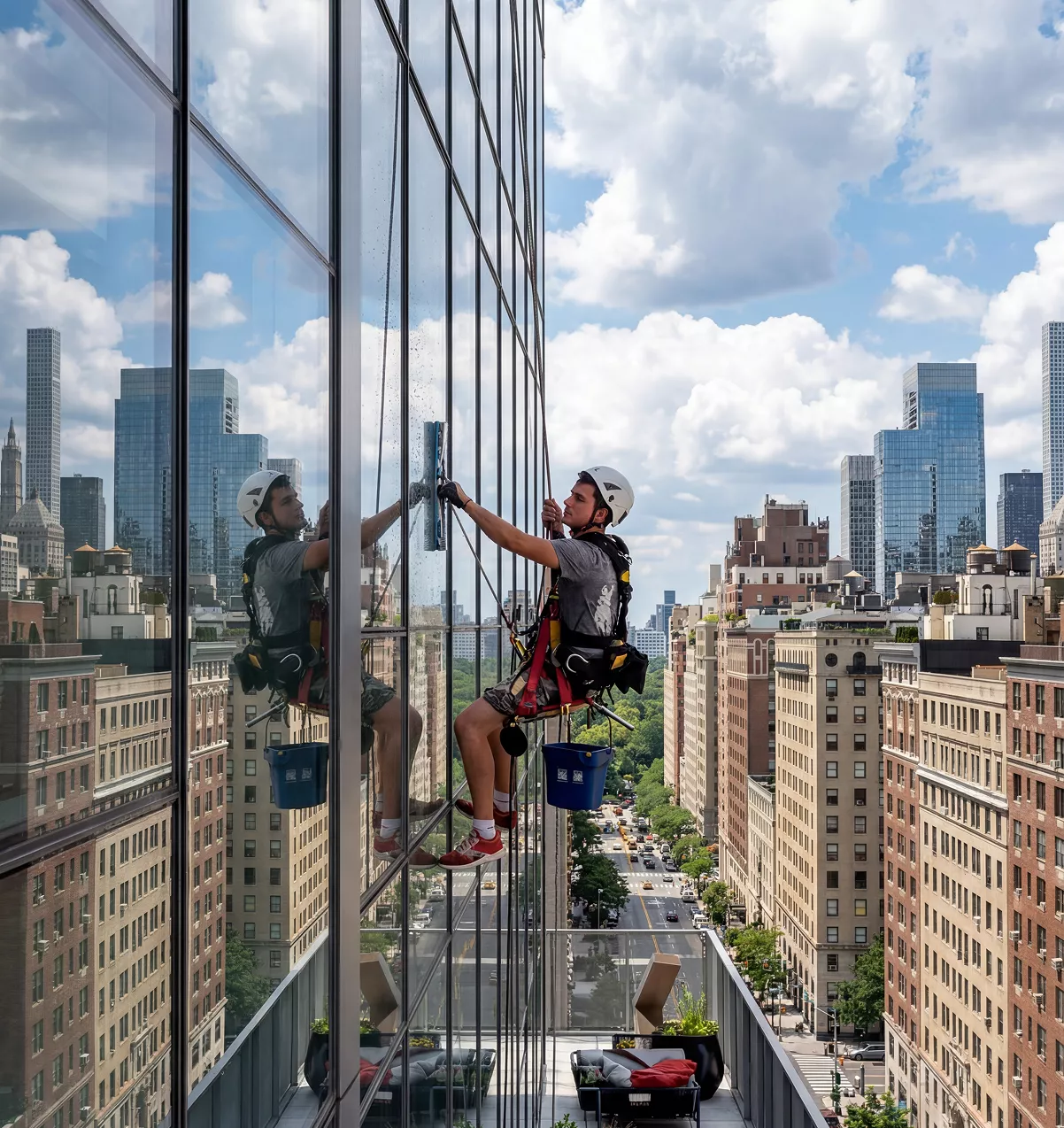
Window cleaning in the Big Apple comes with its own set of challenges, particularly when it comes to limited facade access. No matter where your property is and how hard it is to access your windows, we have the proper access solution for the most extreme heights.

Aerial Work Platforms up to 300’

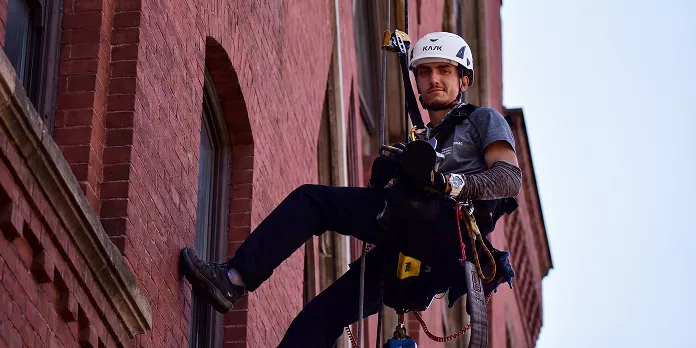
Professional Rope Access
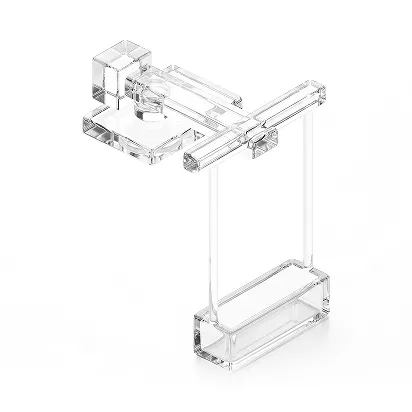
BMU and Davit Systems

Water Fed Pole
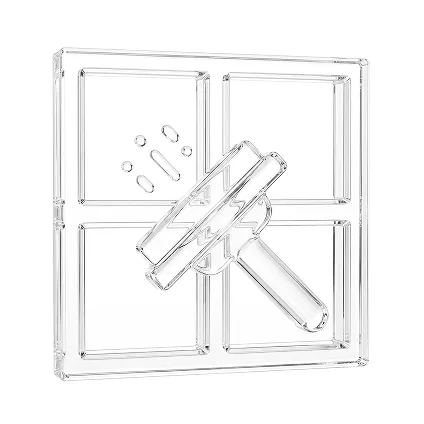
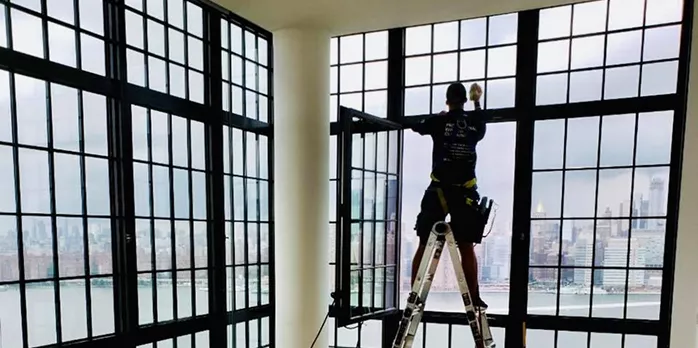
From the Inside of the Building
Top-tier insurance policy
one-on-one
We are lucky to be one of the last few who are still able to support an American Empire $11,000,000 General liability policy, specifying window cleaning operations with no height limit and no New York Labor Law/ Action Over exclusions, now required by most leading building managements.
- Window cleaning is specified as a prime service
- Interior and exterior window cleaning is covered
- No Height Limitation on a policy
- New York Labor Law or No ”Action Over” exclusions
We do our best to be at the pinnacle of industry safety standards and practices, but we believe our customers deserve peace of mind.

-
Step 1
Free Site Visit:
We come to your building, check the condition of the windows, and listen to your concerns.
-
Step 2
Clear Estimate:
You get a straightforward price with options - repair where possible, replacement where necessary.
-
Step 3
Work Around Your Schedule:
Nights, weekends, or regular hours - we fit the project into your timeline, not the other way around.
-
Step 4
Done & Dusted:
Repairs or replacements completed fast, clean, and compliant. Tenants stay happy, owners stay confident.
Experience excellence backed by certification
You can expect nothing less than excellence in window cleaning. Our services are backed by well-known certifications, rigorous training, and a proven clean track record.
The International Window Cleaning Association
As members of the International Window Cleaning Association (IWCA), we follow established industry standards for high-rise window cleaning. Our team is professionally trained to deliver safe, consistent results.
The American National Standards Institute
We operate in accordance with ANSI safety standards. Our procedures meet recognized industry requirements for quality and compliance.
Great American Insurance Group
Insured through Great American Insurance Group. Our coverage is structured for high-rise operations and commercial liability protection.
Society of Professional Rope Access Technicians
Our technicians hold SPRAT certifications for rope access work. This ensures safe and compliant high-rise operations.
The International Powered Access Federation
We are members of the International Powered Access Federation (IPAF). Our team is trained to operate aerial lift equipment safely and correctly.

Occupational Safety and Health Administration
We comply with OSHA safety requirements. Safety protocols are integrated into every project.
Useful information
-
How much does commercial window cleaning cost in NYC?
Commercial pricing is quoted after a site visit, because it depends on the building height, the access method required (poles, lifts, or rope access), the glass count, and how often you want service. A standing maintenance contract costs less per visit than one-off cleanings. We walk the building and give a clear, itemized estimate.
-
How often should a commercial building have its windows cleaned?
Most NYC commercial buildings run on a monthly or quarterly schedule, with street-facing and flagship facades cleaned more often. Class A office and retail properties usually hold a higher standard. We help you set a frequency that fits your tenant mix and budget rather than waiting until the glass is visibly dirty.
-
Can you clean without disrupting our tenants or business hours?
Yes. We schedule around your operations, including before business hours, evenings, and low-traffic windows, so customers and tenants are not affected. Our owned fleet means no rental delays, so we deploy on your timeline.
-
Do you provide a Certificate of Insurance (COI) for property managers?
Yes. We carry $11 million in general liability coverage with New York Labor Law protection plus workers compensation, and we issue a Certificate of Insurance naming your building or management company before work starts. This protects the property from liability for work performed at height.
-
Do you offer recurring maintenance contracts?
Yes. Most commercial clients use a recurring program with a dedicated account manager who handles scheduling and logistics. Our Facade 360 membership goes further, combining window cleaning with full facade maintenance and Local Law 11 / FISP support under one contract.
-
What types of commercial buildings do you service?
Office towers, mixed-use and mid-rise commercial properties, retail and restaurant storefronts, business parks, and high-rise residential buildings. With SPRAT, OSHA, and IPAF certified technicians and aerial reach up to 300 feet, we handle nearly any facade in NYC.
