
When Your NYC Windows Start Talking: A Complete Guide to Window Seals Replacement
Contents
- A Brief History: What Came Before Modern Window Seals
- What Exactly Are Window Seals - And Why There Are So Many Types
- Why NYC Is a Window Seal Destroyer
- How to Tell Your Window Seals Need Replacement
- Your Options: From Quick Fix to Full Replacement
- When to DIY and When to Call a Professional
- What About Costs and Incentives in New York
DO YOU HAVE AN URGENT NEED?
Our fast response service can fix your urgent problem. We have teams ready for action.
AND GET A FREE QUOTE
Get monthly window insight
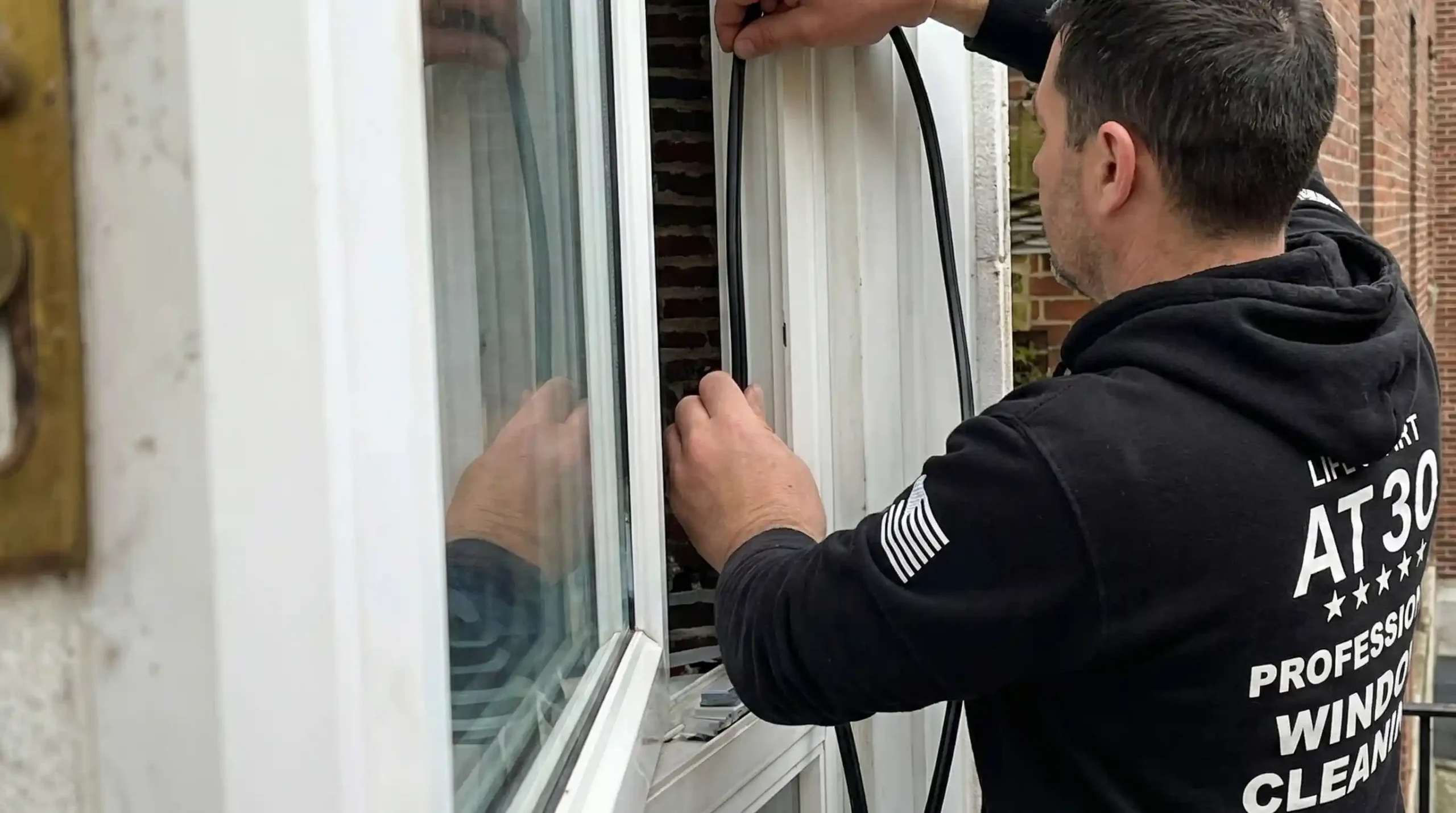
If you live in New York City long enough, your windows will eventually send you a message. It might come as a cold draft sneaking past a closed sash on a January morning. Or maybe it is that mysterious fog trapped between the panes – the kind no amount of Windex can fix. Either way, your windows are telling you one thing: it is time to think about window seals replacement.
And here is the thing most generic home improvement guides will never tell you – living in NYC means your window seals take a beating unlike anywhere else in the country. Between the salt air drifting in from the Atlantic, extreme temperature swings from brutal winters to sweltering summers, and the constant vibration from subway lines running beneath your building, window seals in New York degrade faster than the national average. Add urban pollution, construction dust, and the sheer age of the city’s housing stock, and you have got a recipe for seal failure that no suburban homeowner would ever understand.
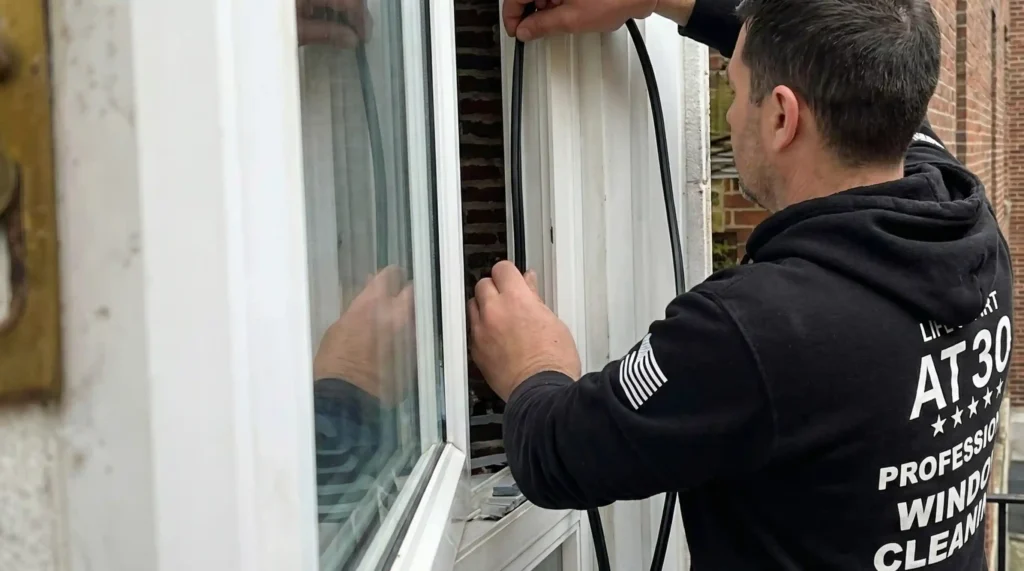
This guide to window seals replacement is written specifically for New Yorkers. Whether you are in a pre-war brownstone in Park Slope, a post-war co-op in Astoria, or a high-rise condo in Hudson Yards, here is everything you need to know about window seals replacement – from recognizing the problem to choosing the right fix.
A Brief History: What Came Before Modern Window Seals
Before we dive into the practical stuff, here is a fun bit of history. Modern window seals as we know them – EPDM rubber gaskets, silicone sealants, insulated glass units – are a relatively recent invention. For centuries, builders relied on putty made from linseed oil and whiting (chalk powder) to seal glass into wooden frames. If you have ever scraped crumbling gray paste off an old window frame in a pre-war apartment, that is exactly what you were looking at.
In the early 1900s, many NYC buildings used cotton rope soaked in linseed oil, packed tightly between sash and frame. Some tenement buildings simply relied on layers of paint to seal everything shut – which is why so many historic windows in Manhattan are literally painted closed. The first rubber gaskets for aluminum windows appeared in the 1940s and 1950s, coinciding perfectly with the post-war building boom that gave NYC thousands of those iconic aluminum-framed double-hung windows you still see across Queens, Brooklyn, and the Bronx.
“My grandmother’s apartment in Washington Heights had windows sealed with what I can only describe as ancient chewing gum mixed with prayers. Somehow it worked until 1987.” – Overheard at a NYC building board meeting.
What Exactly Are Window Seals – And Why There Are So Many Types
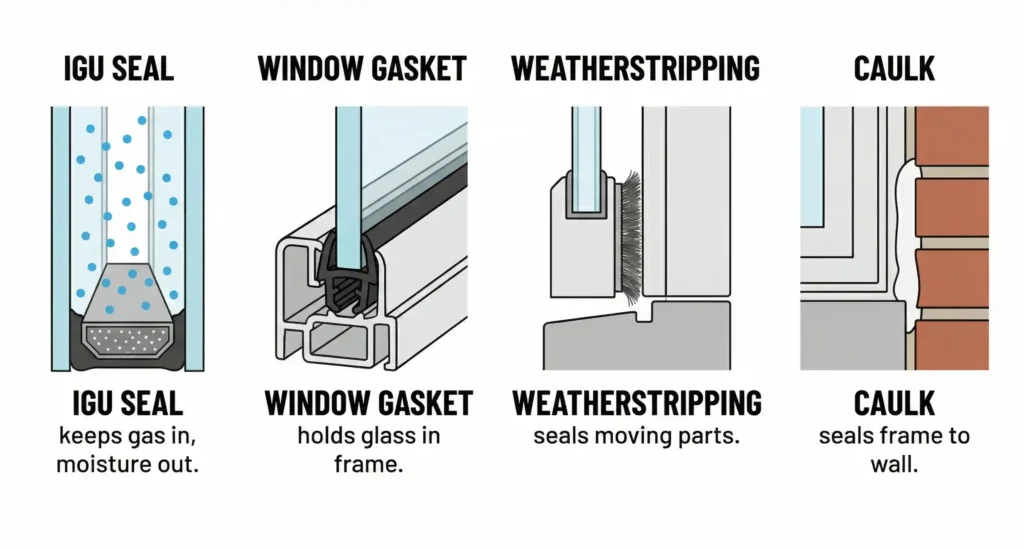
The term “window seal” gets thrown around loosely, so let us clear things up. There are actually several distinct types, and understanding the difference matters when you are planning window seals replacement for your home.
IGU Seal (Insulated Glass Unit Seal) is the perimeter sealant that holds a double-pane or triple-pane window together and traps insulating gas – usually argon or krypton – between the panes. When this seal fails, you get foggy windows and lose a significant chunk of your insulation. According to the U.S. Department of Energy, poorly sealed windows can account for up to 25-30% of residential heating and cooling energy use. In a city where winter heating bills can be brutal, that number hits your wallet hard.
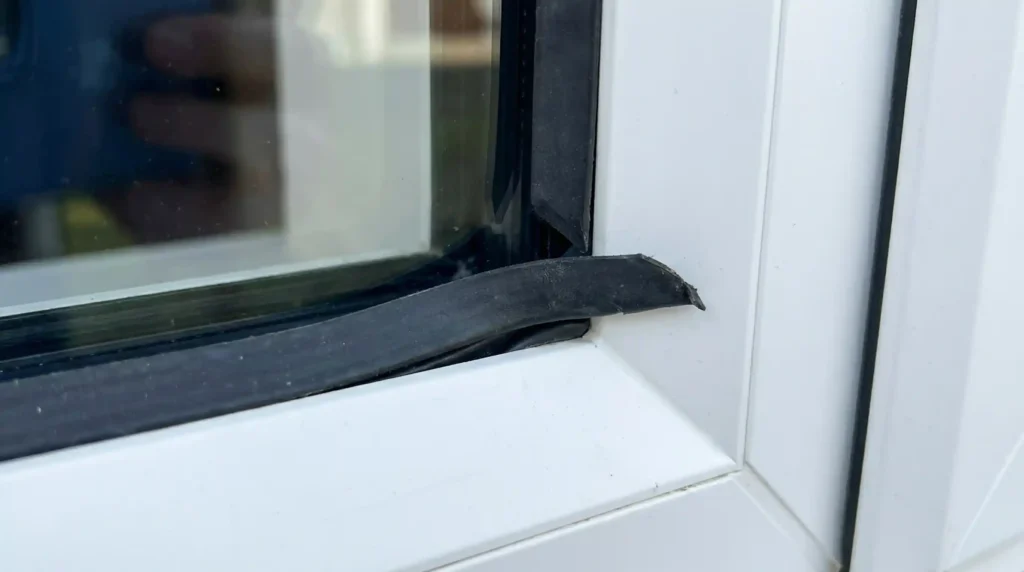
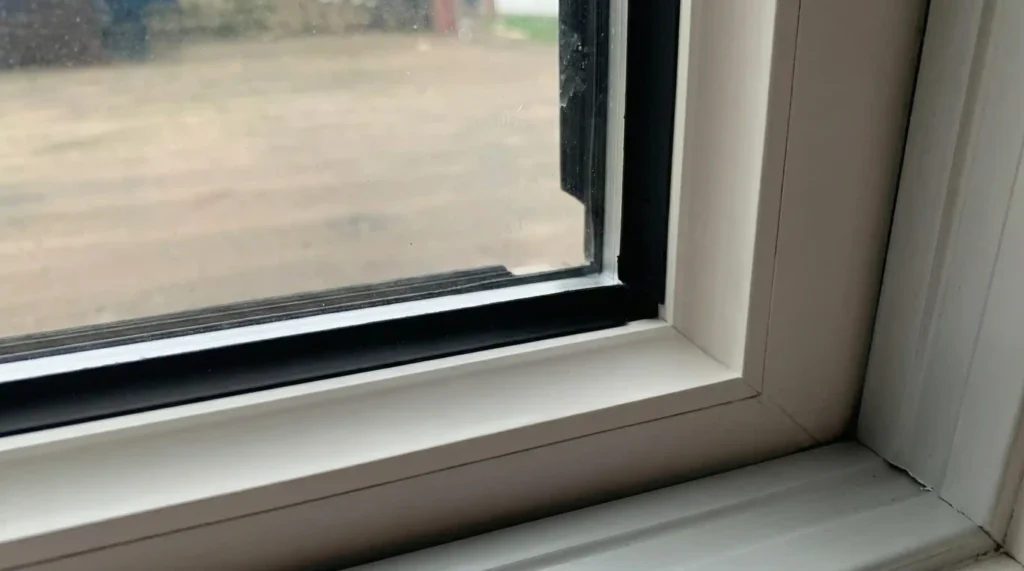
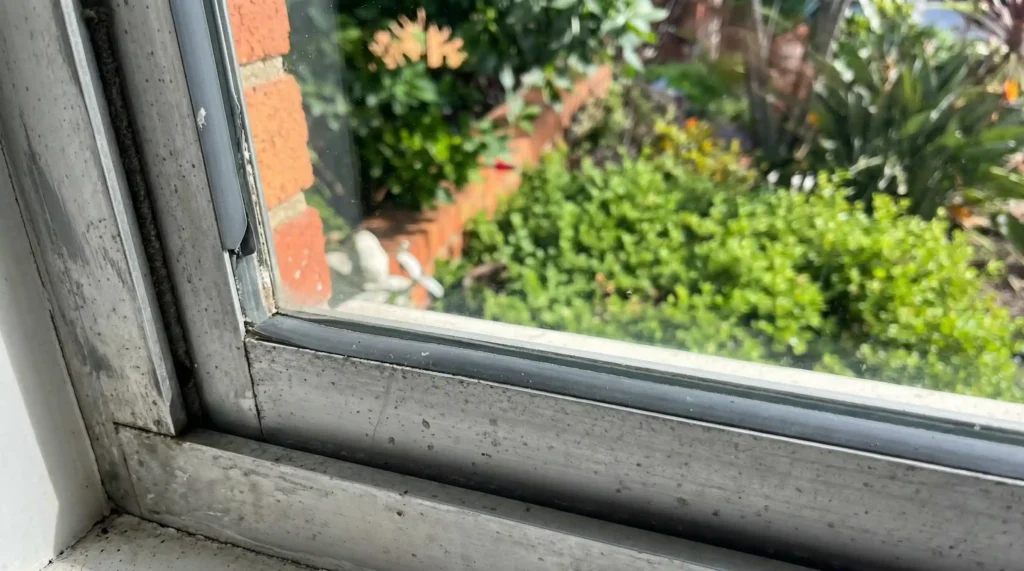
Window gaskets are the rubber or EPDM profiles that hold glass securely within the frame. In aluminum windows – extremely common across NYC’s post-war housing stock – these include wedge rubber and butterfly rubber that press into channels around the glass. Window gasket replacement becomes necessary when these rubber pieces shrink, crack, or pull away from the frame, which typically happens after 15-20 years of exposure to NYC’s climate.
Weather stripping is the flexible material running between movable and fixed window parts. Double-hung and sliding windows use sweep-type weatherstripping – the fuzzy pile strips, sometimes with a Mylar fin – that allows the sash to slide while maintaining a seal. Casement and awning windows use compression-type seals, including bulb gaskets and fins that compress when the window locks shut. Window weather stripping replacement is one of the most cost-effective upgrades you can make, since worn strips are often the single biggest source of air leaks.
Rubber seals around glass (glazing beads) are especially relevant for aluminium window rubber seal replacement. Older aluminum frames across NYC use specific rubber profiles to hold glass in place, and when these harden and shrink – which rubber inevitably does over decades – you get rattling panes, water leaks, and drafts that make February feel even more miserable than it already is.
Why NYC Is a Window Seal Destroyer
Your friend in suburban New Jersey might get 20 years out of window seals. In NYC, count on 12-15 years – and sometimes less. Here is why.
The salt factor. New York is a coastal city. Salt air from the Atlantic reaches deep into Brooklyn, Staten Island, lower Manhattan, and all of Long Island. Salt accelerates corrosion of aluminum frames and degrades rubber compounds. Industry testing shows that standard aluminum frames begin showing damage after approximately 2,000 hours of salt spray exposure – and waterfront neighborhoods in NYC get that kind of exposure continuously.
Temperature extremes. NYC experiences temperature ranges from around 0°F in winter to 100°F in summer. Every daily heating-cooling cycle causes glass and frame materials to expand and contract, putting stress on seals. This process – known as solar pumping – is particularly aggressive on south-facing and west-facing windows, which absorb the most direct sunlight. Over thousands of cycles, even quality seals begin to crack and separate.
Building vibration. This one is unique to NYC. Subway trains running beneath buildings, heavy truck traffic on avenues, and constant construction create micro-vibrations that loosen seals over time. If you live above a subway line, your window seals are working overtime.
Urban pollution. Soot, exhaust particles, and construction dust settle on seals and accelerate chemical degradation. The grime you see on the exterior of your windows is also eating away at the rubber and silicone that keeps them sealed.
Wind pressure on upper floors. High-rise residents face another challenge: wind loads increase significantly with elevation. Above the 10th floor, sustained winds can create enough pressure differential to stress window seals well beyond what ground-level windows experience.
“In New York, even the windows need therapy. Between the temperature mood swings, the salty ocean air, and the subway rumbling beneath them all night – honestly, it is a miracle they last as long as they do.”
How to Tell Your Window Seals Need Replacement
Some signs are obvious. Others are sneaky. Here is what to watch for, roughly in order from early warnings to urgent problems:
- Foggy or hazy glass between panes – the classic sign of IGU seal failure. If you cannot wipe the condensation away from either side, moisture has entered the sealed unit. Resealing double pane windows at this stage can sometimes save the glass unit, but in many cases you will need the IGU replaced.
- Visible cracks or gaps in rubber seals – inspect the rubber around your glass panes and along the frame edges. Hardened, cracked, or shrunken rubber means it is time for window rubber seal replacement.
- Drafts near closed windows – hold a lit candle or lighter near the window edges on a windy day. If the flame flickers, air is getting through. In NYC apartments, this often means your weatherstripping has worn down to nothing.
- Rising energy bills – if your Con Edison bills are climbing and your usage has not changed, failed window seals could be the culprit. Your HVAC system has to work harder to compensate for the lost insulation.
- Increased street noise – if sirens and traffic seem louder than they used to, degraded seals might be the reason. Even small gaps dramatically reduce a window’s sound insulation.
- Difficulty opening or closing windows – warped frames from moisture intrusion can make windows stick or refuse to latch properly.
- Dust and soot accumulation indoors – if your apartment seems dustier than usual despite regular cleaning, compromised seals are letting NYC’s notorious particulate matter inside.
- Water on the sill after rain – active leaks mean seals have failed enough to let water penetrate, and you need to act fast before frame damage sets in.
Your Options: From Quick Fix to Full Replacement
Not every seal problem requires the same window seals replacement solution. Here is a breakdown of approaches, starting from the least invasive.
Defogging ($60-100 per window) is a temporary cosmetic fix for foggy double-pane windows. A technician drills a small hole, removes condensation, and seals the opening. It clears the view temporarily but does not restore insulating gas or fix the underlying seal failure. In NYC’s climate, the fog typically returns within a year or two. Consider defogging only as a stopgap while you plan a more permanent solution.
Caulking and sealing ($70-200 per window) works well for gaps between the window frame and the wall, or for minor seal failures around non-moving components. This is a solid fix for older buildings where the original caulk has deteriorated. A quality silicone or polyurethane sealant applied by an experienced technician can last 10-15 years.
Weather stripping replacement (around $250 for professional installation) is arguably the best bang for your buck. Replacing worn pile strips, bulb gaskets, or compression seals restores the air barrier between sash and frame. For double-hung windows – the most common type in NYC apartments – this means replacing both the sweep-type weatherstripping on the sliding surfaces and the compression seals where the sash meets the frame when locked. Window weather stripping replacement alone can noticeably reduce drafts, noise, and energy costs.
IGU replacement ($200-600 per unit plus $150-500 labor) swaps out the failed sealed glass unit while keeping the existing frame. This is the optimal solution when the frame is still in good structural condition but the glass seal has failed. Resealing double glazed windows through IGU replacement restores full thermal and acoustic performance. For NYC co-op residents, this approach is often easier to get board approval for since it does not alter the building’s exterior appearance.
Full window replacement ($500-2,000+ per window installed) is the nuclear option – necessary when frames are rotted, warped, or structurally compromised, or when your windows are simply too old to justify further repair. In NYC, full replacement comes with additional considerations: co-op and condo boards may require specific vendors, landmarked buildings need LPC approval for any visible exterior changes, and high-rise installations require specialized equipment and safety protocols.
When to DIY and When to Call a Professional
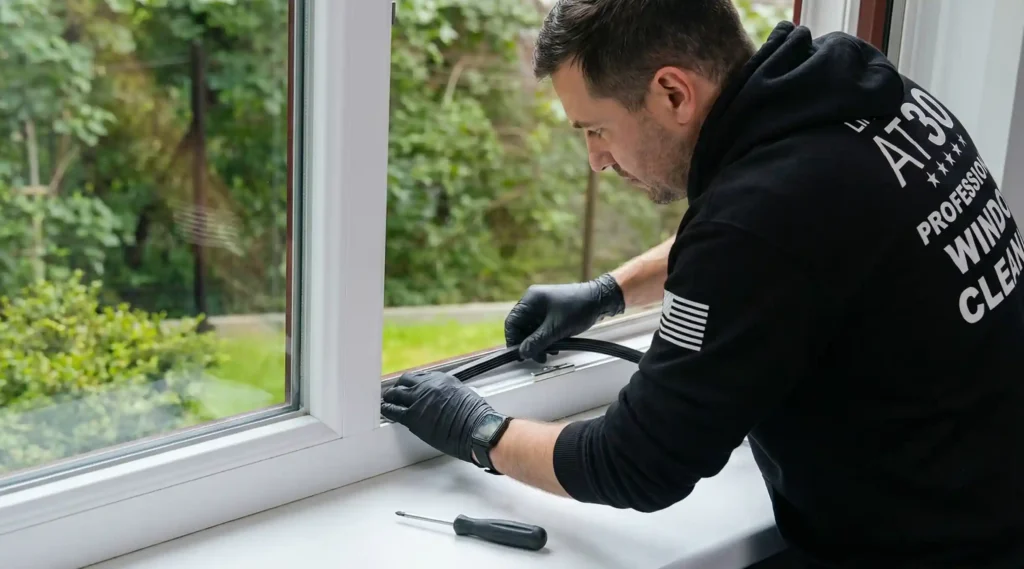
Let us be honest – some window seals replacement tasks are perfectly doable on your own. Applying self-adhesive foam tape or V-strip weatherstripping to a ground-floor window? Absolutely. Replacing a compression gasket on a casement window you can easily reach? Go for it. Re-caulking the gap between your window frame and the wall? With a steady hand and a $7 tube of silicone, you can handle that on a Saturday afternoon.
But here is where NYC makes things different. If you live above the second floor, working on exterior-facing window components becomes a safety issue. And if you are in a high-rise, it is not just impractical – it can be genuinely dangerous. The same goes for IGU replacement, which requires precise handling of heavy sealed glass units and professional sealing techniques to prevent the insulating gas from escaping. At Big Apple Window Cleaning, we regularly handle window seals replacement and glass repair for buildings across all five boroughs and Long Island – from brownstones to 40-story towers. We have the SPRAT-certified rope access technicians and the equipment to reach windows at any height safely, which is something no DIY tutorial on YouTube is going to give you.
For aluminium window rubber seal replacement in particular – common in NYC’s post-war buildings – getting the right rubber profile is half the battle. These seals come in specific sizes and shapes, and using the wrong one means the glass will not seat properly, leaving you with leaks and potential safety issues. A professional glazier or window repair specialist will know how to source the correct profile and install it without damaging the frame or glass.
As the AAMA/WDMA/CSA 101 standard for windows and doors emphasizes, proper weatherstripping selection and installation directly affects a window’s air infiltration performance rating. Getting this wrong does not just waste money – it can void manufacturer warranties and lead to bigger problems down the road.
What About Costs and Incentives in New York
Here is the good news for NYC homeowners considering window seals replacement. While window seals replacement itself is relatively affordable – especially compared to full window replacement – there are also financial incentives that can help offset the cost of broader energy efficiency improvements.
The NYSERDA Comfort Home program offers incentives for “seal and insulate” packages, including up to $3,500 for combined air sealing, insulation, and window retrofitting. Income-eligible New Yorkers can also access the EmPower+ program, which provides funding for energy efficiency upgrades. And while the federal Energy Efficient Home Improvement Tax Credit primarily covers full window replacements (up to $600 for ENERGY STAR-certified windows through 2025), the air sealing component of window maintenance may qualify as part of a broader home energy improvement.
For the average NYC apartment dweller looking to simply fix window seal problems, the math is straightforward. Professional window seals replacement for weatherstripping and gaskets typically runs $100-250 per window. Compare that to a full window replacement at $500-2,000+ per window – often far more in NYC co-ops and condos where building requirements drive costs even higher – and it is clear that maintaining and replacing seals is a smart investment that can extend the life of your existing windows by years.
Window seals replacement is not the flashiest home improvement topic. Nobody is posting their new weatherstripping on Instagram. But in a city where energy costs are high, street noise is relentless, winter winds are punishing, and building management can make a full window replacement feel like navigating the UN General Assembly – keeping your seals in good shape is one of the smartest, most cost-effective things you can do for your comfort and your wallet.
If you are noticing drafts, fog, or rising energy bills, do not wait. Small seal problems become big seal problems, and in NYC’s aggressive climate, that timeline is shorter than you might think. Start with an inspection – check your weatherstripping for wear, look for gaps in caulking, and examine your glass for signs of IGU failure. For anything beyond a simple DIY fix – especially in high-rise buildings or when dealing with older aluminum-framed windows – Big Apple Window Cleaning has the expertise, the certifications, and the $11 million insurance coverage to handle window seals replacement safely and professionally, no matter what borough or building type you call home.
Your windows have been protecting you from New York for years. It is time to return the favor.
FURTHER READING
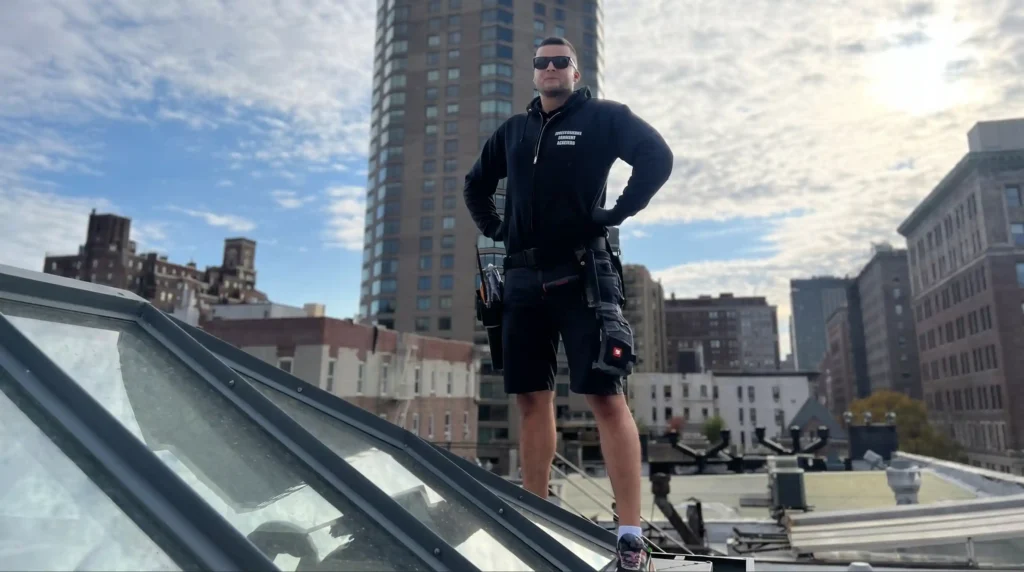
Roof Lantern Cleaning: A Professional Guide for New York Homeowners
Roof Lantern Cleaning: A Professional Guide for New York Homeowners Your roof lantern was supposed to flood the room with light. Instead, it is flooding the room with guilt every time you look up and see a layer of grime that could double as modern art. If you live in Brooklyn or Manhattan, you already […]
Explore more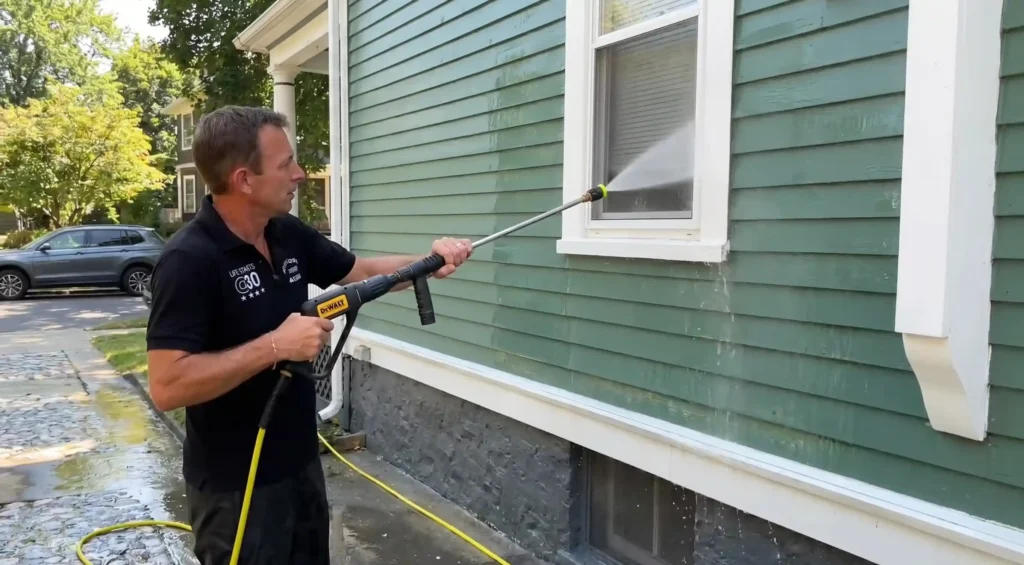
House Facade Cleaning: A No-Nonsense Guide for Homeowners Who’d Rather Not Watch Their Walls Crumble
Your home’s facade does a thankless job. Day after day, it stands between your family and everything the urban environment throws at it – diesel exhaust from delivery trucks, pigeon droppings with the pH of battery acid, mysterious black streaks that seem to appear overnight, and that persistent green fuzz on the north-facing wall that […]
Explore more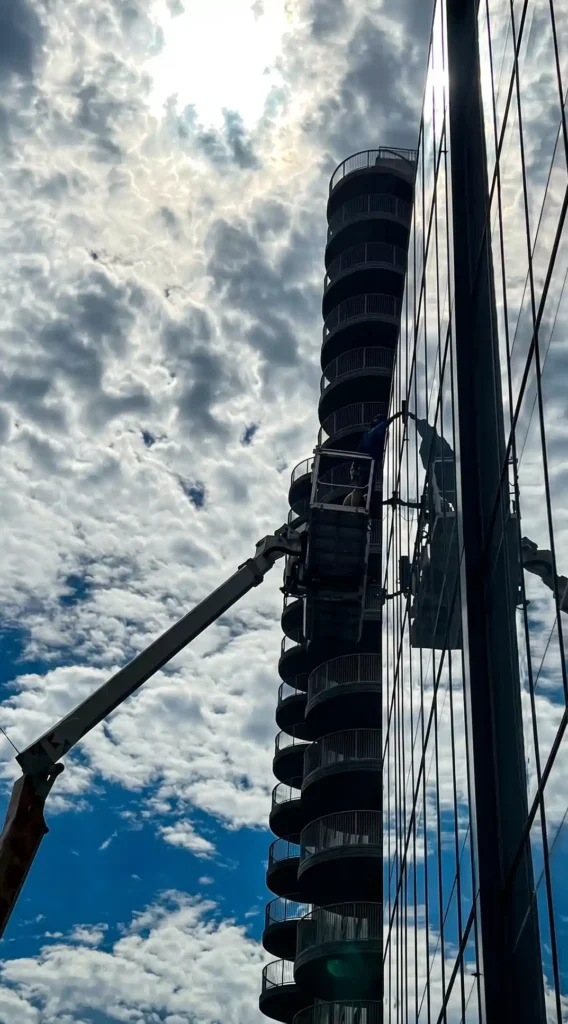
Commercial Facade Cleaning: What Every Building Owner in New York City Needs to Know
Your building talks about you before you ever open your mouth. A grimy exterior covered in soot, pigeon souvenirs, and mysterious streaks tells visitors, tenants, and potential buyers exactly one thing – nobody here cares. Research shows it takes roughly seven seconds to form a first impression, and in a city where commercial real estate […]
Explore more