
Replacing Windows in a House: The New York City Homeowner’s No-BS Guide
Contents
- When Your Windows Are Telling You Something
- Pocket Replacement vs. Full-Frame: Which One Do You Actually Need?
- Frame Materials: What Actually Works in New York
- The Technical Side: Understanding Window Performance Ratings
- The NYC Obstacle Course: Permits, Boards, and Bureaucracy
- Tax Credits: The Party Is Over (Mostly)
- Repair or Replace? A Practical Decision Framework
- What It Really Costs to Change House Windows in NYC
- Timing Your Project Right
- FAQ
DO YOU HAVE AN URGENT NEED?
Our fast response service can fix your urgent problem. We have teams ready for action.
AND GET A FREE QUOTE
Get monthly window insight
Your heating bill just hit a number that made you question your life choices. The draft coming through your bedroom window could extinguish a birthday cake from across the room. And that mysterious fog between the glass panes? It is not a design feature – it is your window begging for retirement. If any of this sounds familiar, you are probably ready to start replacing windows in a house that deserves better.
But this is New York City, not some quiet suburb where you can just pop out old windows and slide in new ones over a weekend. Between co-op board approvals, landmark restrictions, and the logistical nightmare of getting materials up to a 14th-floor apartment in Brooklyn Heights, changing home windows here is a whole different ballgame.
“In New York, replacing a window takes three things: a good contractor, a patient spouse, and a board approval thicker than a Tolstoy novel.” – NYC contractor humor
This guide walks you through every step of the home window replacement process – from recognizing when your windows are past saving to navigating the red tape that makes NYC renovations legendary.
When Your Windows Are Telling You Something
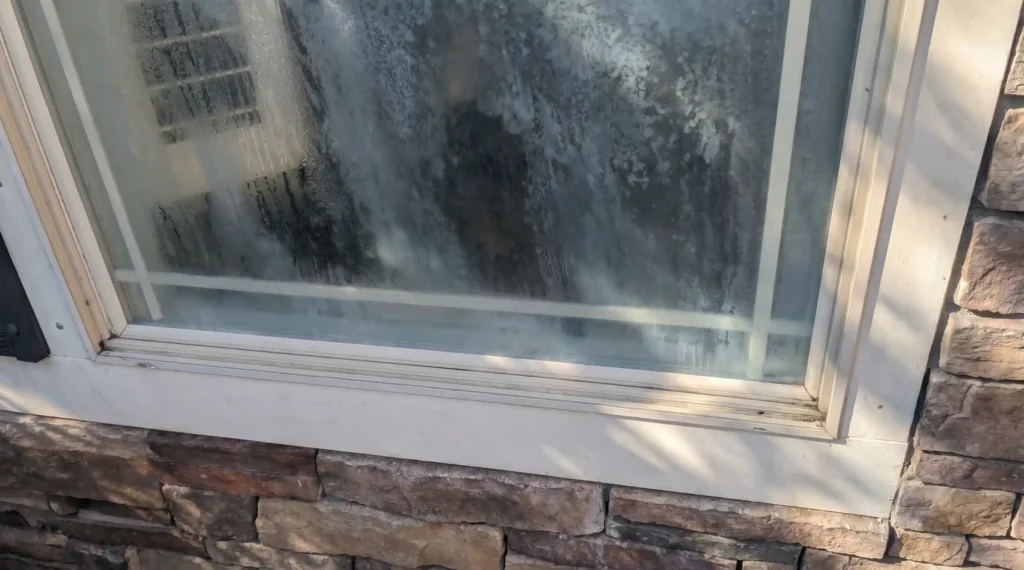
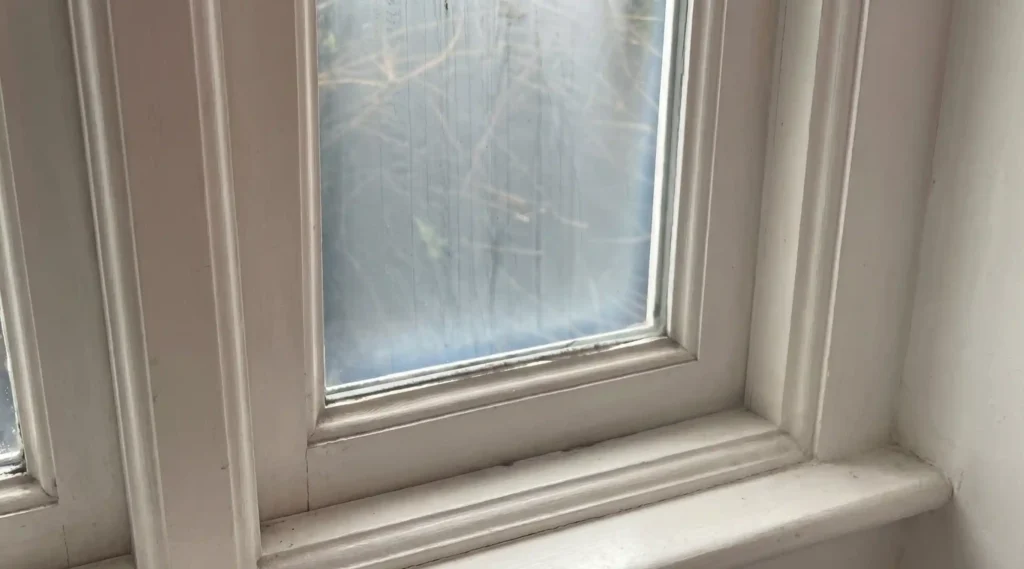
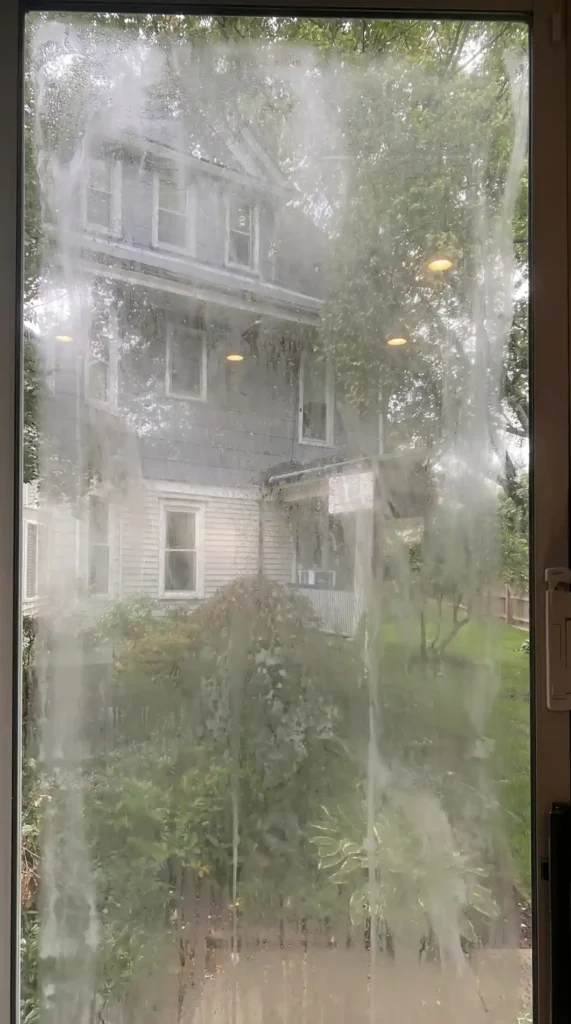
Changing home windows is not always the answer – not every drafty window needs a full replacement. Sometimes a simple repair, fresh caulk, or new weatherstripping does the job. But there are clear signs that changing home windows is the only real solution:
- Visible condensation or fog trapped between double-pane glass, which signals a failed seal that cannot be repaired
- Wood rot or warping in the frame, especially common in pre-war buildings across the Upper West Side and Park Slope
- Difficulty opening or closing the sash, often caused by foundation settling or years of paint buildup
- A noticeable spike in energy bills with no other explanation
- Excessive street noise bleeding through, even with the window fully shut
According to the U.S. Department of Energy, heat gain and loss through windows account for 25% to 30% of residential heating and cooling energy use. In a city where winter winds rip through the avenues and summer humidity feels like a personal insult, that percentage hits your wallet hard.
Pocket Replacement vs. Full-Frame: Which One Do You Actually Need?
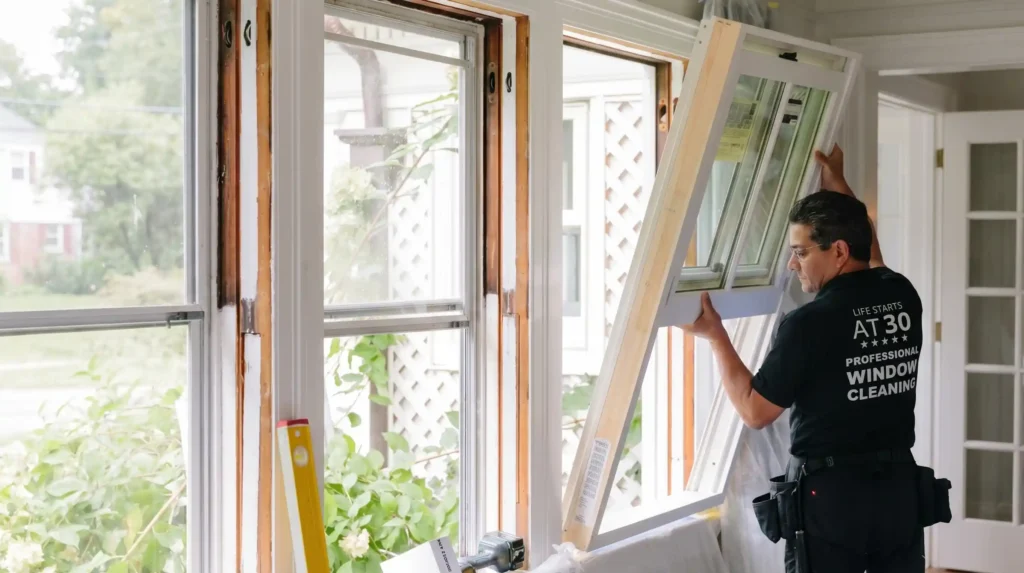
When homeowners decide to change house windows, they face a fundamental choice between two installation methods. The right option depends on the condition of your existing frames and how much disruption you can handle.
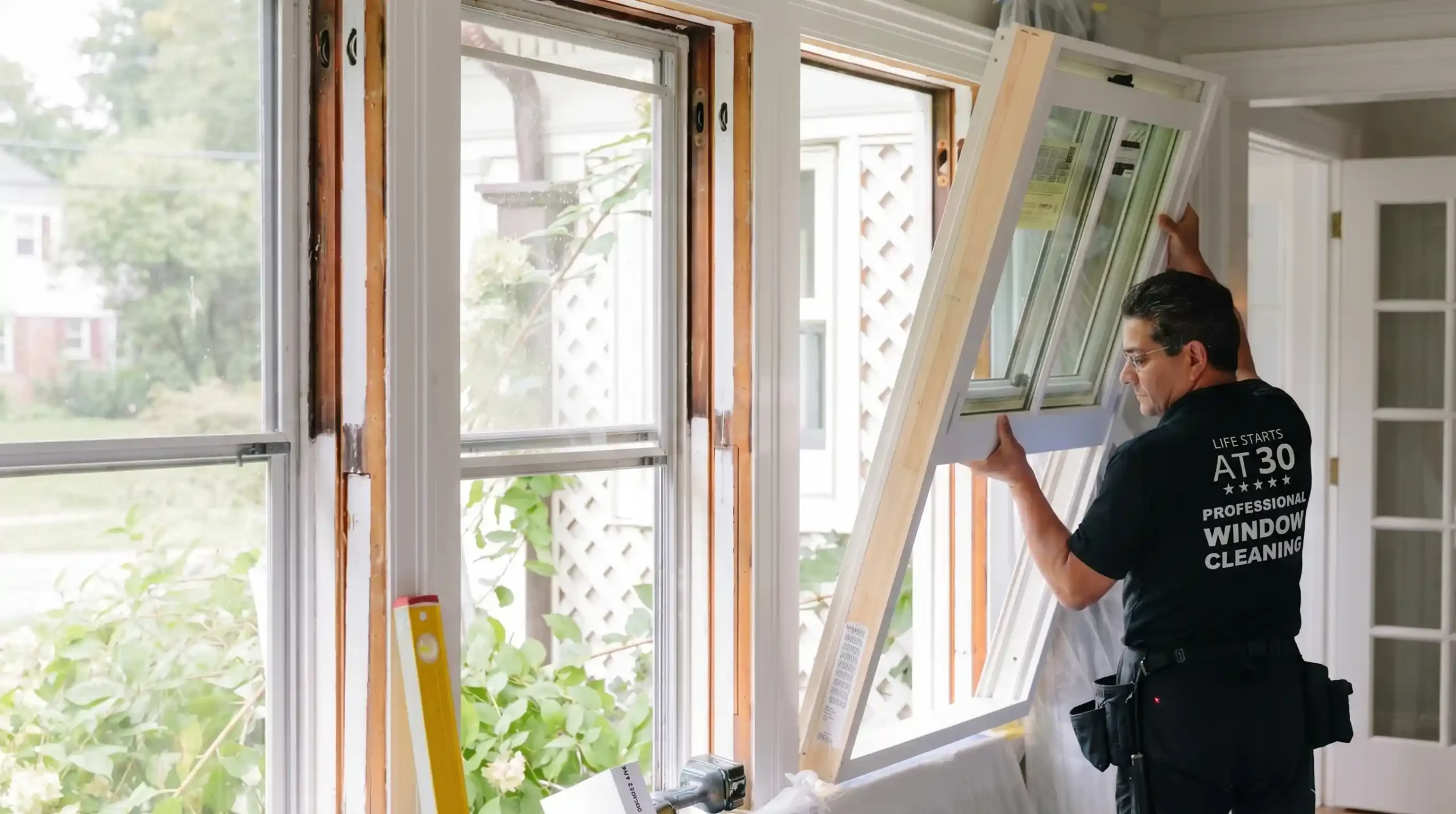
Pocket (insert) replacement means sliding a new window into the existing frame. It is faster, cleaner, and causes minimal disruption to interior trim and exterior siding. The trade-off is a slightly smaller glass area since the new window sits inside the old frame. For most NYC apartments, this is the preferred option because it generates less dust, less noise, and fewer complaints from neighbors.
Full-frame replacement removes everything down to the rough opening. This approach costs more and takes longer, but it lets the contractor inspect for hidden damage like water infiltration, missing insulation, or rotted structural members. If your building dates back to the early 1900s – and in neighborhoods like Astoria or Washington Heights, many do – full-frame replacement often reveals problems that need fixing before new windows go in.
Frame Materials: What Actually Works in New York
Choosing the right frame material matters more in NYC than in most places. The combination of salt air, urban pollution, extreme temperature swings, and subway vibrations puts serious stress on window components.
| Material | Avg. Cost Per Window (Installed) | Lifespan | Maintenance | Best For |
| Vinyl | $400 – $1,200 | 20 – 40 years | Minimal | Budget-conscious projects |
| Fiberglass | $600 – $1,500 | 40+ years | Minimal | NYC climate resilience |
| Wood | $800 – $3,000 | 20 – 30 years | High (painting, sealing) | Historic/landmark buildings |
| Aluminum | $350 – $1,100 | 30+ years | Low | Commercial, modern aesthetics |
| Composite | $700 – $1,800 | 40+ years | Low | Best of both worlds |
For most New Yorkers who are changing home windows, fiberglass offers the best balance. It does not warp in summer heat, does not become brittle in January cold, and it convincingly mimics the look of wood – which matters if you need to satisfy the Landmarks Preservation Commission.
The Technical Side: Understanding Window Performance Ratings
When you start comparing products for your home window replacement project, you will encounter a wall of technical specifications. Here is what actually matters.
| Metric | What It Measures | Ideal Range for NYC (Climate Zone 4A) | Why It Matters |
| U-Factor | Rate of heat loss | 0.25 – 0.30 or lower | Lower means better insulation |
| SHGC | Solar heat admitted | 0.25 – 0.40 | Lower reduces cooling costs |
| VT (Visible Transmittance) | Natural light allowed in | 0.40 – 0.60 | Higher means more daylight |
| Air Leakage | Drafts through window | 0.30 cfm/ft or less | Lower means fewer drafts |
| STC (Sound Transmission Class) | Noise reduction | 28 – 35+ | Higher blocks more noise |
The STC rating deserves special attention in New York. If you live near a busy intersection, elevated subway line, or construction site, a window with an STC rating above 32 can make the difference between sleeping peacefully and questioning every life decision that brought you to this apartment.
The ENERGY STAR program provides certified product directories where you can verify whether a specific window meets efficiency standards for your climate zone.
The NYC Obstacle Course: Permits, Boards, and Bureaucracy
Here is where replacing windows in a house or apartment in New York City diverges dramatically from the rest of the country. Depending on your building type and location, you may need to navigate several layers of approval before a single pane of glass gets swapped.
Co-op and condo boards treat windows as part of the building’s exterior. That means you will likely need board approval through an alteration agreement. The typical process involves submitting detailed plans, proof of contractor insurance ($1 million to $2 million in general liability), and sometimes a review by the building’s engineer. Alteration fees alone can run $1,000 to $5,000, with refundable security deposits of $5,000 to $20,000 on top of that. Most boards restrict construction to weekdays between 9 AM and 5 PM.
Landmarks Preservation Commission (LPC) approval is required if your building sits in one of NYC’s many historic districts. Replacement windows on primary facades must match the originals in configuration, material, and finish. The LPC may reject a vinyl window on a historic brownstone’s street-facing facade, even if the old wooden windows are falling apart. Their fact sheet specifies that glazing area diminution cannot exceed 6% for wood windows and 10% for metal windows.
NYC Department of Buildings (DOB) may require an Alt-3 permit for window replacement, especially if the opening size changes. If your building predates 1978, the EPA’s Renovation, Repair and Painting (RRP) Rule kicks in, requiring your contractor to be a Lead-Safe Certified Firm. Violations carry penalties up to $44,792 per day – this is not something to gamble on.
Tax Credits: The Party Is Over (Mostly)
If you have been reading older articles about window replacement on house upgrades and expecting a generous tax break, here is the reality check for 2026. The federal Energy Efficient Home Improvement Credit (Section 25C) – which offered 30% back on qualifying windows up to $600 per year – expired on December 31, 2025. The One Big Beautiful Bill Act accelerated the sunset from the original 2032 deadline.
If you installed qualifying windows before that cutoff, you can still claim the credit on your 2025 tax return. But for new projects in 2026, the federal incentive is gone. Check with your utility provider for any remaining local rebates – Con Edison and National Grid occasionally offer incentives for energy-efficient upgrades.
Repair or Replace? A Practical Decision Framework
Before committing to a full home window replacement, consider whether targeted repairs might solve your problem at a fraction of the cost:
- A failed insulated glass unit (IGU) can be replaced for $280 to $325, far less than a new window
- Broken balances, hardware, and tilt latches are replaceable components
- Adding weatherstripping and fresh caulk can eliminate most drafts
- Low-E storm windows can cut heating and cooling costs by 10% to 30% at about one-third the cost of full replacement
For buildings regulated by the LPC, repair is always the preferred option when considering window replacement on house facades in historic districts. Storm window installations are typically approved at staff level without a full hearing – a much simpler path than proposing complete window replacement on a house with historic significance.
“The only thing in NYC that moves slower than a co-op board approval is the L train on a Monday morning.” – Anonymous homeowner
That said, there comes a point where patching old windows costs more in annual energy waste than investing in proper replacements. If your windows are original to a pre-war building and single-pane, the math almost always favors replacement.
What It Really Costs to Change House Windows in NYC
National averages for window replacement on house projects hover around $300 to $2,500 per window. In New York City, expect the higher end of that range – and then some. High-rise access, permit fees, board-mandated insurance, lead paint compliance, and limited work hours all push costs upward.
For a typical NYC apartment with 8 to 12 windows, a realistic budget for a full project ranges from $10,000 to $30,000 or more, depending on building type, floor level, and material choices. Companies that specialize in residential window replacement in the five boroughs – including Big Apple Window Cleaning, which handles everything from single-pane swaps to full building projects – can provide accurate estimates based on your specific situation.
Getting multiple quotes is essential. A good contractor will break down the cost by materials, labor, permits, and any building-specific fees. If someone gives you a flat number without seeing the job site, keep looking.
Timing Your Project Right
The best time to change house windows in NYC is late fall or early winter, when contractors offer off-season discounts of 20% to 30% and scheduling is more flexible. Spring and early summer are peak season, which means longer wait times and higher prices.
Keep in mind that custom windows can take 8 to 16 weeks to manufacture. If your co-op board meets monthly, factor in at least 4 to 8 weeks for approval. Whether you plan to change house windows in a single-family home or coordinate a home window replacement across an entire co-op building, planning ahead is not optional here – it is survival.
For residents of Staten Island and other single-family home areas, the process is more straightforward. No board approval, fewer access constraints, and the option to do phased replacements room by room without disrupting an entire building. Still, Big Apple Window Cleaning recommends scheduling a professional assessment before replacing windows in a house to determine whether repair or full replacement is the smarter investment.
FAQ
It depends. If you are replacing windows in a house or apartment without changing the size of the opening, a DOB permit may not be required. However, if your building is landmarked or in a historic district, you will need LPC approval regardless. Co-op and condo buildings almost always require board approval through an alteration agreement.
For a single-family home with 10 to 15 windows, a professional crew typically completes the job in 1 to 3 days. In NYC apartment buildings, the timeline stretches significantly due to board approval (4 to 12 weeks), manufacturing lead time (8 to 16 weeks), and restricted work hours.
You can absolutely replace windows individually. However, doing a complete home window replacement all at once usually saves money on labor and ensures uniform appearance – which many co-op boards require for exterior consistency.
According to industry data, homeowners recoup 67% to 72% of vinyl window replacement on house projects at resale. Beyond ROI, new windows reduce energy bills, block street noise, and improve daily comfort – benefits that are hard to put a dollar figure on.
Fiberglass offers the best combination of durability, energy efficiency, and aesthetic flexibility for most NYC applications. For landmark buildings where wood is required on the primary facade, consider wood-clad options with fiberglass or vinyl cores to minimize maintenance.
The federal Section 25C credit expired on December 31, 2025. No new federal window tax credit has been announced for 2026. Check local utility programs and state incentives, as some may still offer rebates for energy-efficient upgrades.
FURTHER READING

Article by Dayne Watkins


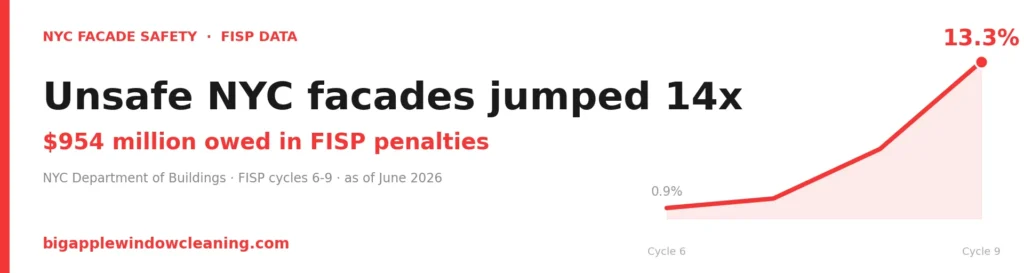
Unsafe NYC Facades Jumped 14x. The $954 Million Reason Owners Hide Them Instead of Fixing Them
On May 16, 1979, a 17-year-old Barnard student named Grace Gold was walking near Broadway and 115th Street when a piece of masonry broke loose from the eighth floor of a Columbia-owned building and killed her. Her death produced Local Law 10 of 1980, the first law in New York City requiring periodic facade inspections […]
Explore more
Roof Lantern Cleaning: A Professional Guide for New York Homeowners
Your roof lantern was supposed to flood the room with light. Instead, it is flooding the room with guilt every time you look up and see a layer of grime that could double as modern art. If you live in Brooklyn or Manhattan, you already know that city air does not play fair with glass […]
Explore more
House Facade Cleaning: A No-Nonsense Guide for Homeowners Who’d Rather Not Watch Their Walls Crumble
Your home’s facade does a thankless job. Day after day, it stands between your family and everything the urban environment throws at it – diesel exhaust from delivery trucks, pigeon droppings with the pH of battery acid, mysterious black streaks that seem to appear overnight, and that persistent green fuzz on the north-facing wall that […]
Explore more