
Rooftop Skylight Cleaning in New York: What Every Homeowner Should Know Before the Glass Turns Gray
Contents
- Why Rooftop Skylights Get Dirtier in the City
- Types of Skylights and Why They Matter for Cleaning
- The Safety Problem Nobody Talks About
- What Professional Rooftop Skylight Cleaning Looks Like
- Seasonal Schedule for New York Residents
- Streets Where Rooftop Skylight Cleaning Is Most in Demand
- When Cleaning Will Not Solve the Problem
DO YOU HAVE AN URGENT NEED?
Our fast response service can fix your urgent problem. We have teams ready for action.
AND GET A FREE QUOTE
Get monthly window insight
A skylight can transform a dim brownstone parlor into the brightest room in the house. It pulls daylight down through narrow floor plans, opens up cramped stairwells, and makes a 20-foot-wide row house feel twice its size. But that same glass panel sitting on your roof collects everything the city throws at it – diesel soot from delivery trucks, calcium deposits from hard water, pigeon droppings that etch into the surface, and a fine layer of construction dust that never really stops falling. When the light starts looking dull and yellowish instead of crisp and clear, it is time to think about rooftop skylight cleaning.
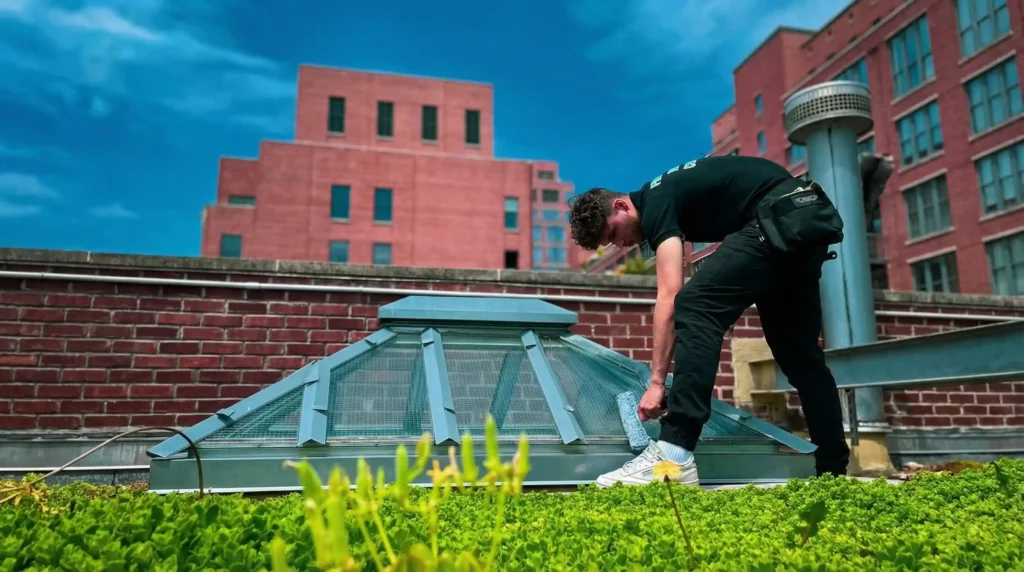
Most homeowners in New York put it off for years. They do not realize how much light they are losing until a professional wipes the glass and the room below suddenly looks different. This article covers the types of skylights common in New York buildings, the real dangers of cleaning them yourself, what professional skylight cleaning actually involves, and the warning signs that mean your skylight needs more than just a good scrub.
Why Rooftop Skylights Get Dirtier in the City
A skylight on a farmhouse in Vermont and a skylight on a brownstone in Park Slope live in two completely different worlds. Urban air carries a cocktail of particulate matter that suburban and rural skylights never encounter. Diesel exhaust from buses, trucks, and construction equipment leaves a greasy black film that bonds to glass over time. Acidic pigeon droppings – an unavoidable reality on any rooftop in New York – can actually etch and weaken the glass surface if left for months. Construction fallout from nearby renovation projects adds calcium dust and concrete particles to the mix.
All of this means that skylight cleaning in New York needs to happen more frequently than the generic “twice a year” advice you will find in most online guides. Depending on your neighborhood and how much construction activity surrounds your building, rooftop skylight cleaning every four to six months is a more realistic schedule. Buildings near major corridors or active development zones may need it even more often.
Types of Skylights and Why They Matter for Cleaning
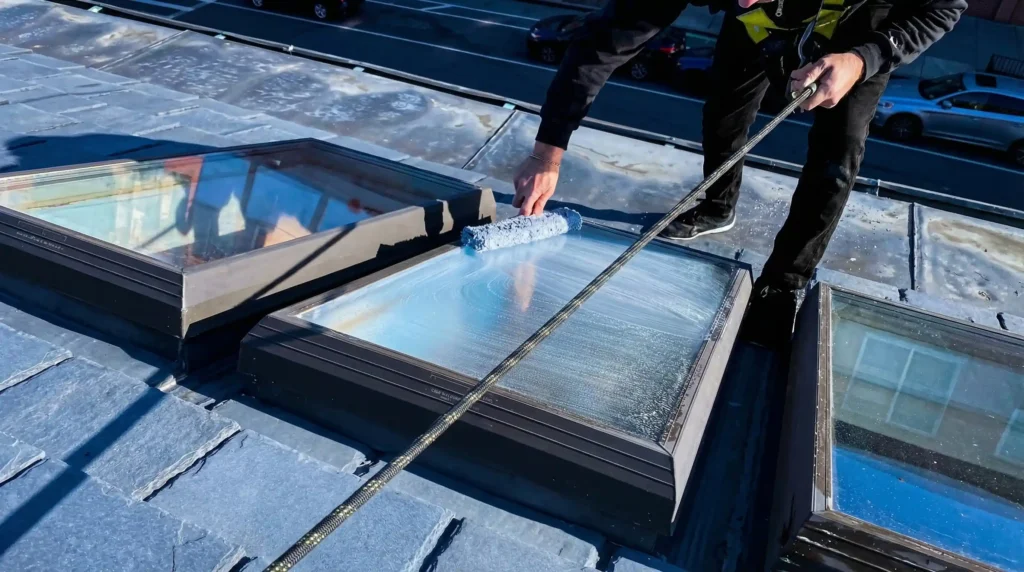
Not all skylights are created equal, and using the wrong cleaning method on the wrong material can cause permanent damage. Here are the main types you will find on residential rooftops across Manhattan, Brooklyn, and the outer boroughs:
- Tempered glass skylights are the most common in modern installations. They can handle standard glass cleaners and a professional squeegee without issue.
- Laminated glass skylights are required by the New York City Building Code for sloped glazing over occupied spaces. They need a safety interlayer of at least 30 mils, and cleaning should avoid harsh solvents that could affect the laminate edges.
- Low-E coated glass has a thin metallic oxide layer that improves energy efficiency but demands special care. Ammonia-based cleaners, alcohol-based products, and metal squeegees can damage the coating and reduce its thermal performance by 10 to 15 percent. A vinegar-and-water solution at a 1:10 ratio is the safest option for the coated side.
- Acrylic and polycarbonate skylights are common in older buildings and budget installations. They scratch easily, yellow from UV exposure over time, and will crack if cleaned with ammonia, acetone, or standard glass cleaners like Windex.
Mounting style also affects the cleaning approach. Curb-mounted skylights – the most common type on the flat and low-slope roofs typical of New York brownstones – sit on a raised wooden frame that collects debris around its perimeter. That perimeter needs clearing during every rooftop skylight cleaning session to keep drainage channels open and prevent water from pooling against the seals. Deck-mounted skylights sit lower on the roof and are more common on pitched roofs in suburban areas.
For homeowners unsure about what type of skylight they have, VELUX’s product support page offers a useful starting point for identifying materials and recommended cleaning methods.
The Safety Problem Nobody Talks About
Here is the part that most skylight cleaning guides gloss over with a single sentence about wearing non-slip shoes. The reality is far more serious.
According to OSHA data, falls are the leading cause of death in the construction industry, accounting for roughly 30 percent of all fatalities. A study of 55 fatal rooftop falls investigated by OSHA found that 24 of them – nearly half – involved workers falling through skylights. A NIOSH survey across seven states revealed that 22 percent of all fatal workplace falls happened when someone went through a skylight opening.
The reason is simple: skylights are not weight-bearing. The glass or plastic that lets light into your home will not hold a person’s weight, regardless of how sturdy it looks from inside. NIOSH engineers estimated that a 200-pound person falling against a skylight transmits 400 to 500 pounds of force – far beyond what most residential skylights can handle.
OSHA classifies every skylight as a “hole” in the roof surface, no matter what material covers it. Federal regulations under 29 CFR 1926.501 require fall protection – personal arrest systems, covers, or guardrails – for any worker near a skylight at heights above six feet. This is not a suggestion. It is federal law.
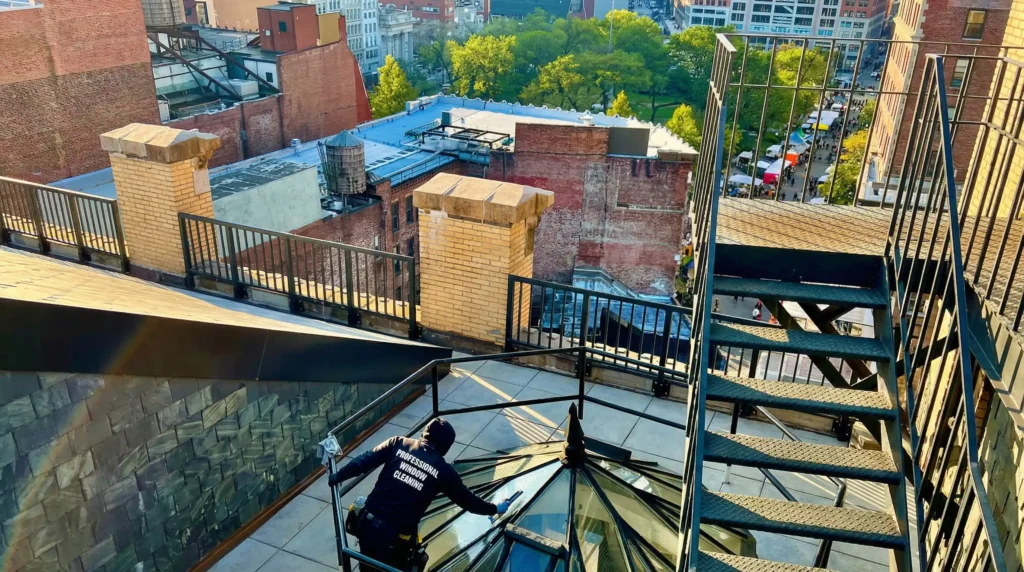
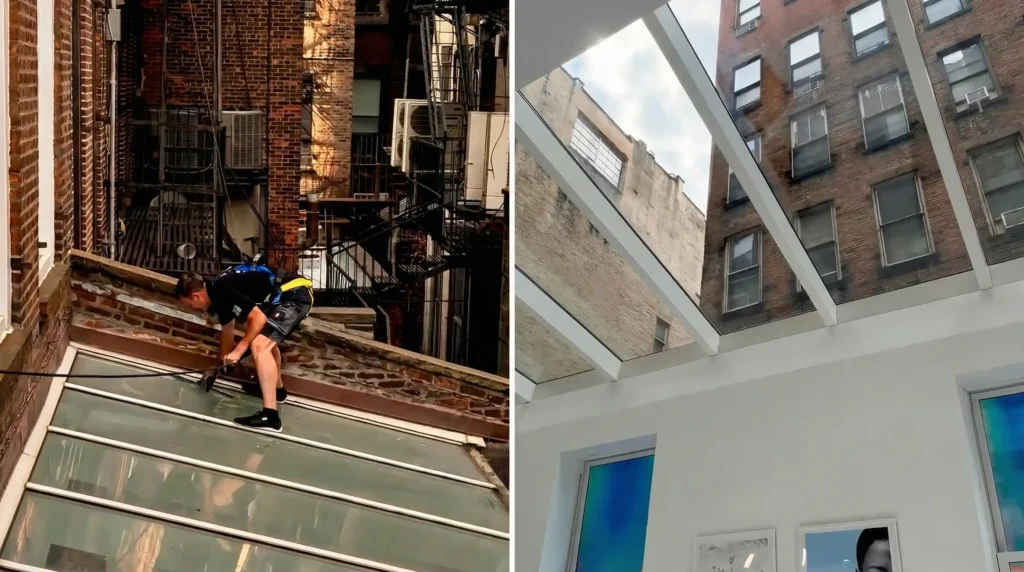
For a homeowner standing on a flat roof in Harlem, leaning over a skylight with a mop and a bucket of soapy water, none of those protections are in place. One slip on a wet surface, one gust of wind, one moment of lost balance while looking upward – and the consequences can be catastrophic. This is exactly why professional skylight cleaning exists as a dedicated service. Professionals carry harness systems, understand weight distribution around glass panels, and know how to position themselves without ever stepping on or near the skylight surface.
What Professional Rooftop Skylight Cleaning Looks Like
A professional skylight cleaning service is not just someone with a ladder and a spray bottle. The process typically follows a specific sequence designed to protect both the glass and the worker.
The exterior cleaning begins with a thorough rinse to remove loose debris – leaves, bird droppings, and grit that would scratch the surface if rubbed in dry. Technicians then apply an environmentally safe cleaning solution with a soft scrubber, working from the highest point downward to prevent dirty water from dripping onto already-cleaned areas. An abrasive pad handles stubborn contaminants like dried bird droppings or tree sap. The final step is a squeegee pass followed by a detailed inspection of seals, flashing, and the surrounding roof membrane.
Many professional crews now use water-fed pole systems that deliver purified water through telescoping poles with attached brushes. This method eliminates the need for anyone to stand directly on the roof in some cases, reducing risk dramatically while delivering streak-free results.
Big Apple Window Cleaning provides rooftop skylight cleaning across all five boroughs, combining OSHA-compliant safety protocols with equipment designed for the unique challenges of New York rooftops – from narrow brownstone access points to high-rise terraces.
Interior cleaning matters too. Dust, cobwebs, and cooking residue accumulate on the inside surface over time. Technicians use extension poles with microfiber cloths to clean the interior glass without the risk of ladder work, and they protect floors and furniture with drop cloths before starting.
Seasonal Schedule for New York Residents
- Early spring (March – April): First cleaning of the year. Winter leaves behind salt residue, grime from freeze-thaw cycles, and debris that may have accumulated under snow. This is also the best time to inspect seals and flashing after months of thermal stress.
- Late spring (May – June): Pollen season peaks. A quick rinse or light cleaning prevents pollen from bonding to the glass.
- Early fall (September – October): Second major cleaning. Removes summer buildup – UV-baked pollution, dried bird droppings, and insect residue. Clear drainage channels before leaf season starts.
- Late fall (November): Final inspection before winter. Ensure seals are intact and flashing is secure before freeze-thaw cycles begin again.
Streets Where Rooftop Skylight Cleaning Is Most in Demand
Skylights are especially common on brownstones and townhouses throughout New York. Based on the density of residential properties with rooftop skylights, the following streets consistently see high demand for glass roof cleaning and skylight maintenance:
- Garfield Place and President Street in Park Slope, Brooklyn
- Garden Place and Strong Place in Brooklyn Heights
- Carlton Avenue in Fort Greene
- St. Marks Avenue in Crown Heights
- Convent Avenue in Hamilton Heights, Manhattan
- Strivers’ Row (West 138th and 139th Streets) in Harlem
- West 10th and West 11th Streets in Greenwich Village
- East 62nd through East 66th Streets on the Upper East Side
These streets are lined with well-maintained historic townhouses where original stairway skylights and modern roof lantern installations are a defining architectural feature.
When Cleaning Will Not Solve the Problem
Sometimes a dirty-looking skylight is actually a damaged one. If you notice any of the following, rooftop skylight cleaning alone will not help – and you should call a professional for an inspection rather than a cleaning:
- Fog or condensation trapped between double-pane glass layers, which signals a failed seal in the insulated glass unit
- Persistent yellowing on acrylic skylights that does not improve with cleaning, indicating UV degradation
- Visible cracks in the glass or the frame
- Water stains or mold on the ceiling directly below the skylight
- Noticeable drafts near the skylight, even when it is fully closed
A skylight that has reached this stage may need resealing, reflashing, or full replacement. The average cost of professional skylight repair ranges from $100 to $650, while a full replacement runs between $800 and $2,400 depending on the type and accessibility. Catching these problems early during routine skylight window cleaning appointments can prevent far more expensive damage to ceilings, insulation, and interior finishes.
Rooftop skylight cleaning is not a weekend chore you should attempt with a garden hose and a prayer. In a city where rooftops are exposed to aggressive urban pollution, where building codes impose specific requirements on glazing materials, and where a single misstep on a wet roof can lead to a fatal fall, this is a job that demands professional equipment and training. Keep your skylights on a regular maintenance schedule, know what type of glass you have, and let the people with the right tools and safety gear handle the work that happens above your ceiling.
FURTHER READING

Article by Dayne Watkins


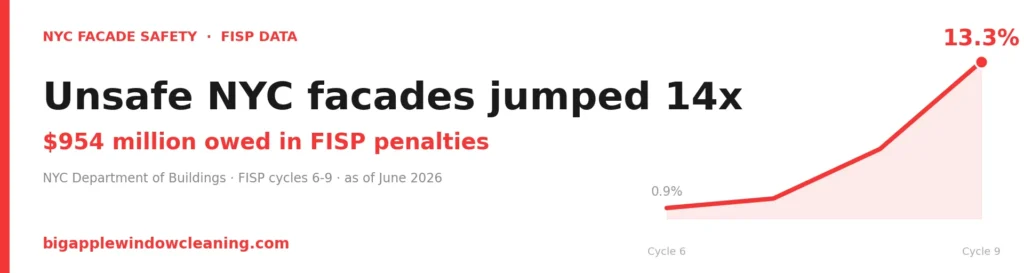
Unsafe NYC Facades Jumped 14x. The $954 Million Reason Owners Hide Them Instead of Fixing Them
On May 16, 1979, a 17-year-old Barnard student named Grace Gold was walking near Broadway and 115th Street when a piece of masonry broke loose from the eighth floor of a Columbia-owned building and killed her. Her death produced Local Law 10 of 1980, the first law in New York City requiring periodic facade inspections […]
Explore more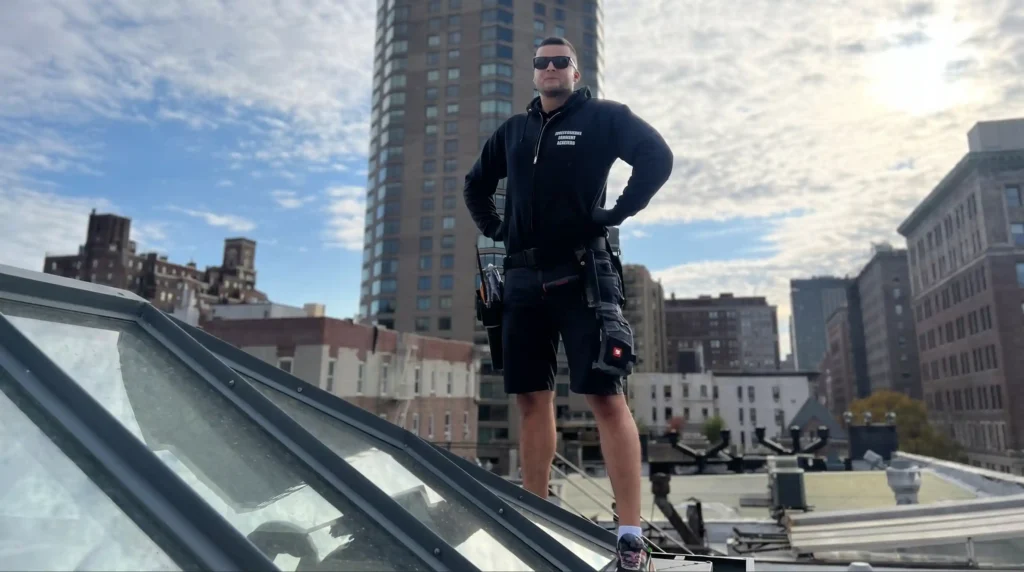
Roof Lantern Cleaning: A Professional Guide for New York Homeowners
Your roof lantern was supposed to flood the room with light. Instead, it is flooding the room with guilt every time you look up and see a layer of grime that could double as modern art. If you live in Brooklyn or Manhattan, you already know that city air does not play fair with glass […]
Explore more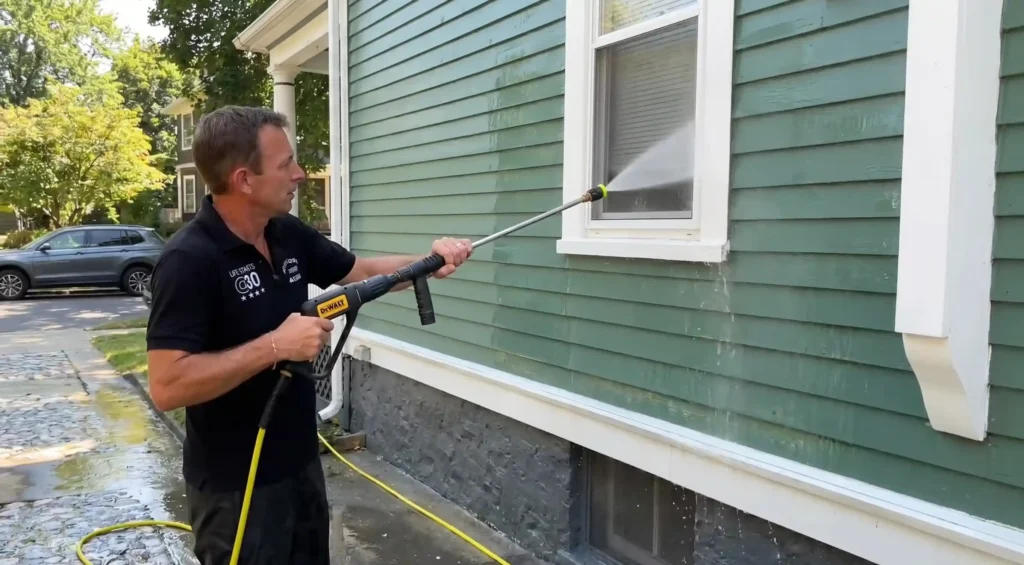
House Facade Cleaning: A No-Nonsense Guide for Homeowners Who’d Rather Not Watch Their Walls Crumble
Your home’s facade does a thankless job. Day after day, it stands between your family and everything the urban environment throws at it – diesel exhaust from delivery trucks, pigeon droppings with the pH of battery acid, mysterious black streaks that seem to appear overnight, and that persistent green fuzz on the north-facing wall that […]
Explore more