
Vinyl Replacement Windows in NYC: What Every Homeowner Should Know Before Calling a Contractor
Contents
- Why Vinyl? The Short Version
- Pocket Replacement vs. Full-Frame: The Decision Most People Get Wrong
- What It Costs: Real NYC Numbers
- The NYC Rules Nobody Mentions Until It's Too Late
- Co-ops and Condos: Board Approval Is Not Optional
- Landmark Buildings and Historic Districts: The LPC Factor
- How to Choose the Best Vinyl Windows for NYC
- A Special Case: Replacement Vinyl for Sunroom Windows
- Practical Timeline: What to Expect
DO YOU HAVE AN URGENT NEED?
Our fast response service can fix your urgent problem. We have teams ready for action.
AND GET A FREE QUOTE
Get monthly window insight
You’ve noticed the drafts. The heating bill crept up again this winter. Or maybe the double-hung window in the living room has started fighting you every time you try to open it. If any of that sounds familiar, you’re not alone – replacing windows is one of the most common home improvement projects in New York City, and for good reason. But doing it right here takes more than just picking a product off a shelf. New York is a city of co-ops, landmarked brownstones, walk-up apartments, and waterfront homes – and each of those comes with its own set of rules, trade-offs, and costs.
This guide cuts through the noise and gives you the real story on vinyl replacement windows in NYC: what they are, why they’ve become the go-to choice for homeowners across the five boroughs, how much you should actually expect to pay, and what nobody tells you before you sign the contract.
If you’ve been searching for vinyl replacement windows and feel like every article gives you the same generic information, that’s because most of it is written for a national audience. This one is specific to New York City – the pricing, the regulations, the building types, and the decisions that separate a smooth project from a months-long headache.
Why Vinyl? The Short Version
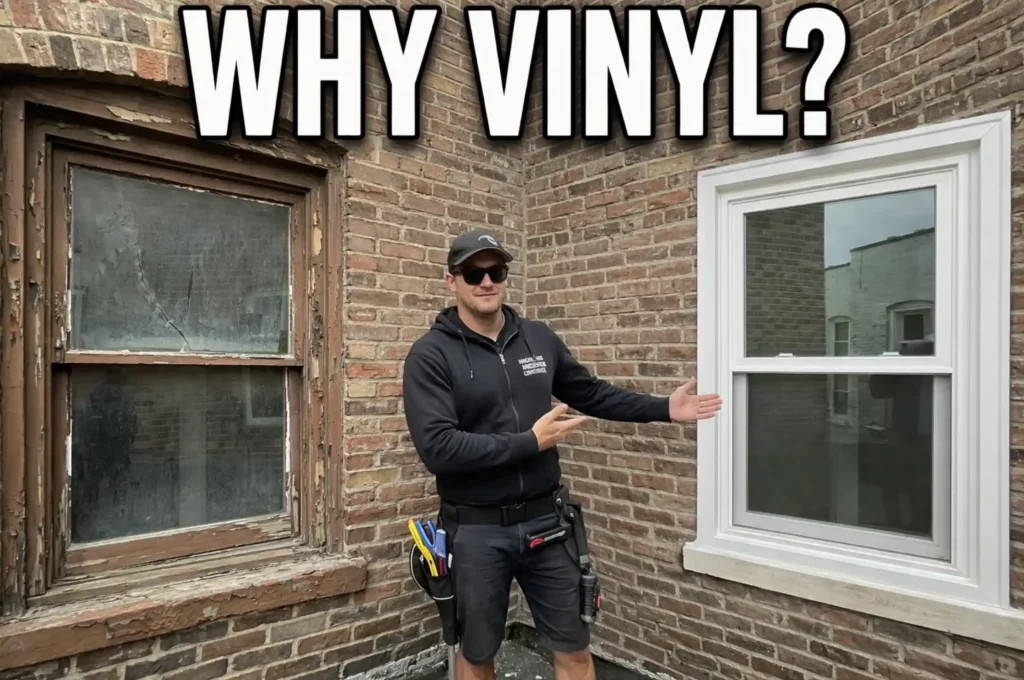
Vinyl replacement windows have dominated the U.S. market for decades, and in New York City, that lead only keeps growing. The core reasons are straightforward: they cost significantly less than wood or fiberglass alternatives, they require almost zero maintenance, and modern versions perform extremely well on energy efficiency.
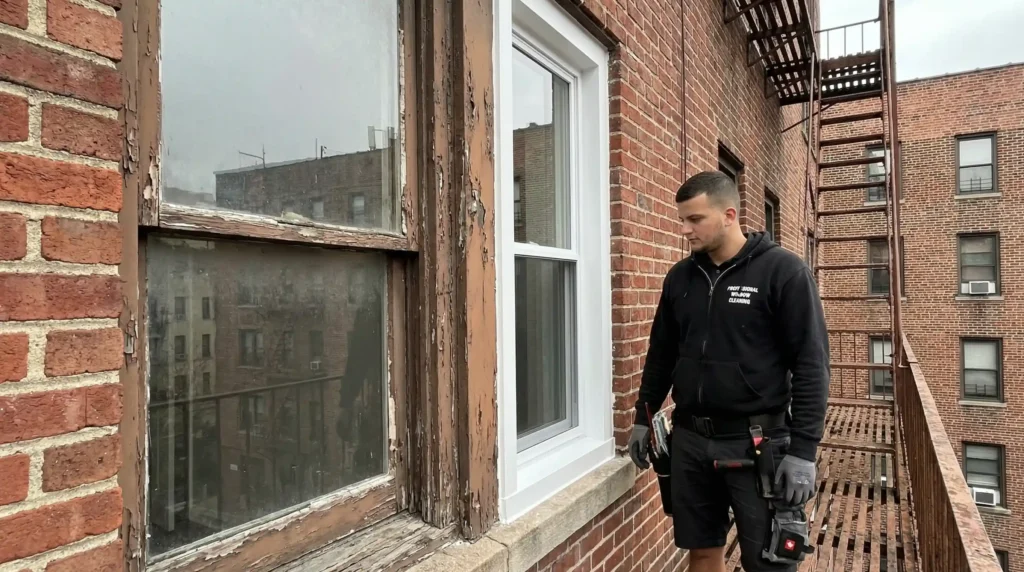
According to the U.S. Department of Energy, windows account for 25-30% of a home’s total heating and cooling energy loss. That number is especially painful if you’re still running original single-pane windows – which is surprisingly common in prewar co-ops, Brooklyn brownstones, and Queens row houses built between 1900 and 1960.
Wood windows do have their advocates, and in certain historic buildings they’re the only option available. But for the vast majority of NYC homeowners, vinyl replacement windows offer the best combination of cost, performance, and longevity. They don’t rot, don’t warp, never need repainting, and handle New York’s freeze-thaw cycles better than aluminum, which conducts cold straight into your apartment.
A quality double hung window vinyl installation in a prewar building can last 25-40 years. When you weigh that against wood windows that require repainting every five to seven years and are vulnerable to New York’s humidity, the math gets pretty clear.
Beyond the maintenance argument, vinyl replacement windows have a real impact on home value. The 2025 Cost vs. Value Report found that vinyl window projects recover up to 55.3% of project cost in New York City resale value – and nationally, a full replacement adds an average of $16,657 to a home’s selling price.
Pocket Replacement vs. Full-Frame: The Decision Most People Get Wrong
Before you start comparing products, you need to understand the single most important decision in any vinyl replacement windows project: pocket replacement or full-frame.
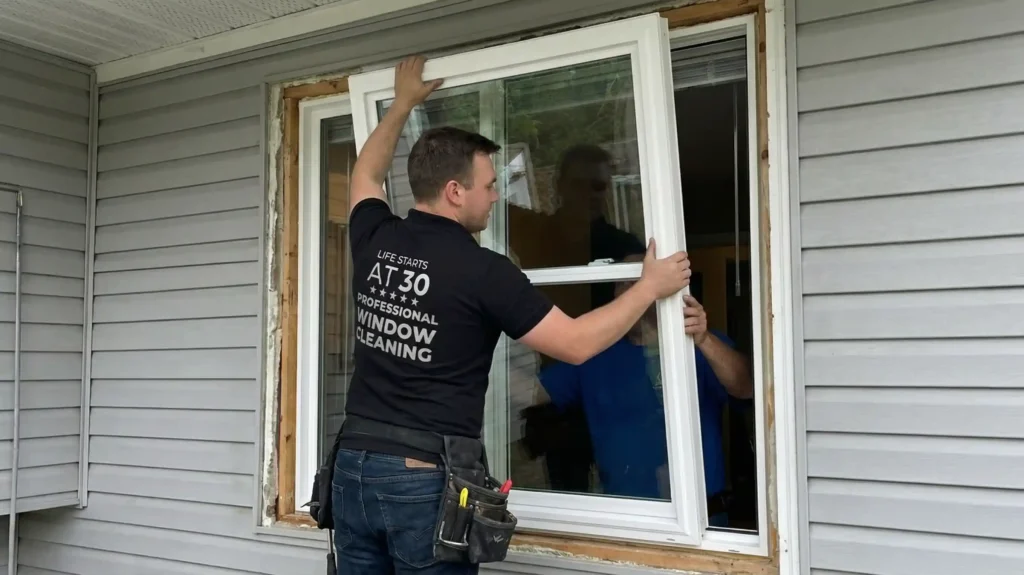
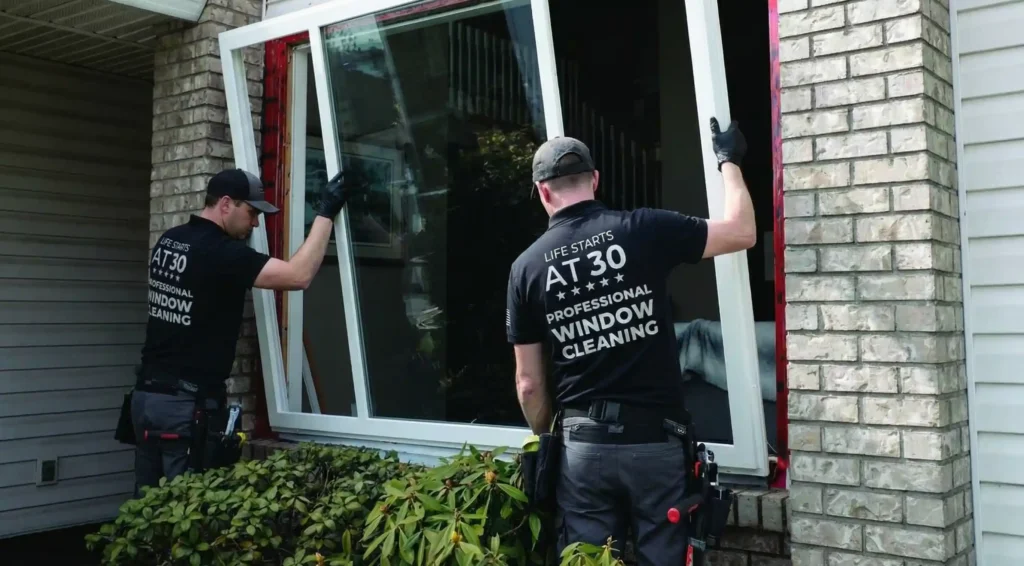
Pocket replacement (also called insert replacement) means a new window is fitted into your existing frame. The frame itself stays in place. This is the right call when your current frame is structurally sound – which is the case in the large majority of NYC prewar brownstones and mid-century co-ops. It’s faster, cleaner, less disruptive, and significantly cheaper, often saving $200–$400 per window compared to full-frame work.
Full-frame replacement means removing everything – the old window, the frame, the sill, and sometimes the interior trim. This is only necessary when the existing frame has rotted, been damaged by water intrusion, or is structurally compromised. Jumping to full-frame replacement when it isn’t needed is one of the most common ways NYC homeowners overpay.
Here’s the test: if your window frames are plumb, dry, and free of rot, start the conversation with pocket replacement. If a contractor immediately recommends full-frame without inspecting the frame, that’s a red flag worth questioning.
One more thing: pocket vinyl replacement windows are sized slightly smaller than the existing opening to fit within the frame – typically half an inch to an inch on each side. In rooms with smaller windows, ask the contractor to show you the net glass dimensions before you commit.
What It Costs: Real NYC Numbers
Vinyl window replacement cost in New York City varies more than most people expect, because local factors – building type, floor level, landmark status, and board approvals – all affect the final number in ways that national averages simply don’t capture.
Table 1: Vinyl Window Replacement Cost in NYC by Type (2025)
| Window Style | NYC Installed Cost (Per Window) | Notes |
| Vinyl double-hung (standard) | $500 – $700 | Most common in NYC prewar buildings |
| Vinyl casement | $525 – $740 | Popular in postwar co-ops and condos |
| Vinyl sliding | $450 – $650 | Common in Queens and Staten Island |
| Vinyl single-hung | $400 – $550 | Budget option, rear-facing elevations |
| Vinyl bay/bow | $1,500 – $2,200 | Brownstone parlor floors, custom work |
These are installed prices. Now add the NYC-specific cost factors that most guides skip entirely:
- Walk-up floors 4–6: add $250–$400 per window for equipment and labor
- Co-op alteration agreement processing: $500–$2,000 (building administration fee)
- LPC permit for landmark properties: additional documentation and often an architect’s fee
- Brownstone rear elevation: vinyl double-hung is the standard solution, $450–$650 range
One more cost factor that’s genuinely time-sensitive: the federal Energy Efficient Home Improvement Tax Credit under the Inflation Reduction Act offers 30% of window costs, up to $600, for qualifying ENERGY STAR-certified vinyl replacement windows. Following the passage of the One Big Beautiful Bill in July 2025, this credit now expires on December 31, 2025. If you’ve been putting off this project, that deadline is a real reason to move this year.
If you’re not sure whether your windows qualify, the team at Big Apple Window Cleaning can walk you through ENERGY STAR requirements during a free consultation – it’s a question that comes up on nearly every project we handle.
The NYC Rules Nobody Mentions Until It’s Too Late
This is where New York separates itself from everywhere else. Two sets of rules affect nearly every window replacement project in the city, and most homeowners don’t find out about them until they’re already mid-process.
Co-ops and Condos: Board Approval Is Not Optional
If you live in a co-op or condo – which describes the majority of NYC apartment dwellers – you cannot simply hire a contractor and start work. The process typically looks like this:
- Check your proprietary lease or condo declaration to confirm who is financially responsible for windows (it’s usually the unit owner)
- Contact the building’s managing agent to request the current alteration agreement
- Submit window specifications, material details, and a scope of work to the board for approval
- Obtain a permit from the NYC Department of Buildings
- Only then can work begin
Co-op boards are generally stricter than condo boards and may impose specific requirements on window style, color, or manufacturer to maintain a consistent facade. Some boards make window replacement a condition of apartment sales. Approval typically runs two weeks to two months – start the process before you order anything.
Landmark Buildings and Historic Districts: The LPC Factor
New York City has over 37,900 landmark properties across 150 historic districts – the largest municipal preservation program in the United States. If you own a home or apartment in Brooklyn Heights, Park Slope, Carroll Gardens, Greenwich Village, Harlem, or Cobble Hill, there’s a meaningful chance your building falls under Landmarks Preservation Commission (LPC) jurisdiction.
Any exterior alteration to a landmark building – including window replacement – requires an LPC permit before work begins. The good news: the LPC’s FasTrack program can process straightforward window replacements in as few as 10 business days if your application is complete when submitted.
What does the LPC actually care about? Primarily: glass-to-frame proportions, frame profile, and color. The commission does not automatically require wood windows – vinyl replacement windows can and do receive LPC approval when they accurately replicate the profile and appearance of the originals. The key is working with a contractor experienced in landmark submissions who knows how to prepare the documentation package correctly.
One practical note from NYC LPC’s own guidance: ordinary repairs like replacing broken glass or re-caulking do not require LPC approval. The permit requirement kicks in when you’re changing the window itself.
How to Choose the Best Vinyl Windows for NYC
Not all vinyl windows are created equal, and the differences matter more in New York’s climate than in warmer, milder parts of the country. NYC sits in the Northern climate zone – cold winters, hot humid summers, and a coastal environment that puts real stress on windows and frames.
Table 2: What to Look for in the Best Vinyl Windows for NYC Climate
| Feature | What to Look For | Why It Matters in NYC |
| U-factor | ≤ 0.27 (Northern zone) | Reduces heat loss through brutal winters |
| Solar Heat Gain Coefficient (SHGC) | 0.30 – 0.40 | Balances winter solar gain vs. summer heat |
| Frame construction | Multi-chamber vinyl, fusion-welded corners | Prevents air infiltration in high winds |
| Glass | Double-pane argon-filled with Low-E coating | Reduces heating/cooling costs year-round |
| Spacer system | Warm-edge (non-aluminum) | Reduces condensation and edge heat loss |
| STC rating | 30–35 minimum | Critical for street noise reduction in NYC |
| Warranty | Lifetime on frames and glass seal | Protects a 20–40 year investment |
The Sound Transmission Class (STC) rating is one spec that NYC buyers consistently undervalue – until they realize their new windows are still letting in every garbage truck and siren. A quality double hung window vinyl installation with STC 32–35 can reduce typical street noise by 25–30% compared to original single-pane frames. For anyone living within a block of a major avenue, that’s not a luxury feature. It’s a quality-of-life essential.
On brands: Harvey Windows has been manufacturing for New England and Mid-Atlantic climates since 1961 and is widely available through NYC-area distributors. Simonton’s Reflections Series earned ENERGY STAR Most Efficient recognition in 2024. Window World covers the budget end with solid ENERGY STAR compliance. For premium installations in landmark buildings, Andersen and Pella offer the profile flexibility LPC tends to approve.
Check the NFRC (National Fenestration Rating Council) label on any window you’re considering – it’s the independent, standardized rating that lets you actually compare U-factors and SHGC values across brands without relying on manufacturer marketing.
A Special Case: Replacement Vinyl for Sunroom Windows
If you have a sunroom, enclosed porch, or three-season room – more common in Staten Island, southern Queens, and parts of the Bronx than in Manhattan – the conversation around replacement vinyl for sunroom windows follows slightly different rules.
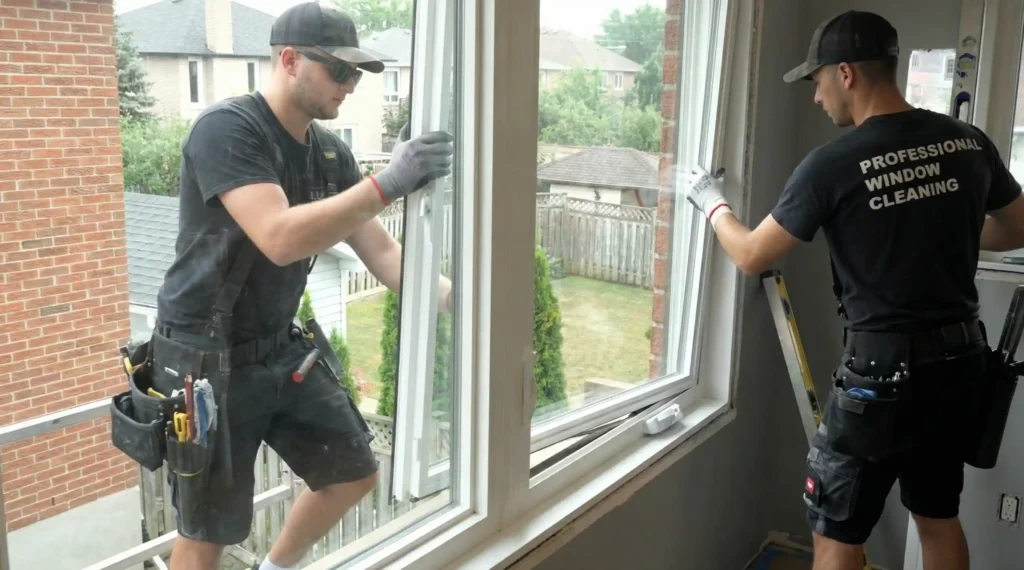
The first thing to clarify is what you actually have. Older sunrooms often used flexible clear vinyl panels in aluminum tracks rather than conventional glass windows. Replacement vinyl for sunroom windows in this context means replacing those flexible panels – not the frames themselves. It’s a much simpler and less expensive fix, and kits are widely available.
For a true four-season conversion, you’re looking at proper insulated glass units in vinyl or composite frames. For NYC’s climate, any sunroom you plan to use year-round needs double-pane glass with Low-E coating, casement or awning-style operable windows for tight winter seals, and UV-controlling glass on south-facing walls to prevent summer overheating.
Table 3: Sunroom Window Options by Season Use and Budget
| Sunroom Use | Recommended Window Type | Frame Material | Estimated Cost Per Opening |
| 3-season porch (spring–fall) | Vinyl slider or flexible panels | Vinyl / aluminum track | $300 – $600 |
| 4-season room (year-round) | Casement or double-hung, double-pane Low-E | Vinyl or composite | $550 – $850 |
| Year-round, high-end finish | Fixed + operable combo, triple-pane | Composite or wood-clad | $900 – $1,400 |
| Sunroom with partial LPC restrictions | Profile-matched vinyl or composite | Vinyl (LPC-approved profile) | $700 – $1,200 |
The golden rule for sunroom windows: match your glass performance to how you actually use the space. Overspending on triple-pane for a room you close up from November through March makes no financial sense. Underspending with single-pane on a room you want to enjoy in February does.
Practical Timeline: What to Expect
For a typical NYC window replacement – five to eight vinyl replacement windows in a co-op apartment outside a landmark district – allow 10-12 weeks from start to finish: two to three weeks to get quotes and submit the alteration agreement, four to eight weeks for board review and DOB permit, then three to six weeks for fabrication, and one to two days for installation.
For landmark properties, add the LPC review process – 10 business days minimum via FasTrack when your application is complete on submission.
Vinyl replacement windows are the practical choice for most New York City homeowners – more durable than aluminum, more affordable than wood, and capable of meaningfully improving comfort, noise levels, and energy costs in buildings that are 50 to 125 years old. The technology has genuinely improved, and the best vinyl windows today hold their own against wood on energy performance at a fraction of the price.
What sets a successful NYC window project apart from a frustrating one isn’t usually the product choice – it’s understanding the local rules before you start. Know whether your building requires board approval. Find out whether you’re in a landmark district before you pick a window style. Get your alteration agreement in hand before you place a custom order. And if you want to capture the federal tax credit, get moving before December 31st.
A final practical note: don’t measure for vinyl replacement windows yourself in an older NYC building. Prewar frames settle unevenly, and a window measuring 36 inches at the top may be 35.5 inches at the bottom. Custom vinyl replacement windows aren’t returnable once manufactured – always have your contractor take final measurements after approval is confirmed.
At Big Apple Window Cleaning, we’ve been working with New York homeowners on window replacement and installation across all five boroughs since 2008 – including in co-ops, landmarked brownstones, and high-rise buildings. If you’re trying to figure out where to start, or want an honest assessment of what your building’s specific requirements look like, we’re happy to walk through it with you.
The windows you put in today will last 30 years. It’s worth getting the details right.
FURTHER READING

Article by Dayne Watkins



Roof Lantern Cleaning: A Professional Guide for New York Homeowners
Roof Lantern Cleaning: A Professional Guide for New York Homeowners Your roof lantern was supposed to flood the room with light. Instead, it is flooding the room with guilt every time you look up and see a layer of grime that could double as modern art. If you live in Brooklyn or Manhattan, you already […]
Explore more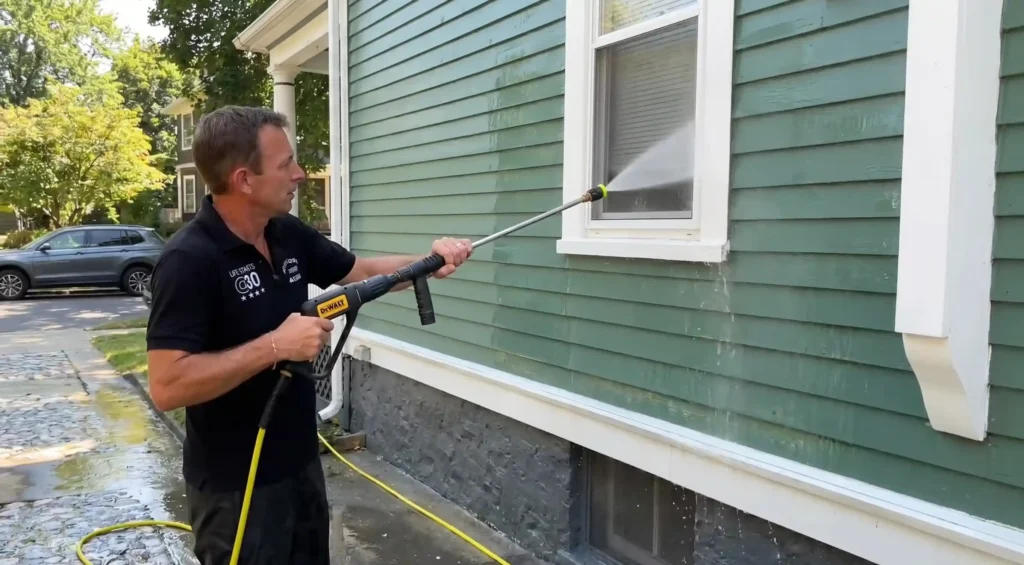
House Facade Cleaning: A No-Nonsense Guide for Homeowners Who’d Rather Not Watch Their Walls Crumble
Your home’s facade does a thankless job. Day after day, it stands between your family and everything the urban environment throws at it – diesel exhaust from delivery trucks, pigeon droppings with the pH of battery acid, mysterious black streaks that seem to appear overnight, and that persistent green fuzz on the north-facing wall that […]
Explore more
Commercial Facade Cleaning: What Every Building Owner in New York City Needs to Know
Your building talks about you before you ever open your mouth. A grimy exterior covered in soot, pigeon souvenirs, and mysterious streaks tells visitors, tenants, and potential buyers exactly one thing – nobody here cares. Research shows it takes roughly seven seconds to form a first impression, and in a city where commercial real estate […]
Explore more